Top Agencies Offering Specialised eCommerce SEO Packages

eCommerce is one of the most competitive spaces in digital marketing. Getting a product online is easy. Getting it found, clicked, and bought consistently is a different challenge entirely. That is where specialised eCommerce SEO packages come in.

These packages are designed to align with the needs of online stores, whether it is optimization of product pages or creating conversion-driven material, unlike generic SEO services.

Choosing the right agency can be the difference between a store that quietly underperforms and one that scales.

Several agencies have built strong expertise in delivering eCommerce-focused SEO solutions. However, choosing the best one becomes crucial. Here is a look at the agencies doing this well.

Top Agencies Offering eCommerce SEO Packages

1. OuterBox

OuterBox has been operating in the eCommerce business for nearly more than 20 years and they provide a category depth that generalist agencies can hardly keep pace with.

They operate on popular platforms such as Shopify, Magento, and WooCommerce, but primarily focus on the actual revenue, not only on rankings.

Their team integrates technical SEO with conversion rate optimization, which is why they may be a good solution to stores interested in growing based on actual business performance rather than vanity metrics.

2. Coalition Technologies

Coalition Technologies is data-driven in its response to eCommerce SEO and has a professional in-house team offering in-depth technical audit capabilities.

They have been engaged with clients in retail, fashion and consumer goods with case studies of consistent growth in organic revenue.

Their difference lies in the fact that they combine design and development with SEO. They can respond to technical findings quicker without having to consult another team. Good option to expand brands that require strategy and implementation in one roof.

3. EZ Rankings

EZ Rankings has earned a reputation as a trusted eCommerce SEO partner among businesses of all sizes, both growing D2C brands and large-scale online retailers.

Their eCommerce solutions include the entire spectrum of technical SEO and product page optimization, category architecture and AI-driven keyword strategies.

The reasons why EZ Rankings is a good option is that they have a foundation of deep expertise in SEO, transparent reporting, and a client-first model that aims at achieving revenue goals rather than merely rankings.

They not only introduce the strategic thinking, but also the implementation that the growth of eCommerce needs.

4. 1Digital Agency

1Digital Agency focuses entirely on eCommerce, which means every part of their service offering has been shaped around the needs of online stores.

They have deep platform expertise across Shopify, BigCommerce, and Magento, and their SEO work is closely tied to the technical realities of each platform.

Their approach emphasises long-term organic growth over quick fixes, with a content and link building strategy designed to build authority over time. A good fit for established eCommerce brands that want a focused, platform-savvy partner.

5. WebFX

WebFX is one of the major performance marketing agencies in the US, with a dedicated eCommerce SEO division that handles everything from keyword strategy to product feed optimization.

They are particularly known for their proprietary reporting platform, which gives clients clear visibility into traffic, leads, and revenue attribution.

For mid-to-large eCommerce businesses that want detailed reporting alongside solid SEO execution, WebFX offers a well-structured service with a track record across multiple industries and store sizes.

Ready to grow your eCommerce store?

Still looking for the right SEO partner?
Don’t wait — explore specialised eCommerce packages built for real revenue growth.

Explore eCommerce Packages

Key Features to Look for in Top eCommerce Agencies

1. Proven Experience in eCommerce Industries

Generic SEO experience does not always translate to eCommerce results. The best agencies have worked across product-heavy websites, understand the complexity of large catalogues, and know how search behaviour differs for transactional queries.

Look for agencies that have handled eCommerce clients specifically, across multiple verticals if possible. An agency that has only ever worked with service businesses will approach your store with the wrong instincts, no matter how strong their general SEO knowledge is.

2. Case Studies Showing Sales Growth, Not Just Traffic

Traffic is easy to inflate. Sales are not. When reviewing an agency’s track record, look past the headline numbers and ask what actually changed for the business.

Top eCommerce SEO agencies will deliver their results as revenue growth, increase in conversion rate and ROI.

If a case study only talks about rankings and sessions without connecting those to commercial outcomes, that is a signal worth noting. Strong agencies are confident talking about the numbers that actually matter.

3. Integration of AI-Driven SEO Strategies

The agencies staying ahead right now are the ones integrating AI into their workflow in a meaningful way. That includes using AI for keyword clustering, content gap analysis, search intent mapping, and predictive performance modelling.

It does not mean replacing human judgment, it means making faster and better decisions with more data.

For eCommerce businesses operating large catalogues, AI-assisted SEO can make the difference between staying on top of product trends and always being a step behind. Ask any agency you are considering how they are using AI in their day-to-day work.

4. Expertise in Marketplace SEO

An agency that only optimizes for Google is missing a significant part of the picture. Find partners who have practical experience in marketplace SEO, such as product listing optimization, A+ content strategy, and platform-specific algorithms.

Marketplace and webpage SEO demand a different set of skills and thinking and the most optimal agencies are conversant with both. While hiring an eCommerce agency, it’s important to consider their expertise in marketplace SEO. It will also make you have an advantage over competitors.

5. Transparent Reporting and ROI Tracking

You should never have to guess whether your SEO investment is working. Best eCommerce agencies deliver transparent and frequent reporting that correlates activity to the results, be it organic revenue, assisted conversions, or category level performance.

Transparency also means candid discussions when things are not going on and readiness to change strategy upon the information.

Whenever an agency is lacking in terms of the way they quantify success or unwilling to distribute performance information in straightforward terms, it is a red flag.

What Makes eCommerce SEO Packages Different?

1. Product Page Optimization

Product pages carry more pressure than most people realize. They are where browsing turns into buying. A flat title or a rushed description can kill that moment. The better ones feel natural, almost like someone is walking you through the product.

2. Category and Site Architecture Optimization

A store can look good on the surface and still feel confusing once you start clicking around. That usually comes down to structure. When categories are off, good products get buried without anyone noticing. Fixing that is less about design and more about logic.

3. Platform-Specific SEO

Not all platforms behave the same, and that catches a lot of teams off guard. What works smoothly on Shopify might lag on Magento. WooCommerce has its own quirks as well. Knowing these differences saves a lot of trial and error.

4. Conversion-Focused Content Strategy

People don’t always buy on the first visit. Sometimes they compare, sometimes they hesitate. That is where content steps in.

A simple guide, a clear comparison, or even a well-written landing page can tip the balance. It does not need to feel heavy or over-explained. Just enough to help someone decide.

5. Technical SEO for eCommerce

The technical side stays out of sight, but it has a strong influence on performance. Slow pages, crawl issues, duplicate URLs from filters, they build up over time. You might not notice it day to day, but the impact shows in rankings.

6. Structured Data and Schema

Search results are crowded. Anything that helps a listing stand out matters. Structured data does exactly that.

It adds small but useful details like price, reviews, and stock status. Those bits of information can be the reason someone clicks instead of scrolling past.

7. AI and Emerging Search

Search is starting to feel different. People ask questions out loud now. AI tools are shaping how results are shown. It is still evolving, but the shift is real. Stores that pay attention early tend to stay ahead, while others end up catching up later.

Why Specialized eCommerce Packages Matter

A standard SEO package might look fine on paper. Apply it to an eCommerce store, though, and the cracks start to show. It covers the surface. The real work sits underneath.

Running an eCommerce site is messy in its own way. You are not dealing with a handful of pages. It is hundreds, sometimes thousands of products, each one competing for attention. Some sell all year. Others spike for a few weeks and disappear again.

Search behaviour shifts with that. Pricing shifts too. One competitor tweaks an offer and suddenly the keywords you relied on don’t convert the same way.

Then there is the platform itself. Not every system gives you full control. Small limitations stack up. Over time, they affect how far your SEO can go.

That is where specialised eCommerce packages come in. They are built for this kind of environment. More attention to technical detail. More focus on product-level performance. Less guesswork, more alignment with actual revenue.

For a business that wants steady organic growth, this is not some added luxury. It is simply how things need to be done.

Conclusion

eCommerce SEO is not a one-size-fits-all service, and the agencies that treat it as such hardly deliver the results businesses need.

The right partner brings platform knowledge, business growth, and a genuine focus on revenue over vanity metrics. Whether you are launching a new store or scaling an existing one, working with a specialised agency gives you a real advantage in a competitive market. Choose the right eCommerce package from a reliable company to drive significant growth.

Posted in SEO

Advanced SEO Strategy for 2026 – Latest SEO Tips

Let’s explore the top 10 advanced SEO strategies for 2026 that you should try to gain an edge on and outperform your competitors. Also, check out the latest SEO tips & forecasts that you should work on.

  1. AI-Optimized Content: Focus on Quality, Not Just Quantity

In 2026, AI-generated content will continue to shape the SEO landscape, but the emphasis will shift toward quality over quantity. Google’s algorithms are becoming increasingly advanced, with the ability to evaluate whether the content truly adds value for users. As a result, it’s no longer sufficient to churn out large volumes of content simply. Instead, the focus will be on crafting valuable, insightful, and engaging content that aligns with user needs.

One key aspect of high-quality AI content is ensuring it answers specific questions and deeply addresses user intent. AI tools can analyze search queries, extract valuable insights, and help generate content that directly responds to what users are looking for. However, relying solely on AI to generate content can result in generic or impersonal writing. To avoid this, it’s essential to humanize the content by refining it for clarity, authenticity, and expertise.

Incorporating rich media such as videos, images, and infographics can further enhance the quality of AI-generated content. Visual elements make content more engaging and shareable while also improving user experience and boosting time-on-page—a key metric for SEO. Combining AI’s ability to generate content at scale with the strategic use of multimedia allows you to create informative and highly engaging content for users.

Tip: Use AI tools for research, drafting, and optimization, but always ensure that the final output aligns with genuine expertise and addresses the user’s search intent. Additionally, focus on continuously updating and refining your content, as keeping it fresh and relevant will ensure its long-term effectiveness in SEO rankings. The key to success in AI-optimized content is balancing automation with authenticity.

  1. User Experience (UX) Optimization and Core Web Vitals

As search engine algorithms continue to evolve, user experience (UX) has become a critical factor in SEO services. In 2026, optimizing for UX will be more important than ever, especially with Google’s Core Web Vitals being a key ranking factor. These metrics evaluate how well a webpage provides a smooth and user-friendly experience. Google has clarified that websites offering a better UX are more likely to perform well on search engine results pages (SERPs).

Core Web Vitals focus on several key aspects of page performance, with three primary metrics being of particular importance:

  • Faster page loading speeds – Pages that load quickly provide a better user experience, reducing bounce rates and improving engagement. Optimizing for quick load times should be a top priority in 2026. Slow-loading pages not only frustrate users but also negatively affect rankings.
  • Visual stability – This metric measures how stable the visual elements of a page are as it loads. Unpredictable layout shifts can make navigating the page difficult, leading to a poor experience. Avoiding unexpected shifts of images, text, or buttons is key to maintaining a smooth interaction.
  • Mobile-first design – With the increasing dominance of mobile users, ensuring your website is optimized for mobile devices is critical. A mobile-first design means your site is responsive, adjusts fluidly to different screen sizes, and remains easy to navigate on smartphones and tablets.

As we move into 2026, websites prioritizing a seamless and enjoyable user experience will be rewarded with higher rankings, improved visibility, and increased traffic.

Tip: Regularly test your website’s Core Web Vitals using tools like Google PageSpeed Insights and ensure that mobile optimization is at the forefront of your SEO strategy. Prioritizing UX improvements as part of your ongoing SEO efforts will improve rankings and lead to better user engagement and conversion rates.

  1. Optimizing for Search Intent Over Keywords

As SEO evolves in 2026, the focus shifts from traditional keyword optimization to understanding and prioritizing search intent. This marks a departure from the days of keyword stuffing, where the goal was to target specific words. Today, Google’s algorithms are increasingly sophisticated in interpreting natural language queries and understanding the context behind a search. As a result, SEO strategies in 2026 will require a deeper understanding of what users are genuinely searching for and why they are conducting a search in the first place.

Search intent can be broadly categorized into four main types:

  • Informational Intent – Users are seeking information or answers to questions. This could be through how-to guides, blog posts, or articles that provide value and insights. For example, “How to grow tomatoes in winter” would be an informational query.
  • Navigational Intent – The user is looking for a specific website or page. An example could be a search like “Facebook login,” where the user intends to visit the site.
  • Transactional Intent – Users are ready to purchase or take other action. For example, “buy running shoes online” indicates transactional intent.
  • Commercial Investigation Intent – Users are looking to compare options before purchasing. A query like “best smartphones for 2026” shows that the user is still researching.

To optimize for search intent, create content that answers specific queries and aligns with user needs. Your content should address the various stages of the user journey, from the research phase (informational) to the decision phase (transactional). Structuring your content based on these intents can significantly improve your relevance in search results.

Tip: To implement this effectively, invest time in in-depth research to understand the specific intent behind your audience’s search queries. Categorize your content based on these intents and craft your messaging and structure to match users’ needs at each stage of their journey. By focusing on intent over keywords, you will create content that ranks well and delivers value to your audience.

  1. Zero-Click Search Results and Featured Snippets

In 2026, zero-click search results will continue gaining prominence, and capturing a featured snippet (often called “position zero”) will be more critical than ever. Zero-click search results provide answers directly on the search engine results page (SERP) without users needing to click on a link. These snippets typically appear at the top of the SERP, offering users instant access to the information they seek. This can significantly improve your visibility and drive more traffic to your website.

The competition for featured snippets will intensify as more businesses recognize their importance in user engagement and SEO performance. Featured snippets are typically pulled from high-quality content that directly answers specific questions. Your content must be structured clearly and effectively to enhance your chances of being selected for a featured snippet. This can be achieved by incorporating well-organized headings, bullet points, and tables to highlight key information. Google’s algorithm prefers structured data that is easy to read and understand, making it more likely to feature in these high-visibility areas.

Another essential aspect of optimizing for featured snippets is answering questions concisely and providing information directly in the first few lines of content, typically between 40 and 60 words. When you provide clear, direct answers right at the start, Google is more likely to feature your content as a snippet for relevant queries.

Tip: Regularly audit your existing pages to identify opportunities for featured snippets, especially for high-volume search queries that match the questions your audience asks. Revise your content to ensure it is brief, direct, and structured for easy extraction. By optimizing your content with these practices, you increase your chances of appearing in zero-click results, driving more visibility and attracting a larger audience.

  1. The Rise of Voice and Visual Search

As technology evolves, voice and visual search are becoming increasingly influential in shaping SEO strategies for 2026 and beyond. With the rise of intelligent assistants like Siri, Alexa, and Google Assistant, voice search is quickly becoming a primary method for users to interact with search engines. This shift requires businesses to adapt their content to be more conversational and tailored to how people speak rather than type.

Using conversational phrases and question-based queries is crucial to optimize for voice search. People typically use voice commands more naturally and casually when searching, asking questions like “What’s the best pizza near me?” or “How can I improve my SEO ranking?” Optimizing your content with long-tail keywords that mirror these spoken language patterns will improve the chances of selecting your content for voice search results. Consider how your audience phrases questions or searches in everyday conversation and adjust your content accordingly.

In addition to voice search, visual search is another rapidly growing trend. Tools like Google Lens allow users to search by images rather than text. This is particularly useful for e-commerce, fashion, real estate, and any industry where images significantly influence user decision-making. As visual search expands, ensuring your photos are optimized for search engines is essential.

One key strategy for optimizing visual search is ensuring your images have descriptive alt text. This helps search engines understand the content of the images and improves visibility in search results. Additionally, schema markup for products, services, or other visual assets provides structured data, making it easier for search engines to categorize and index images.

Tip: To stay ahead of the curve, start preparing your content focusing on natural language for voice search and optimize your images with detailed descriptions and schema markup to capture the growing visual search trend. By doing so, you’ll improve your chances of ranking well in both voice and image-based queries.

  1. Topical Authority & Content Clusters

Building topical authority is a powerful SEO strategy that helps establish your website as an expert in a specific field. To achieve this, you must create content that covers a broad range of relevant topics in-depth rather than focusing on isolated or superficial content. A content cluster approach is one of the most effective ways to build topical authority. This involves grouping related content into structured clusters around a central pillar page.

The pillar page is a comprehensive, high-level resource that covers a broad topic in your niche. It is the cornerstone of your content strategy, offering valuable information and linking to more specific, supporting blog posts that dive deeper into related subtopics.

Google will continue to prioritize websites offering strong, comprehensive subject coverage. Websites that provide a well-organized cluster of content around a specific topic will be rewarded with higher rankings, as they are seen as authoritative and trustworthy resources.

Tip: Organize your website content around core topics and create a logical link structure between your pillar page and supporting content. This will help establish your site as an industry authority, improving user experience and SEO performance.

  1. Google’s E-E-A-T

Google’s latest E-E-A-T updates—for Experience, Expertise, Authoritativeness, and Trustworthiness—have shifted the focus to content demonstrating real-world experience and expertise. This evolution highlights the importance of showcasing content created by credible voices with authentic, firsthand knowledge. In 2026, Google will prioritize content produced by those with direct experience in the subject matter, ensuring that users receive valuable insights backed by expertise.

To align with these updates, your content must showcase personal stories, case studies, and data-backed insights. This approach adds credibility and engages readers by providing practical, actionable information. For example, demonstrate how they work in real-life scenarios rather than just explaining theoretical concepts.

Furthermore, building trust is crucial. Ensure that your content includes clear author qualifications and links to authoritative sources. Disclosing the expertise behind the content and citing reliable references enhances your site’s credibility in Google’s eyes.

Tip: Regularly update your content with fresh insights and ensure all contributors are credible experts in your field. Doing so will build trust with users and search engines, improving your rankings and strengthening your online authority.

  1. AI-Powered Analytics and Automation Tools

As artificial intelligence advances, AI-powered analytics and automation tools transform the SEO landscape. In 2026, tools like Google Analytics 4 (GA4) and other AI-driven platforms will become essential for gaining deeper insights into user behavior and site performance. These tools can track user engagement, behavior patterns, and conversion rates more effectively than traditional methods, allowing businesses to make data-driven decisions that lead to optimized performance.

One of the significant benefits of AI-powered tools is their ability to provide real-time insights. These tools can automatically track changes in user behavior, segment data by demographics or interests, and help identify areas of your website that need attention. For example, AI can predict trends in user activity and offer recommendations to improve your content strategy based on historical data and user preferences. This allows marketers to personalize content and offers, creating a better user experience while improving conversion rates.

Additionally, automation can significantly reduce the time spent on repetitive tasks. SEO teams can leverage AI tools to automate keyword tracking, generate ranking reports, and optimize content for specific queries. This leaves more time for creative tasks, strategy development, and content refinement. AI tools can also aid in automating content generation, helping businesses maintain consistency while ensuring their content remains relevant and optimized for search engines.

Tip: Investing in AI-powered SEO tools is crucial for gaining a competitive edge in 2026. Using these tools, you can better analyze user behavior and automate SEO workflows, streamlining site optimization processes and making your SEO efforts more efficient and effective.

  1. Video SEO: Capitalizing on the Power of Multimedia

In 2026, video content will continue to dominate the digital landscape, with platforms like YouTube, TikTok, and Vimeo becoming increasingly crucial for driving traffic and boosting engagement. Video content has proven to be one of the most engaging forms of media, and search engines are beginning to place greater emphasis on video SEO to improve visibility in search results. Optimizing videos for SEO is crucial for leveraging their potential as a traffic generation tool.

To optimize your videos for SEO, focus on several key factors:

  • Titles, Descriptions, and Tags: Like traditional SEO, optimizing your video titles, descriptions, and tags with relevant keywords is crucial for improving discoverability. Use natural, conversational language that reflects common search queries while incorporating essential keywords.
  • Embedding Videos on Your Website: Embedding videos directly on your website can enhance user engagement and contribute to better rankings. It’s essential that your videos are relevant to the content on the page and that they improve the user’s experience.
  • Video Length and Quality: Longer videos with in-depth content can rank better, especially keeping viewers engaged. However, ensuring high-quality visuals and audio is key to maintaining a positive user experience.

The forecast for video SEO is clear: video content will help capture higher engagement rates, making it a significant factor in SEO rankings. Engaged viewers tend to stay longer on your site, reducing bounce rates and signaling to search engines that your content is valuable. Additionally, platforms like YouTube rank videos based on their relevance and user engagement, and integrating videos with blog posts, product pages, and landing pages can amplify their effectiveness.

Tip: Strategically use video within your content marketing strategy by embedding videos in blog posts, product pages, and landing pages. Not only will this boost user engagement and provide an interactive experience, but it will also help improve your rankings across search engines by leveraging the power of multimedia.

  1. Local SEO and Geolocation Optimization

In 2026, local SEO is becoming an even more critical aspect of digital marketing for businesses targeting local audiences. With the increasing use of mobile devices and location-based services, search engines prioritize geolocation in search rankings, making it essential for companies to focus on local SEO strategies.

To optimize your Google My Business (GMB) profile, ensure it is fully completed with accurate business information, including your business name, address, phone number, website, and operating hours. Regularly update your GMB profile to reflect changes and encourage positive reviews from satisfied customers, which can directly impact your local rankings. Additionally, building local citations by getting listed in local directories like Yelp or Yellow Pages helps increase your online visibility.

Using location-based keywords is also crucial for ranking higher in regional search queries. Include these keywords in your website content, meta descriptions, and alt texts to increase relevance for users searching in your area.

Tip: Besides these strategies, focus on building local backlinks from community websites, local newspapers, and business partnerships. Also, ensure that your NAP (Name, Address, Phone Number) details are consistent across all online platforms. This will boost your credibility and local rankings, making your business more discoverable to nearby customers.

Final Thoughts

SEO in 2026 will be characterized by a significant shift towards deeper integration between AI, user experience (UX), and user-first content strategies. As search engines evolve, the importance of providing value to users will outweigh traditional SEO practices like keyword stuffing or basic optimization. To stay competitive, businesses and marketers must embrace a more holistic approach that prioritizes technological advancements and user needs.

AI will play a pivotal role in automating repetitive tasks and providing data-driven insights that can refine SEO strategies. From AI-generated content to advanced analytics, businesses will need to harness the power of these tools to stay ahead of the curve. However, it’s important to remember that while AI can help with content creation and optimization, the human touch is still crucial for ensuring authenticity and quality. Content must be user-centric, addressing the audience’s actual needs and search intent, not just focusing on SEO metrics.

Finally, staying ahead of emerging technologies like voice search, visual search, and video SEO will be key to driving traffic and improving engagement. Incorporating multimedia and leveraging AI-powered tools will help maintain a competitive advantage.

Top SEO Tools You Must Have in 2026

Keeping up with SEO can feel like chasing something that keeps shifting just out of reach. Everything is working fine in one moment, and rankings drop or traffic slows down in the next. That’s where the right tools come in. They don’t do the work for you but make it easier to spot problems, track progress, and make better decisions.

In 2026, SEO isn’t just about keywords and backlinks—it’s about smart data, clear reporting, and tools that save time without cutting corners. Whether managing one site or handling SEO for several clients, having the right tools in your corner makes the work less overwhelming and much more effective.

This list includes the top 10 SEO tools we rely on in 2026. They’re reliable, user-friendly, and most importantly, they help get real results.

1. Ahrefs

Ahrefs is one of the most reliable and powerful tools in the SEO world, and it is widely trusted for its in-depth research capabilities. While its keyword tracking features are robust, its backlink checker is the real star. With Ahrefs, you can monitor who is linking to your site, track backlinks to competitors’ websites, and discover new opportunities you may have missed. This makes it an invaluable tool for improving your site’s backlink profile and building more authority in your niche.

What sets Ahrefs apart is its speed and ease of use. The tool is fast, and you can easily share detailed reports with clients, team members, or stakeholders. Whether you’re fixing broken links, conducting a competitor analysis, or planning new content, Ahrefs offers insights that make those processes more efficient and effective. Whether you’re focusing on backlinks, content optimization, or site audits, Ahrefs delivers reliable information to guide your SEO strategy.

2. SEMrush

SEMrush is a feature-rich SEO tool for keyword research, content planning, and competitive analysis. It provides a comprehensive view of your website’s performance and helps you understand competitors’ tactics to drive traffic. SEMrush shows you which keywords bring visitors to your site, how your competitors rank for those keywords, and even highlights areas where you can improve your strategy.

SEMrush is a comprehensive tool that offers a wide range of features to help improve your SEO strategy. Its combination of keyword research, competitor analysis, and content optimization tools makes it a go-to resource for businesses aiming to enhance their search engine visibility.

3. Google Search Console

Google Search Console (GSC) is one of the most essential tools for any website owner, and it’s completely free. As a tool that provides direct data from Google, it’s invaluable for understanding how your website performs in search results. Through GSC, you can monitor which search queries your site appears for, the click-through rates for various pages, and your average rankings.

For newer pages or content that you want to appear in search results faster, submitting them to GSC can speed up the indexing process. This tool also gives insights into what search terms drive traffic to your site, which can help guide your content strategy.

Google Search Console is a must-have tool for every website. It offers free insights directly from the search engine, helping you track your performance, identify issues, and optimize your SEO efforts.

4. Screaming Frog SEO Spider

Screaming Frog SEO Spider is a powerful tool for site audits and is handy for large websites with complex structures. This tool crawls your entire site, identifying technical SEO issues such as broken links, duplicate content, missing meta tags, and incorrect redirects. It gives you a comprehensive view of your site’s health and provides a detailed list of issues that must be fixed.

The detailed data that Screaming Frog provides can be exported into reports, making it easy to share with your team or developers. It’s an excellent tool for teams managing large websites, as it saves hours of manual work by identifying all technical problems in a single crawl.

Whether working with a small site or a large, complex one, Screaming Frog SEO Spider is an indispensable tool for any SEO audit. It helps you maintain a healthy website by quickly identifying issues and ensuring your site is fully optimized for search engines.

5. Ubersuggest

Ubersuggest has evolved significantly since its launch. Initially designed as a free keyword tool, it has become a comprehensive SEO platform. Today, it provides everything you need to manage and optimize your SEO efforts, from keyword research and site audits to backlink analysis and content idea generation. This broad functionality makes it an invaluable tool for marketers and businesses of all sizes.

One of Ubersuggest’s standout features is its simplicity. The user interface is easy to navigate, making it ideal for beginners who may not be familiar with the complexities of SEO. It streamlines discovering new keywords, analyzing competitors, and tracking SEO performance. Whether you’re a solo marketer or part of a small team, Ubersuggest provides a wealth of features without overwhelming you with complexity.

One of the features we particularly appreciate is the ability to generate content ideas based on what’s trending in your niche. Ubersuggest helps you discover new content opportunities by analyzing what your competitors are doing, making it easier to identify gaps and capitalize on potential traffic. Whether brainstorming blog topics or looking for a second opinion on your content strategy, Ubersuggest provides valuable insights to help you stay ahead of the curve.

For those who are just starting or need an affordable, easy-to-use SEO tool, Ubersuggest is a top choice. It offers a broad range of features without being too complicated, making it an excellent option for businesses at any stage of their SEO journey.

6. Google Analytics 4 (GA4)

Google Analytics 4 (GA4) is the new version of Google’s popular analytics platform, offering a deeper and more integrated view of your website’s performance. While it does require a bit of time to learn, it is well worth the effort for anyone serious about understanding user behavior and optimizing their SEO strategy.

One of the most significant advantages of GA4 is its ability to track user behavior across different devices and platforms. Whether you’re monitoring traffic from desktop visitors, mobile users, or app traffic, GA4 allows you to gather valuable insights into how users interact with your content. This cross-platform functionality gives you a complete understanding of how visitors engage with your site, enabling you to make informed decisions to improve the user experience.

While a learning curve is associated with GA4, it is a powerful tool that can provide detailed, actionable insights that help shape your SEO strategy. It is particularly valuable for those looking to dig deeper into their website’s traffic and improve their content performance over time.

7. Keyword Insights

Keyword Insights is a unique tool that helps with keyword grouping and content planning. Instead of leaving you with a long, disorganized list of keywords, this tool sorts them into clusters based on their relevance and semantic relationship. This makes creating content around specific topics easier, ensuring that your pages and blog posts are more targeted and effective.

Keyword Insights are beneficial when starting a new project or planning a content strategy. It helps you organize your content plan, saving time and ensuring you target the right keywords without redundancy. Grouping keywords based on search intent and competitive landscape enables you to build a well-structured SEO strategy that targets the right topics and avoids overlap across pages.

For anyone working on a comprehensive content plan or looking to optimize their existing content, Keyword Insights is an invaluable tool that streamlines the process and enhances your SEO efforts.

8. Rank Math

Rank Math is a powerful WordPress plugin that has quickly gained popularity in the SEO community for its ability to simplify on-page optimization. Its ability to handle a wide range of essential SEO tasks sets Rank Math apart without requiring multiple separate tools. This plugin handles everything from meta tags and title optimization to advanced schema markup, ensuring that all the on-page elements are properly configured for search engines.

Despite these powerful features, Rank Math remains lightweight and fast, ensuring it doesn’t slow down your website. This is crucial, as website speed is a ranking factor in Google’s algorithm. For those just starting with SEO or looking to improve their existing strategies, Rank Math’s ease of use, broad functionality, and seamless integration make it an indispensable tool for anyone working with WordPress. Even those without a deep technical understanding of SEO can easily get to grips with it, making it an ideal solution for anyone looking to improve their site’s on-page optimization.

9. ContentKing

ContentKing stands out from other SEO tools due to its ability to monitor your website in real time. Unlike traditional SEO tools that require you to manually run reports or audits, ContentKing provides continuous, automatic monitoring, alerting you to any changes on your site that could potentially harm your SEO performance. This proactive approach allows you to address issues immediately rather than waiting for periodic reports or noticing a decline in rankings.

ContentKing is also particularly beneficial for those managing multiple websites or handling SEO for clients. Since it works in real-time, you can monitor the performance of all your websites and keep track of any updates or changes made by other team members. Whether working on a client’s site or maintaining your own, ContentKing ensures everyone is on the same page regarding website health and SEO performance. It provides a centralized dashboard that makes it easy to track and manage all the websites you’re working with, saving time and keeping SEO efforts organized.

How To Choose The Right SEO Tools For Your Venture

Choosing the right SEO tools isn’t about picking the most popular or expensive ones—it’s about finding what works for your setup. Every business or project has different needs, and your tools should help make things easier, not more confusing.

Start by asking what you need. Are you focused on writing content, doing technical audits, tracking keywords, or checking backlinks? A content-heavy strategy might need a tool that supports keyword clusters and content scoring. On the other hand, a large e-commerce site might need something that catches technical errors and monitors site health around the clock.

Budget is another big factor. Some tools come with hefty monthly fees, while others offer solid features for less—or even free. If you’re starting, try the free trials first. It gives you time to figure out if a tool fits without committing too early.

Think about your team, too. If you’re working solo, you probably want something easy to use without a steep learning curve. If you’re part of a larger team, sharing reports, assigning tasks, and tracking changes might be more critical.

Also, consider how the tools work together. Some pair well—for example, keyword tools that feed into content editors or analytics platforms that sync with search data. A good setup saves time and reduces double work.

The best tools are the ones that fit your goals, help you work smarter, and don’t waste your time with features you’ll never use. Focus on what helps you stay organized, get clear insights, and take action when needed. That’s what makes a tool worth keeping.

Conclusion

In 2026, the world of SEO continues to evolve, but one thing remains constant: the need for reliable, effective tools. With the right set of tools in your SEO toolkit, navigating the complexities of SEO can become a more manageable and insightful process. Whether it’s tracking keyword performance, conducting thorough site audits, or staying on top of content quality, each tool plays a crucial role in helping you achieve measurable results.

The top 10 SEO tools we’ve covered in this guide cater to different aspects of SEO, from technical audits to content optimization. Each of them brings its own set of strengths, but the key is finding the ones that align with your unique needs and goals. It’s about selecting tools that save time and improve the quality and effectiveness of your SEO efforts.

Ultimately, investing in the right SEO tools is an investment in the long-term success of your site. With these tools at your disposal, you’ll be better equipped to stay ahead of competitors, make smarter decisions, and adapt to changes in search engine algorithms. The right SEO tools will empower you to tackle challenges confidently, all while maximizing efficiency and driving meaningful results.

Partnering with the best SEO Company in India can further enhance your strategy and ensure sustainable growth.

A Guide to Personal Injury Lawyer SEO

The personal injury law niche is one of the most challenging and competitive areas in the legal industry. Every law firm, big or small, is competing for visibility because the majority of potential clients begin their search online. According to recent legal marketing studies, over 78% of legal consumers research law firms online before making contact, and most of them don’t scroll past the first page of results. 

That is why word-of-mouth referrals or traditional advertising cannot be the only options for personal injury lawyers. Search engine optimization (SEO) has emerged as a major instrument for finding the right clients at the right time. In the competitive environment where firms seek to emerge as leaders, an effective SEO strategy is no longer a luxury — it is a necessity.

What is Personal Injury Lawyer SEO?

SEO or search engine optimization is the activity of improving a site so that it can be visible in the search engines, such as Google, when one types in the legal assistance search. In the case of law firms, SEO has to be specific to the legal niche, and it has to be client-centric and trust-based.

Unlike general SEO, personal injury lawyer SEO has its own challenges:

  • The niche is highly competitive, with thousands of firms targeting the same clients.
  • Clients search with urgency—after an accident, they need help quickly.
  • Trust and credibility are critical; ranking high on Google makes potential clients more likely to reach out.

Benefits for Attorneys

  • Visibility: Be the first result when clients type in the search query of personal injury lawyer near me.
  • Credibility: A well-established online presence will be an indicator of credibility and professionalism.
  • Qualified Leads: SEO assists in obtaining a client who is actively seeking a lawyer.

The reason why SEO is essential is in the case of personal injury lawyers.

Law firms can invest significantly in marketing, as personal injury cases are typically high-value cases. One of them is via paid ads, which are costly and cease to work when the budget is suspended. SEO, however, develops on a long-term basis.

Clients who search online usually enter a plea based on the urgency or location, such as:

  • “Car accident attorney Los Angeles”
  • “Fall lawyer in my area.”
  • “Best Personal injury lawyer- medical malpractice.”

Unless your firm appears in these searches, you can be certain that your competitors will. You develop your organic rankings to provide a consistent stream of leads, which is not pegged on ongoing ad spending.

Personal Injury Lawyers Keyword Research.

The foundation of any SEO plan is keyword research. It assists legal firms in knowing what potential clients are typing in Google.

Types of Keywords to Target

  • Local keywords – personal injury Chicago lawyer.
  • Keywords that are specific to the practice – truck accident attorney or medical malpractice lawyer.
  • Long-tail keywords – best slip and fall lawyer near me, or do I need a lawyer after a car accident?

Recommended Tools

  • Google Keyword Planner – Free and basic, ideal for generating ideas of keywords.
  • SEMrush / Ahrefs Advanced competition and keyword volume analysis tool.
  • Google Trends – To monitor legal search terms that are trending or by season.

Local intent, combined with practice-specific keywords, allows attorneys to get high-value leads who are willing to hire.

On-Page SEO for Personal Injury Law Firms

When you have identified your target keywords, you should optimize your website to work with these keywords.

Key On-Page Elements

  • Title Tags and Meta Descriptions – Incorporate primary keywords and make them appealing to click.
  • Headers (H1, H2, H3) – Structure the content to be readable and optimized to be found.
  • Service Pages – Specific pages on car accidents, injuries at the workplace, medical malpractice, etc.
  • Case Studies and FAQs – Be knowledgeable and respond to frequent client inquiries.
  • Internal Linking – Connecting related pages ensures the visitor is entertained and also helps search engines understand the site’s structure.
  • Schema Markup – as an Attorney – This is a structured data added to your site that allows Google to show rich snippets, like star rating and contact information.

Example: Instead of a generic headline like “Our Services,” use Experienced Car Accident and Personal Injury Lawyers in Chicago. This not only speaks to clients but also signals relevance to Google.

Local SEO for Personal Injury Lawyers

Since most clients search locally, local SEO is a powerful tool for attorneys to utilize.

Steps for Effective Local SEO

  1. Google Business Profile (GBP) – Add and update your profile name, address, phone number, and business hours. Include photos, practice details, and frequent updates.
  2. Local Citations – It is essential to ensure that your company is regularly featured on directories like Yelp, Yellow Pages, and legal-specific sites.
  3. Client Reviews – Proactively seek reviews from happy clients. Constructive criticism builds confidence and enhances ranks.
  4. Local Landing Pages – If your company operates from more than one location, create a separate page for each one (e.g., a personal injury lawyer in Dallas and a car accident lawyer in Fort Worth).

Appearing in the Google Maps 3-Pack can drive a significant volume of phone calls and leads directly to your practice.

Content Marketing for Personal Injury SEO

Content is where law firms can demonstrate authority and connect with potential clients. It also helps capture long-tail keywords.

Content Ideas for Law Firms

  • Blog Posts: “What to Do After a Car Accident,” “How to File a Personal Injury Claim,” or “Steps to Take After a Workplace Injury.”
  • Videos: Short explainer videos about common legal questions or case outcomes.
  • Case Studies: Real-world examples of how you’ve helped past clients.
  • Guides & Checklists: Free downloadable resources such as “Checklist After a Slip and Fall Accident.”
  • FAQs: Pages addressing questions like “How much does a personal injury lawyer cost?”

By consistently publishing valuable content, you position your firm as a trusted resource and enhance your search engine rankings.

Link Building Strategies for Personal Injury Law Firms

Backlinks—links from other websites to yours—are one of the most important ranking factors.

How Law Firms Can Build Links

  • Legal Directories: Avvo, FindLaw, Justia, and Super Lawyers.
  • Guest Posting: Contribute articles to industry blogs or local news websites.
  • Community Engagement: Sponsor local events, charities, or sports teams and request a backlink on their websites.
  • Partnerships: Collaborate with local businesses, doctors, or hospitals for mutual visibility.

High-quality links not only improve rankings but also bring referral traffic and brand recognition.

Technical SEO for Personal Injury Websites

Even the best content won’t rank if your site has technical issues.

Key Technical Considerations

  • Mobile-Friendly Design: Since most clients search from smartphones, your site must look and function well on smaller screens.
  • Page Speed: Slow-loading sites drive visitors away.
  • Secure Site (HTTPS): Security builds trust and is a ranking factor.
  • Fix Crawl Errors: Ensure search engines can properly index your site.
  • Clear Site Structure: Organize practice areas, attorney profiles, and resources in a logical manner.

A user-friendly, technically optimized website creates a better experience for both visitors and Google.

Measuring SEO Success for Personal Injury Lawyers

Results, not just rankings, should always be the measure of SEO.

Key Metrics to Track

  • Keyword Rankings – Are You Showing Up for Your Target Terms?
  • Organic Traffic – How many people are visiting from Google?
  • Leads & Conversions – Calls, form submissions, and consultations booked.
  • Return on Investment (ROI) – How much revenue comes from organic leads?

Tools to Use

  • Google Analytics – Track traffic and conversions.
  • Google Search Console – Monitor search performance and indexing.
  • Call Tracking Software – Attribute leads to SEO efforts.

Law firms should also set realistic expectations. SEO is a long-term investment that typically yields strong results within 6 to 12 months.

Common SEO Mistakes Lawyers Make

Many attorneys miss out on opportunities because of common missteps:

  • Overusing legal jargon – Clients search using simple language, not technical terms.
  • Neglecting Local SEO – Failing to optimize the Google Business Profile means missing out on local clients.
  • Not Updating Content – Old, outdated blogs or pages can hurt rankings.
  • Depending Only on Paid Ads – PPC ads are expensive and stop generating leads when paused.

Avoiding these mistakes ensures your SEO efforts actually pay off.

Hiring an SEO Agency for Personal Injury Lawyers

SEO can be complex and time-consuming, especially in a competitive niche like personal injury law. Many firms choose to work with an SEO agency for better results.

What to Look for in an Agency

  • Experience in Legal SEO – Proven track record with law firms.
  • Transparency – Clear reporting and communication.
  • Custom Strategies – Tailored plans instead of one-size-fits-all solutions.
  • Case Studies & Reviews – Evidence of success with similar clients.

Questions to Ask Before Hiring

  • How do you measure SEO success?
  • Can you share results from other law firms you’ve worked with?
  • What is your approach to local SEO and content marketing?

By outsourcing SEO, lawyers can focus on serving their clients while professionals handle the online growth.

Conclusion

SEO can no longer be an option for law firms dealing with personal injury; it is a must in the modern, competitive digital environment. As the majority of clients are resorting to search engines to get legal assistance, it is the company that focuses on SEO that will remain visible, gain credibility, and attract new leads regularly. Unlike paid advertising, where services stop delivering results when the budget runs dry, SEO services provide a strong foundation through which long-term growth can be achieved.

Investing in the right strategy, personal injury lawyers can guarantee a steady stream of qualified clients, enhance their reputation, and differentiate themselves in a saturated market.

Partner with SEO India Online to boost your visibility and generate qualified leads through proven SEO strategies for personal injury lawyers.

What is SXO? The Future of Search Experience Optimization in 2025

Being found on Google was an important thing once — at least in the digital age, most people discovered businesses in this way and valued those businesses. But, later, the scenario changed. Suppose – a consumer searches for your products or services, clicks on the pages where they want to go, but then immediately leaves. The reason could be many things behind that. For example, a website may be slow or fail to meet the users’ navigation speed. This is where the SXO game comes in.

Showing up on the search engine results pages and just being visible on the search results are not enough these days. Search Experience Optimization (SXO) has brought a transformation here, combined with traditional SEO. It not only focuses on helping different websites rank higher in search engines but has turned out to be highly effective in offering a seamless and engaging user experience. In simple terms, SXO combines the latest technical strategies of SEO with user experience (UX) principles and has the potential to control how a visitor lands on a site, stays, engages, and converts.

Moreover, in the age of AI-driven search, Core Web Vitals, and personalized search results, SXO (Search Experience Optimization) has become more relevant than ever. With AI shaping how search queries are interpreted and presented, delivering a superior user experience isn’t optional—it’s essential. So, let’s explore how SXO sets the new standard for sustainable digital success.

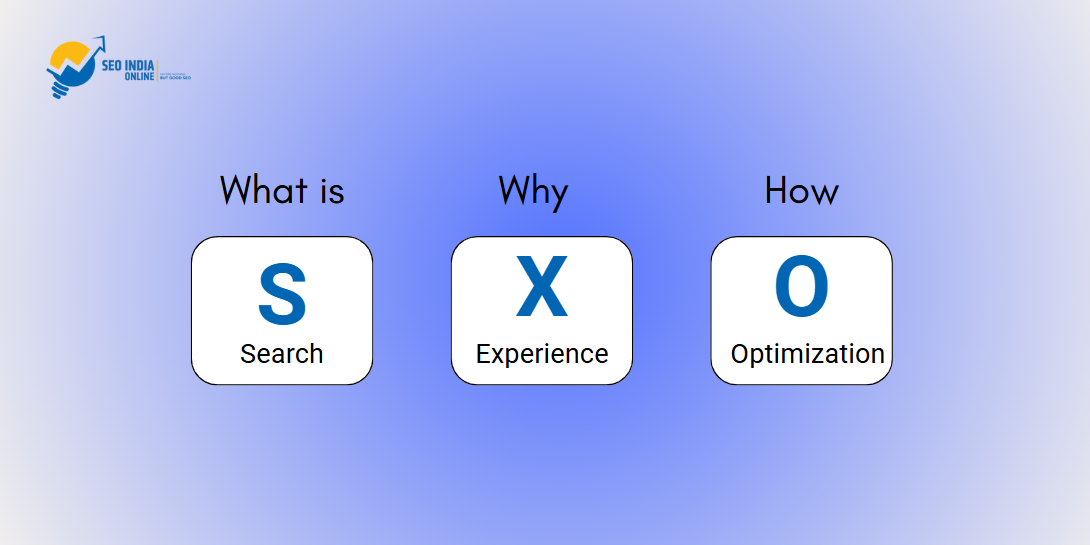
What is SXO (Search Experience Optimization)?

SXO, or Search Experience Optimization, combines SEO (Search Engine Optimization) with UX (User Experience). Together, it improves search visibility and user satisfaction. However, unlike traditional SEO, which mainly focuses on rankings and keywords, SXO prioritizes how users interact with different websites after they click through. Some significant key differences include user intent optimization, better user engagement, and seamless navigation.

Furthermore, SXO assists in fast-loading pages and clear internal linking. It also guides users to related content, better mobile responsiveness, and personalized website content matching user behavior. This approach allows businesses, brands, or websites to attract huge traffic while retaining and converting visitors.

Why SXO (Search Experience Optimization) Matters in 2025

Search is evolving. It is no longer limited to just becoming visible over sites. Google’s evolving algorithms not only prioritize helpful content but also analyze what experience it offers to users. UX has the potential to affect the conversion rate, with an increase of up to 400%.

Similarly, helpful Content Updates, EEAT (Experience, Expertise, Authoritativeness, and Trustworthiness), and Core Web Vitals are also the key things that signal the shift of changes. On the other hand, AI-powered search engines are turning into “answer engines” that significantly respond to search results. Similarly, when users reach your site, whether their intent is meeting or not matters through UX and conversion optimization. SXO also bridges the gap between on-site and off-site visibility, thus offering seamless user experience and driving real business impact.

SXO (Search Experience Optimization) allows businesses to meet the goal and bring an answer to the question, “Will visitors like and stay on the page that they have landed on?” As a result, it examines a user’s whole journey and assists them in making valuable decisions related to your website.

How To Boost SEO & UX Together with SXO Strategies

According to the data, 88% of users don’t prefer to return to a website after having a bad user experience. However, attracting visitors to your business or brand website is no longer the only intent of businesses. These days, if the user experience is not optimized properly, they might leave the page without completing any significant action. This creates a need to boost SEO and UX together. It is not only vital for conversion but also for assured user retention and loyalty. Below, we are mentioning a detailed breakdown:

1. Optimize for User Intent, Not Just Keywords

Successful SXO always begins by aligning content with users’ proper search intent. Whether informational, navigational, or transactional, the content of your site matters, not just the keywords. Your prime goal is to optimize the content based on user intent. So, avoid keyword stuffing and craft content that directly answers your searcher’s queries or meets their demands. Content relevancy always adds value to both rankings and user satisfaction. Thus, it leads visitors toward becoming dedicated readers or customers.

2 . Design for Usability and Speed

A design that can perform flawlessly on different devices improves the overall usability. Some critical SEO metrics are – Core Web Vitals—Largest Contentful Paint (LCP), First Input Delay (FID), and Cumulative Layout Shift (CLS). These metrics can help improve performance and compress images. Also, those significantly help in efficient hosting and streamlining coding. Remember that fast and flawless user experiences on any website reduce bounce rates and support higher rankings. Overall, it improves the search engine performance.

3. Create Content That Delivers Real Value

Content is king, and valuable content still holds significant potential. Focusing on relevancy, originality, and solving user problems through excellent content can provide a better user experience. Using real-world examples, case studies, and expert opinions help to build higher trust and credibility. In addition, updating content regularly, showing the current trends, and developing fresh and in-depth content keep users engaged. As a result, this makes your site more favorable in Google’s algorithm and other search engines.

4. Improve Readability

Enhanced readability makes any content more digestible and user-friendly. For long-form pages, a clickable section or table of Contents (TOC) supports easy navigation without confusing users. Similarly, breaking up texts into small paragraphs leads to clarity. Furthermore, visuals like images, infographics, and charts keep users engaged longer and enrich them with clear understanding. These things matter a lot in providing the ultimate user experience, besides signaling the quality of your site and pages to search engines.

5. Use Internal Linking to Guide the Experience

Internal linking supports UX and SEO by helping the users navigate your website. Strategic link placement also improves the user journey by guiding readers about related articles, product pages, or resources. Additionally, you need to use descriptive anchor text that indicates what the user will get next when they navigate your site. Remember, a strong internal link structure reduces not only the bounce rates but also supports user retention.

6. Monitor UX Signals

The latest tools, such as Hotjar, Microsoft Clarity, and Google Analytics 4 (GA4), allow businesses to monitor how users interact with your website. Similarly, when you track the proper behavior metrics, such as bounce rate, scroll depth, and session duration, you can get the chance to identify the pain points other than the areas that need improvement. Together, these insights assist in refining content, proper design, and ideal layout. Also, the real user data ensures that the SXO strategy ideally evolves to meet both user expectations and SEO demands.

SXO Tools & Metrics to Track

As you read SXO, you probably want to know how to implement it. Utilizing the right tools and tracking key metrics is crucial, as it can help you check SEO performance and user engagement. Below, we are giving a detailed breakdown of some essential SXO tools and the metrics that help measure and provide a clear picture of how searchers and users interact with your website and how search engines view it.

Tools

  • Google Search Console

Google Search Console is a free tool that provides clear insights into your website’s overall search performance. Also, it not only shows the keyword rankings, click-through rates, and indexing issues and allows tracking back of mobile usability. Search Console is crucial in identifying how users find a website and which areas need improvements to boost visibility and user experience.

  • Google Analytics 4

If you want a clear picture of user behavior across different devices and platforms. It assists in tracking the correct engagement metrics. This includes the time users spend and stay on a site, different events, and conversions. Also, with predictive analytics and advanced reporting, GA4 significantly impacts UX improvement.

  • Hotjar / Microsoft Clarity

Microsoft Clarity assists with heatmaps, session recordings, and user interaction data. Hotjar and clarity help visualize how visitors navigate your site, where they click on it, and where they drop off. Thus, you can get a clear idea of optimizing the website’s layout and content placement, which adds value to improving the overall user experience.

  • PageSpeed Insights

According to Debugbear, Google recommends a page loading time should be under 2.5 seconds for a better user experience. So, these insights provide the right suggestion for improvements. Based on Core Web Vitals, the tool provides the correct score for pages applicable for both mobile and desktop. Faster-loading pages always matter because these contribute to a better UX and improved search rankings.

  • Screaming Frog / Sitebulb

These website crawlers audit different SEO technicalities. These include broken links, duplicate content, and site architecture. They are even highly essential for uncovering different backend issues. As a result, this affects the search indexing and user navigation, assisting in performance analysis.

Metrics

  • Bounce Rate

Bounce rate is crucial to measure the percentage of visitors who leave your site after spending a few seconds or visiting just one page. The higher the bounce rate, the better it indicates that users have not found the solutions they seek. Similarly, lower bounce rates mean your website content and UX perfectly meet and align with users. According to data, pages with good Core Web Vitals see 24% lower bounce rates.

  • Time on site

This metric reveals the longer time users spend on your website. Longer durations indicate genuine engagement of users on your website. Tracking time on-site is ideal for determining whether your pages are ideal and progressing according to the planned journey.

  • Conversion Rate

Conversely, the conversion rate shows the percentage of visitors who complete a desired action. This might be filling out a form regarding a service or making a purchase. It’s a key indicator for businesses that show how satisfying the experience your users get. It additionally supports Improving UX, which leads to higher conversion rates.

  • Pages per Session

This metric suggests, in a single visit, how many pages a user views on your site. Higher numbers always reveal your site has effective internal linking and engaging content. Therefore, it is considered a highly useful signal to SXO, and users can contribute to better retention and site depth.

  • Click-Through Rate (CTR)

CTR measures how users click your site’s link after finding it in search results. A high CTR always indicates compelling meta titles and descriptions. Also, it reflects both SEO effectiveness and how the content meets your users’ expectations.

How to Get Started with SXO

You don’t need to make any drastic changes to your entire website to bring results from Search Experience Optimization. Remember that with a few smart improvements, you can go a long way in creating an excellent experience for visitors and Google. Let’s get into the part “how” you can do this successfully because good SXO needs time, dedication, and following the proper steps.

  • Start With the Intent Ultimately

Before you set the keywords to meet the search intent of your business, ensure that your searchers use those words relevant to your business. Then, write to meet the intent, not just for keywords.

  • Structure Your Content to Guide Your Searchers

Use the structures in H2s, H3s, and lists, as well as in short paragraphs. Thus, you can help the readers to move through your content without any confusion.

  • Improve the Page Load Times

Use compressed images with proper alt tags. It will help the images to load faster on your website. Similarly, you can reduce the size of unnecessary scripts, which overall makes the process time-consuming. Remember, faster pages = better SXO.

  • Optimize for Mobile First

Check the mobile version of your website before you check the version on the desktop. Most users start with mobile-first these days.

  • Track What Matters

Forget the traditional metrics. Check each user’s bounce rate, average session duration, and scroll depth. Thus, you can get the chance to measure the success of the search experience optimization.

Conclusion

What matters most to websites is SXO, where SEO meets UX. It is not just about getting found on different search engine results pages; it is all about guiding users through a seamless and satisfying journey from the first moment of entry to your website and converting leads.

SXO has the power to transform visibility into real and meaningful engagement. All this can be possible with fast-loading pages, clear messaging, and intuitive UI-UX design. So, all you need to do is integrate an excellent experience into your SEO strategy; this is it. SXO is the future of digital growth because nowadays, website goals are not just limited to being found but also remembered. So, apply it and outrank the competition.

Let SEO India company help you implement a winning SXO strategy that not only attracts traffic but turns visitors into loyal customers.

FAQs

Is SXO the same as SEO?

SXO has become a proven and effective way of enhancing the same elements as SEO. However, SXO (Search experience optimization) and SEO (Search engine optimization) differ. SXO and SEO are closely related and work together in this modern digital world. SEO services primarily focuses on optimizing a website and ensuring it ranks higher in search engine results pages (SERPs). On the other hand, SXO takes a broader approach by enhancing users’ experience once they land on the website.

How is SXO different from UX?

There is a key difference between SXO and UX. SXO (Search Experience Optimization) is an advanced yet holistic approach that always combines SEO (Search Engine Optimization) and UX (User Experience). It improves a website’s overall visibility and performance in search results. Furthermore, SXO ensures a positive and engaging user experience that smooths the entire user journey from search query to conversion. Additionally, SXO aims to provide a seamless and satisfying experience that encourages user engagement and helps businesses complete their goals.

Does SXO impact rankings?

Yes, Search Experience Optimization (SXO) significantly impacts the search engine rankings for different websites. Combining traditional SEO with trendy and user-centric strategies, SXO significantly creates a positive user experience, influencing how search engines perceive and rank a website. SXO ensures that websites are not only discoverable but also very engaging and satisfying for users. Learn how –

  • Google’s algorithm favors websites that offer an engaging user experience. SXO works here.
  • It impacts user behavior.
  • SXO performs continuously on improvement and helps in analysis.

What are examples of SXO improvements?

SXO, combined with traditional SEO, brings lots of improvement. Similarly, it enhances visitor satisfaction and provides a positive user experience that greatly increases overall visitor engagement and retention. However, some examples of SXO improvements are advanced mobile device optimization, website page loading speed, superior navigation, high-quality content creation, and structured data implementation. All these changes together lead to increased engagement and better user experience. Thus, as a result, it reduces the chances of higher bounce rates and improves the conversion rates.

Is SXO only for e-commerce?

No, SXO (Search Experience Optimization) is for all types of websites, not exclusively for e-commerce websites. However, SXO applies different strategies to e-commerce businesses. But, when applied correctly, those SXO strategies not only work on improving better conversions and user experience.  While e-commerce businesses only focus on sales, SXO for all websites assists in lead generation and form submissions, or simply increases the time spent reading articles on the website. Hence, effective SXO principles benefit any website aiming to enhance its overall search visibility and bring great user engagement.

Posted in SEO

How SEO Branding Boosts Brand Awareness and Drives Organic Growth

Brand awareness and SEO are closely connected. While the primary goal of SEO is to drive organic traffic, it also plays a crucial role in increasing your brand’s visibility. SEO branding focuses on creating a unique and memorable identity that your target audience will recognize and trust.

A strong brand story combined with a strategic SEO plan builds awareness and shapes your online reputation. In this blog, discover how SEO branding can enhance your brand presence and how you can measure its effectiveness.

What is SEO Branding?

SEO branding is the practice of improving your brand’s visibility and recognition using search engine optimization techniques. It involves optimizing your site and content so that your brand appears prominently in search results when people are looking for your products or services.

Even if users do not click, seeing your brand name repeatedly builds recognition. Over time, this brand exposure can lead to higher trust, better engagement, and ultimately more conversions.

Moreover, SEO branding ensures your brand delivers a smooth and positive experience for users at every stage of their search journey. This improves their perception of your brand and moves them closer to making a purchase.

Why Branded Searches Matter

Branded searches refer to queries that include your company name or a variation of it. These are highly valuable because they indicate strong intent. A user searching for your brand is likely familiar with your offerings and closer to making a buying decision.

When your brand name appears in top search results, you are building authority and trust. Branded search traffic can be one of the most reliable sources of organic leads and long-term growth.

SEO Branding Strategies to Boost Awareness

Building a brand is a drawn-out process that typically requires a lot of time. However, we can outpace them by utilizing a few branding and SEO techniques! However, what are these tactics?

1. Build High-Quality Backlinks

Backlinks from reputable websites help search engines recognize the value and authority of your content. The more quality backlinks you earn, the more visibility your brand gains.

Effective methods include guest blogging, strategic content partnerships, and sharing your content through social platforms. Combine this with strong content marketing efforts to naturally attract links and traffic.

2. Optimize Content Marketing for Branding

Content marketing is at the heart of SEO branding. Conduct deep keyword research to understand what your audience is searching for. Create helpful and relevant content that aligns with those needs. Optimize on-page elements such as meta titles, headings, and image descriptions with your target keywords. Aim to appear in featured snippets and top-ranking positions to improve visibility. When your content is consistent, useful, and well-optimized, your brand stays top of mind.

3. Use Long-Tail Keywords to Target Intent

Long-tail keywords are longer and more specific search terms that reflect a user’s exact intent. For example, instead of targeting the keyword furniture, a long-tail phrase could be [black friday furniture sale]. These keywords allow you to reach a more targeted audience that is further along in the buying process. They also tend to have lower competition, making it easier to rank and get noticed.

4. Focus on Niche Audiences

Narrowing your focus can help you build deeper brand connections. Identify a specific niche that fits your product or service and align your SEO efforts with that audience’s needs.

Conduct audience research to understand what they are searching for. Tailor your content and keywords accordingly. The more relevant your content is, the more likely it is to attract loyal and repeat visitors.

5. Build a Positive Brand Image

SEO is not just about rankings. It also shapes how your brand is perceived. Use clear messaging, consistent tone, and helpful content to position your brand as a trusted expert in your industry.

Positive user experience, fast site speed, and informative pages all contribute to brand credibility. A well-executed SEO strategy supports both visibility and trust.

6. Use Local SEO to Increase Brand Recognition

Local SEO helps your brand appear in searches made by people in your area. If you are a local business, this is essential. Make sure your business is listed correctly on Google and other directories. Include location-based keywords in your content and optimize for mobile searches. Google uses location data to serve relevant results, so being visible in local searches increases foot traffic and brand familiarity.

SEO Branding: FAQs

1. What is SEO Branding and how does it work?

SEO Branding is the process of building your brand’s visibility through search engines. It focuses on ranking for branded terms, creating helpful content, and offering a consistent brand message across all pages. The goal is not just to drive traffic, but to make your brand recognizable and trusted over time.

2. Why is SEO important for brand awareness?

SEO helps people discover your brand when they search online. Even if users do not click right away, seeing your brand in top results builds familiarity. The more often your brand appears in search, the more people begin to trust and remember it, which strengthens overall brand awareness.

3. How does content marketing support SEO Branding?

Content marketing allows you to tell your brand story while using keywords that your audience is searching for. Helpful, well-written content improves your chances of ranking on search engines and keeps visitors engaged. Over time, this builds both brand recognition and trust.

4. Can SEO Branding help new businesses grow faster?

Yes, SEO Branding can be very helpful for new businesses. By targeting specific keywords, creating useful content, and focusing on user experience, new brands can stand out online. Even without a big budget, consistent SEO efforts can lead to stronger visibility and gradual growth.

5. How do I know if my SEO Branding efforts are working?

You can track your progress by monitoring branded search traffic, keyword rankings, time on site, and how often your brand name appears in search results. Tools like Google Search Console and Google Analytics can help you measure growth and make smart improvements.

Ready to build a stronger brand online?

Partner with an affordable SEO Company in India to grow your visibility, boost brand awareness, and drive long-term success through smart SEO branding strategies. Connect with us today for a personalized consultation.

Best Practices for Creating SEO-Optimized URLs

Search Engine Optimization is a vital aspect of any digital business as it assists in driving traffic to a website to a website. As the majority of users start their online experience with a search engine, it is crucial to make sure that your website is at the top of the search results. One of the best ways to do this is with SEO URL best practices.

The Google algorithm updates have shaken up the world of SEO. However, URL optimization has endured this difficult challenge. It is a crucial element of on-page SEO that every content marketer needs to know.

Here, we will give you an ultimate guide to SEO URL optimization.

What is a URL?

A URL is basically a text that is readable by humans and was designed to replace the numbers that computers use to communicate with the servers. They also identify the file structure on the given website.

Typically, a URL consists of domain anime, protocols, and paths. There is a basic format. The protocol indicates how a browser needs to retrieve information about a resource.

The domain name is the human-readable name of a certain location where a resource is located.

When it comes to URL SEO discussion, the subdomain is the component of the domain that comes before the main ‘root’ domain. You can come up with multiple subdomains, but they are generally different websites, so you are not required to have lots of subdomains when you actually need them. They are developed to organize content for your website. The domain name is basically the unique address where a website is located.

How is a URL constructed?

In a nutshell, a URL SEO is primarily a web address that has been tweaked to be search-engine friendly, enhancing its ranking and visibility. It is vital to have a URL SEO that is both search engine and user-friendly, enhancing comprehensibility.

A well-structured URL SEO can offer invaluable analytics into the webpage, communicating the hierarchy, subject matter, and its associations with other pages. By making sure you are up-to-speed with the SEO URL best practices, the webpage’s relevance can surge in the eyes of search engines, offering a potent lift to your search rankings.

These are typically the elements in the URL:

  • Domain name
  • Protocol
  • Webpage
  • Subdirectory

A good URL needs to be structured to facilitate easy navigation, with each element offering data regarding the content and its place within the structure of the site. For optimal navigation, a URL needs to be structured correctly, with every element revealing details regarding the content and its position within the overall structure of the site.

The structures of URLs can be different

When it comes to URL SEO, one thing you need to know is that not every website uses the same URL structures, and that is perfectly okay! The construction of the URL here depends on the distinct needs of the website.

For instance, an international site’s URL will likely be in multiple languages and locations. The URL SEO structures for a blog website can differ from a membership or an eCommerce site. You can also be certain that the URL structure of a governmental website will vary from that of a social network.

Based on the aim of the website, the structure of the URL will vary, but no matter what structure is selected, basic best practices still apply to maintain an ideal URL structure.

Importance of URL for SEO

URL SEO basically guides the visitors to your doorstep. Additionally, they set up the page’s keyword relevance for search engine crawlers. These days SEO URL best practices are vital.

Let’s dig into why URL is essential:

  • Better user experience

A well-crafted URL offers both search engines and humans an easy-to-understand indication of what the destination page will be about. If the title tag of a page is hidden, the human-readable and semantically precise URL will still provide a clear idea of what the destination page is about and will offer the visitors an enhanced experience.

  • Ranking factor

This is one of the reasons why URL optimization is needed. URLs are generally Google’s confirmed search ranking factors, which assist the search engine in deciphering what every webpage contains. With that in mind, one needs to add relevant keywords to the URLs to assist Google in understanding the contents of the page and what searches it should rank for.

  • Links

In a pinch, a well-written URL SEO can serve as its own anchor text when it is copied and pasted as links in blogs, social media, forums, or any other digital venue.

There are some websites that may leave shared links totally unformatted. Unoptimized and semantically inaccurate URLs can look unwieldy, and rather than gathering clicks, they actually deter them.

The URLs that are human-readable provide a better idea of what they will be getting when they click the link.

  • User experience

Keyword stuffing is way in the past. If you are looking for SEO URL best practices, you need to understand that SEO is now a delicate dance of pleasing both the algorithms and flesh-and-blood readers. One should aim for a descriptive URL so the users know what they can expect from the page.

Things to consider for better URL optimization

Speaking of SEO URL best practices, let us take a look at some of the things you need to consider for better URL optimization:

  • Remove the dates from blog posts
  • Go with a good URL structure
  • Consider the HTTPS protocol
  • Keep it simple and short
  • Use meaningful keywords
  • Use the lowercase letters

Wrapping Up

So, there you have it. Your ultimate guide to URL optimization ends here. Make sure to follow the SEO URL best practices to reap the incoming traffic benefits for your website. For all your SEO needs, head on to SEO India Online today!

FAQs

1. Why is URL structure important for SEO?

URL structure is a key on-page SEO element that helps both users and search engines understand what a page is about. A clean, descriptive URL improves user experience, builds trust, and can slightly boost search rankings. When URLs include meaningful keywords, they send strong signals to search engines about page relevance, which helps improve visibility in search results.

2. What should an SEO-friendly URL look like?

An SEO-friendly URL is short, descriptive, and easy to read. It should include keywords that reflect the page topic without being stuffed or overly complex. For example, a good URL might look like:

www.example.com/seo-optimized-urls

It avoids unnecessary parameters or random strings, and every word in the URL provides value to both search engines and users.

3. Do keywords in URLs affect rankings?

Yes, keywords in URLs still play a minor but meaningful role in SEO services. Including relevant terms in your URL helps search engines understand the page topic and improves your chances of ranking for those keywords. However, overusing or stuffing keywords can make URLs look spammy and negatively impact user trust. Aim for natural, meaningful use of one or two primary keywords in the URL.

4. Should I include dates in blog post URLs?

It is generally recommended to avoid dates in blog URLs. Including dates can make the content appear outdated even if it is still relevant. Shorter URLs also tend to perform better in search and are easier to share. Instead, keep URLs focused on the topic of the blog, allowing content to stay evergreen in the eyes of both users and search engines.

5. What is the role of HTTPS in URL optimization?

HTTPS is essential for URL optimization and overall SEO health. It signals to search engines and users that your website is secure, which improves trust and can lead to higher rankings. Google has confirmed HTTPS as a ranking factor, so making sure your URLs begin with HTTPS is a best practice for modern SEO.

6. Is it better to use lowercase letters in URLs?

Yes, always use lowercase letters in URLs. URLs are case-sensitive, which means uppercase letters can result in duplicate pages or broken links. Using lowercase letters ensures consistency and prevents confusion for both search engines and users.

7. Can URL length affect SEO performance?

Shorter URLs are usually better for SEO. They are easier to read, easier to share, and less likely to break when copied and pasted. A concise URL also performs better in search results and provides a cleaner look across platforms. Keep URLs brief, relevant, and aligned with the content on the page.

How SEO Drives Lead Generation For B2B Businesses?

Search engine optimization plays a powerful role in lead generation for B2B companies. It is not just about driving traffic, but attracting the right audience and turning those visitors into qualified prospects. With the right SEO strategy, businesses can improve their visibility, increase credibility, and support potential clients throughout their buying journey. This guide explores how SEO supports B2B lead generation and how companies can implement proven techniques to build a strong pipeline of potential customers.

Why SEO Matters for B2B Lead Generation

Check out below why SEO services matter for B2B lead generation –

SEO Positions Your Brand for Maximum Visibility

Appearing on the first page of search results significantly increases your chances of being seen by decision-makers. A well-executed SEO strategy helps your company stand out and builds trust among those searching for your services. Partnering with a reliable SEO agency can help you reach the top positions and gain visibility where it matters most.

Attracts High-Intent Visitors to Your Website

SEO focuses on attracting the right traffic, not just more traffic. By targeting keywords relevant to your industry, SEO brings in users who are actively searching for solutions you provide. These users are more likely to convert into leads because they already have an interest in your offerings. This targeted approach saves time and increases conversion potential.

Reaches Local Prospects with Precision

For B2B businesses that serve specific regions, local SEO is a powerful asset. Optimizing your content and business listings for local searches helps you connect with nearby companies looking for services in your area. Creating a complete Google Business Profile and managing local citations allows you to reach potential clients who prefer working with local vendors.

Builds Your Authority in the Industry

SEO helps position your brand as an expert by ranking your content for key topics in your field. Publishing useful, well-optimized articles on industry-specific subjects strengthens your brand’s authority. Over time, prospects begin to associate your name with reliability and expertise, which builds long-term trust and encourages engagement.

Supports the Full Buyer Journey

Effective SEO guides users through every stage of the buying process. From awareness to consideration and decision-making, your content can answer questions, offer insights, and lead users closer to taking action. A thoughtful SEO strategy ensures that your website supports the entire customer journey and makes it easier for visitors to become leads.

Key SEO Practices for Generating Leads in B2B

Effective SEO for B2B lead generation requires more than basic optimization. It involves understanding your target market, building trust, and creating an experience that supports users at every stage of their journey. Below are the key SEO practices that help B2B businesses generate qualified leads and drive long-term growth.

Know Your Target Audience

Understanding your audience is the foundation of every successful SEO strategy. In the B2B space, your buyers are often professionals or decision-makers looking for solutions to specific business challenges. Conduct detailed audience research to identify their pain points, priorities, and search behavior.

Use tools to explore what kind of questions they ask, the type of content they consume, and how they navigate the buyer journey. This allows you to create content and messaging that directly addresses their needs, resulting in stronger engagement and higher lead quality.

Use Strategic Keywords

Choosing the right keywords is critical for attracting the right kind of traffic. For B2B businesses, this means focusing on industry-specific terms and long-tail keywords that reflect the intent behind a user’s search. These longer phrases often indicate that a user is deeper into the decision-making process.

For example, instead of targeting the general term software, a more strategic keyword might be enterprise project management software for manufacturing. Such phrases help connect you with users who are actively searching for a solution and are more likely to convert into leads.

Optimize Titles, Headers, and Descriptions

Your titles, headers, and meta descriptions serve two important purposes. They tell search engines what your content is about and they influence how users interact with your listings in search results.

Make sure each page has a unique, keyword-rich title and clear headings that outline the topic. Use meta descriptions to briefly describe what users will find on the page. These elements help improve click-through rates and make your content more accessible, guiding visitors to the right information quickly.

Improve Page Speed and Mobile Experience

In today’s digital environment, speed and mobile usability are not optional. If your website loads slowly or performs poorly on mobile devices, visitors are likely to leave before engaging with your content. Make sure your pages load quickly by optimizing image sizes, reducing unnecessary code, and using efficient hosting. Your website should also be responsive, meaning it adjusts seamlessly across different screen sizes. A fast, mobile-friendly site keeps users engaged and improves your search rankings, both of which contribute to better lead generation.

Use Internal Links to Keep Users Engaged

Internal linking is a smart way to guide users through your website. By linking from one relevant page to another, you help visitors discover more of your content, stay longer, and move through different stages of the buyer journey.

For example, if someone is reading a blog post on industry challenges, you can link to a related service page or case study. This creates a smooth experience that leads users toward meaningful actions like filling out a form or scheduling a consultation. It also helps search engines crawl your site more efficiently.

Create Quality Content for Every Stage of the Funnel

In B2B marketing, your audience needs different types of content depending on where they are in the decision-making process. Your SEO strategy should reflect this by offering targeted content at each stage of the funnel.

At the top of the funnel, publish educational blog posts and guides that attract visitors. In the middle, provide comparison pages, product overviews, or case studies to help them evaluate their options. At the bottom, offer detailed service pages, pricing information, and clear calls to action that encourage conversions. When you cover every stage, you not only drive traffic but also nurture leads into qualified prospects.

Build Authoritative Backlinks

Backlinks from credible websites show search engines that your content is valuable and trustworthy. They are one of the most important ranking factors and a key part of building domain authority.

To earn quality backlinks, focus on creating content that other websites want to reference, such as original research, industry insights, or helpful guides. You can also collaborate with industry publications, participate in guest blogging, or promote your content through partnerships. A strong backlink profile improves your visibility and helps attract more organic leads.

Improve User Experience to Keep Prospects Interested

User experience plays a major role in how visitors perceive your brand and whether they stay on your website. A well-designed site with intuitive navigation, clear messaging, and engaging visuals makes it easier for users to find what they need.

Minimize clutter, use consistent fonts and colors, and make sure your content is easy to read. Include clear pathways for users to take action, such as contact forms or downloadable resources. A positive experience increases the likelihood that visitors will trust your brand and convert into leads.

Track and Measure Results

To know whether your SEO efforts are paying off, it is important to track performance regularly. Use analytics tools to measure organic traffic, keyword rankings, bounce rates, and conversion rates. This data helps you understand what is working and what needs improvement.

Monitoring your metrics allows you to refine your strategy over time, test new ideas, and make smarter decisions. Ultimately, it helps you generate more leads by continuously improving the elements that matter most.

Combining SEO with Other B2B Marketing Strategies

SEO works best when integrated with other marketing efforts. Content marketing, for example, complements SEO by keeping visitors engaged with useful and relevant information. High-quality blog posts, whitepapers, and landing pages support keyword strategies and build trust.

Email marketing is another strong channel. By collecting email addresses through optimized landing pages, you can keep leads engaged through newsletters and follow-ups.

Social media and SEO services also work well together. Sharing your content on platforms like LinkedIn helps expand reach and drive traffic from a professional audience.

Paid search campaigns can support SEO by capturing additional traffic from users who may not have found you through organic search. Using both strategies ensures your brand appears in multiple places, reinforcing your presence and increasing your chances of reaching qualified leads.

Conclusion

SEO is a powerful tool for generating high-quality leads in the B2B space. It builds trust, improves visibility, and attracts the right audience to your website. With the right approach, SEO supports every stage of the customer journey and helps businesses grow in a sustainable way.

Now is the ideal time for B2B companies to make SEO a key part of their lead generation strategy. By investing in expert guidance and a customized plan, your business can unlock new opportunities, connect with the best SEO Company in India, and drive consistent growth in a competitive market.

How To Optimize Your Product Page For SEO

For ecommerce businesses, product pages are the cornerstone of conversions and organic search visibility. While homepage and category pages bring general traffic, it’s the product pages that drive purchase intent. If they are not properly optimized, you risk losing valuable traffic, falling in search rankings, and lowering conversion rates.

Today’s SEO goes beyond just keywords. It now includes user experience, structured data, page speed, visual elements, and alignment with Google’s E-E-A-T principles (Experience, Expertise, Authoritativeness, Trustworthiness). Many brands now rely on ecommerce SEO services to implement these strategies effectively. This guide outlines modern best practices to optimize your product pages for both search engines and users.

1. Optimize Product URLs

Product URLs play a key role in both SEO and user experience. Clear, keyword-rich URLs help search engines understand your page and make it easier for users to trust and click through. Avoid complex URLs with random numbers or characters. Instead, use clean, readable links that reflect the product and its category. Well-optimized URLs support higher search rankings and improve overall site structure.

Best Practices for Product URL Optimization:

  • Use descriptive keywords that clearly reflect the product name or type
  • Include relevant categories or subcategories for better context (e.g., /digital-marketing/search-engine-optimization/)
  • Avoid stop words (like and, or, the) and unnecessary characters or parameters
  • Keep URLs short, simple, and easy to understand
  • Use hyphens (not underscores) to separate words for better readability

2. Use Keyword-Rich Product Titles

Your product title is one of the first things users and search engines notice. A strong title helps boost visibility and click-through rates. It should be clear, specific, and include your primary keyword naturally. Avoid generic or vague wording that doesn’t reflect the product clearly. A well-optimized title improves your chances of ranking for relevant searches and increases user trust.

Tips for Product Title Optimization:

  • Place the main keyword near the beginning
  • Keep the title relevant and easy to understand
  • Avoid overly broad or generic phrases
  • Stick to 60 characters or fewer for proper display in search results
  • Match real search queries your customers use

3. Optimize Product Headings (H1, H2, etc.)

Proper heading structure makes your product page easier to read and scan. It also helps search engines understand your content. Your H1 tag should clearly state the product name, while H2s and H3s can organize features, specs, and FAQs. Headings improve page structure and are key for SEO and voice search.

Why Product Headings Matter:

  • Help search engines understand page layout
  • Make content easier to scan for users
  • Support better keyword placement
  • Improve voice search readability
  • Organize key product information clearly

4. Write Unique and Engaging Product Descriptions

Product descriptions should be original, helpful, and aligned with user intent. Avoid using manufacturer content, which can hurt your rankings. Instead, highlight key features and benefits in a natural tone. Use relevant keywords smartly and write in a way that answers user questions and supports buying decisions.

Checklist for Product Descriptions:

  • Focus on the product’s benefits and use cases
  • Include a mix of short-tail and long-tail keywords
  • Break content into easy-to-read sections
  • Avoid duplicate or AI-generated content
  • Make sure the copy speaks directly to users

5. Create Compelling Meta Descriptions

Meta descriptions help users decide to click your link on search engines. Though not a ranking factor, they influence click-through rates. A well-written meta description should summarize the product clearly and include your target keyword.

Tips for Meta Descriptions:

  • Stay within 150–160 characters
  • Use the main keyword naturally
  • Highlight a key benefit or use case
  • Write in a clear, action-oriented tone
  • Encourage users to visit your product page

6. Add Structured Product Schema Markup

Schema markup adds extra context to your product pages, helping search engines display rich snippets like ratings, price, and availability. This increases your page’s visibility and makes it stand out in search results. Adding structured data is a key part of modern Ecommerce SEO services and supports better product discovery.

Essential Schema Elements to Include:

  • Product name and brand details
  • Star ratings and customer reviews
  • Price and currency information
  • Availability status (in stock or out of stock)
  • SKU, shipping, and return info if applicable

7. Use High-Quality, Optimized Product Images

Images help customers make buying decisions and influence both SEO and user experience. Poor-quality images or large files can slow down your site. Use fast-loading, high-resolution visuals to improve engagement and page speed without sacrificing quality.

Tips for Product Image Optimization:

  • Use descriptive alt text with relevant keywords
  • Compress images without losing clarity
  • Prefer WebP format for faster loading
  • Include multiple product views or zoom options
  • Maintain consistent size and quality across pages

8. Add Product Videos for Better Engagement

Videos offer a more dynamic way to showcase your product. They build trust, explain features visually, and increase time spent on the page. A well-placed product video can boost conversions and reduce return rates.

Video Optimization Tips:

  • Keep the video short and focused (30–90 seconds)
  • Use captions or transcripts for accessibility
  • Host on fast-loading platforms or use lazy loading
  • Show product use, benefits, or unboxing
  • Ensure mobile compatibility and fast loading

9. Highlight Product Reviews and Ratings

Product reviews build credibility and encourage buying decisions. They also contribute to rich snippets in search results. Including and managing customer reviews supports your site’s trustworthiness and aligns with Google’s E-E-A-T guidelines.

How to Use Reviews Effectively:

  • Display verified customer reviews
  • Add filters for ratings or features
  • Include star ratings on the product page
  • Use review schema for SEO benefits
  • Monitor and respond to customer feedback

12. Enhance Internal Linking on Product Pages

Smart internal linking helps search engines crawl your site and guides users to relevant products or information. It also keeps visitors on your site longer, which boosts engagement and SEO performance.

Best Internal Linking Practices:

  • Link to related or complementary products
  • Include category or collection page links
  • Use keyword-rich anchor text where possible
  • Avoid broken links or redirect chains
  • Link to guides, FAQs, or helpful blog content

13. Focus on User Experience (UX)

User experience is a major factor in how well your product pages perform. A clean, intuitive layout with fast access to key details improves engagement, encourages purchases, and supports SEO goals.

Ways to Improve UX on Product Pages:

  • Use a clean design with plenty of white space
  • Ensure fonts, colors, and styles are consistent
  • Make CTAs like “Add to Cart” or “Buy Now” stand out
  • Streamline the checkout process for faster conversions
  • Prioritize usability across all devices

Conclusion

Product page optimization plays a vital role in driving organic traffic, increasing conversions, and improving overall site performance. Well-optimized product pages not only rank better on search engines but also offer a smoother, more engaging experience for users. In a highly competitive ecommerce landscape, ongoing optimization is essential to maintain visibility, meet evolving SEO standards, and build trust with potential buyers. By refining key elements like URLs, content, structured data, and page speed, businesses can achieve stronger results. Partnering with an experienced SEO Company India can further streamline the process and deliver measurable growth.

A Complete Guide to SEO for Medical Practices in 2025

There are many reasons why the medical industry is becoming increasingly competitive. Whether you’re launching a new medical practice in your local area or managing an existing clinic competing for more patients, standing out in a crowded digital space has never been more crucial. This is where SEO comes in.

SEO for Medical Practices refers to the process of optimizing your website and online presence to rank higher on search engines like Google. Simply put, it helps potential patients find your medical practice when they search for relevant services, treatments, or specialties online.

In this guide, we’ll cover what SEO for Medical Practices involves, why it’s essential in 2025, how to track its effectiveness, actionable strategies to improve your visibility.

What are Medical SEO Services?

Medical SEO services refer to specialized search engine optimization strategies tailored specifically for healthcare providers. The primary goal is to improve a medical practice’s visibility in search engine results and attract more relevant traffic from potential patients.

These services typically include in-depth keyword research to understand the search terms patients use when looking for medical care, along with on-page and off-page optimization techniques. They also involve technical SEO efforts to enhance website speed, mobile responsiveness, and overall performance.

Challenges in Medical SEO Services

Optimizing digital content for medical practices is far more complex than standard SEO. It requires not just technical expertise but also a strong understanding of healthcare regulations, ethical considerations, and patient expectations. Below are some of the key challenges faced in medical SEO services:

1. Patient Privacy & HIPAA Compliance

One of the most critical challenges in medical SEO is maintaining strict patient confidentiality. Healthcare websites must fully comply with regulations like HIPAA (Health Insurance Portability and Accountability Act), which governs how patient information is collected, stored, and displayed. Any misuse or accidental exposure of protected health information (PHI) can lead to legal penalties and reputational damage.

When creating content or building web forms (like appointment bookings or contact forms), it’s essential to ensure that no personally identifiable information (PII) is collected or published without consent. SEO teams must collaborate closely with compliance officers or legal advisors to keep all marketing efforts aligned with privacy laws.

2. Regulatory & Content Accuracy Requirements

Medical content must adhere to strict guidelines set by regulatory authorities such as the FDA and FTC. All claims related to treatments, results, or procedures must be fact-checked and scientifically supported. Unlike typical industries, using vague or exaggerated promises in healthcare can not only harm patients but also result in regulatory violations.

Writing for medical SEO demands a fine balance between search engine visibility and clinical accuracy. Ensuring content is reviewed by qualified professionals and includes references where needed is critical for both ranking and credibility.

3. High Industry Competition

The healthcare industry is saturated with providers, from local clinics to nationwide hospital networks. Ranking for competitive keywords like “best dermatologist near me” or “urgent care services” is exceptionally difficult without a strong, strategic SEO foundation.

Medical SEO requires localized strategies, rich content, high quality link building, and continuous optimization to compete with well-established competitors. Newer or smaller practices need to be especially creative and consistent in their SEO efforts to gain ground in a crowded digital space.

Why Do You Need SEO for Medical Websites?

Having a website is important, but it’s not enough if patients cannot find it. This is where SEO for Medical Practices becomes valuable. A well-optimized website helps your clinic appear in search results when people look for medical services online.

Medical SEO services focus on improving your website’s visibility on search engines like Google. This means more people can find your practice when searching for symptoms, treatments, or healthcare providers in your area.

Here are the main reasons to invest in SEO for your medical website:

1. Attract New Patients

Every medical practice needs a steady flow of new patients to grow. Most people now search online when looking for doctors, clinics, or specific treatments. Medical SEO services help your website appear for the right search terms, increasing visibility where it matters most. By targeting relevant keywords, optimizing location details, and improving content clarity, SEO connects your practice with patients actively seeking care. A strong online presence makes it easier for people to discover and trust your medical services.

2. Improve Website Traffic Quality

Getting traffic is important, but attracting the right visitors matters more. Medical SEO services focus on optimizing your website for keywords that match your treatments and specialties. A well-structured site that loads quickly and works smoothly on mobile devices improves user experience. This encourages potential patients to explore your services, engage with your content, and take action. When your website aligns with what users are searching for, the chances of converting visitors into actual patients increase significantly.

3. Rank for Treatment-Specific Keywords

Focusing on treatment-specific keywords is an essential part of SEO for Medical Practices. These are search terms used by people looking for particular services, such as “knee pain doctor in [city]” or “dental implants near me.” Medical SEO services help identify and target these phrases so your practice appears in front of users with high intent. By aligning your website content with these keywords, you attract more qualified traffic that is more likely to convert into real patient appointments.

4. Capture Competitor Traffic

Multiple medical practices often compete for the same search terms, especially in local areas. By using targeted medical SEO services, your website can rank higher than nearby competitors for key patient-focused keywords. Appearing above others in search results increases the chance that users will visit your site instead. A strong and consistent SEO strategy helps you gain visibility, attract more qualified traffic, and take a larger share of online interest that might otherwise go to competing healthcare providers.

5. Increase Patient Appointments

Higher search visibility and quality traffic help turn your website into an effective appointment-generating tool. Medical SEO services focus on creating a user-friendly experience by making it easier for visitors to find your services, understand your expertise, and take action. Clear content, fast-loading pages, and simple navigation build trust and reduce confusion. When patients can quickly get the information they need and book appointments with ease, your practice benefits from more inquiries and consistent appointment growth over time.

What Do Medical SEO Agencies Offer?

Medical SEO agencies offer specialized SEO solutions designed specifically for healthcare professionals. Their goal is to improve your online presence, attract more patients, and support the long-term growth of your medical practice. These agencies use a combination of technical SEO, high-quality content, and strategic outreach to ensure your website performs well in search engine rankings.

Here are the core SEO strategy typically included:

Keyword Research:

  • Use SEO tools: Some of the free tools you can use include Google Keyword Planner and SEMRush.
  • Long-tail keywords: The patient usually uses these longer as well as more particular phrases. Such pages are less competitive and may lead to better ranking than direct linking.
  • Local keywords: Include location-specific keywords such as “dentist in [City]” and “chiropractor in [City].”

On-Page SEO

On-page SEO involves optimizing the content and HTML elements of your website to make it search engine friendly. This includes refining meta titles, headings, URL structures, and keyword placements. Medical SEO agencies conduct in-depth research to identify the most relevant keywords for your medical specialty and location, helping your pages rank for the terms your patients are actually searching.

  • Title tags: Make sure you put your target keyword in the title tag of every page you have.
  • Meta descriptions: Develop highly persuasive meta descriptions that will make users want to visit your website when they come across it in a search.
  • Image optimization: Give them descriptive alt tags, and keep their sizes relatively small so that they can load quickly.
  • Site speed: Slow-loading sites frustrate users and may affect your ranking. Using page speed testing tools such as Google’s Page Speed Insight.
  • XML sitemap: An XML sitemap assists search engines in understanding how your website is structured.
  • Secure website: Use HTTPs for your site, as this is among the signals that Google considers in their rankings.
  • Navigation: Ensure that you have an easy-to-browse site, complete with an organized menu and logical categorizing of pages.
  • URL structure: Make sure that your URLs are brief and descriptive with keywords.
  • Mobile-friendly: Given that more than 50 percent of web traffic originates from mobile devices, it pays to have a mobile-ready site.

Off-Page SEO

Off-page SEO focuses on building your website’s authority through external signals. This includes earning high-quality backlinks from trusted websites, managing citations, leveraging medical directories, and promoting your practice through influencer outreach or partnerships. These efforts help improve your website’s credibility and search engine rankings over time

  • Blog posts: Post regularly on health issues, treatment measures, and related tips.
  • Patient testimonials: They help you look credible and offer you fresh material on your site.
  • Videos: The use of videos as a technique of explaining complicated health matters is also effective since watching them is both entertaining and instructive.

Content Optimization

Creating valuable and accurate content is crucial in healthcare marketing. Medical SEO agencies help develop and optimize blog posts, service pages, FAQs, and treatment descriptions that are informative, keyword-optimized, and aligned with current search trends. This not only attracts more visitors but also establishes your expertise in your field.

Online Reputation Management

A medical practice’s online reputation can strongly influence search visibility and patient trust. Medical SEO agencies monitor reviews, ratings, and feedback across platforms like Google, Healthgrades, and Yelp. They also implement strategies to respond to reviews professionally, highlight positive patient experiences, and improve overall brand credibility.

Social Media Marketing

Social media platforms are a valuable channel for engaging with patients and increasing brand awareness. Medical SEO agencies help manage and grow your presence on platforms such as Facebook, Instagram, and LinkedIn. They create consistent, compliant content that informs, educates, and builds connections with your audience.

Local SEO

Local SEO is essential for practices that serve patients in specific geographic areas. Medical SEO services include optimizing your Google Business Profile, managing local citations, and ensuring your practice appears in map listings and local search results. This makes it easier for nearby patients to find and choose your services.

Tips to Choose the Right Medical SEO Agency

Choosing the right Medical SEO agency is an important decision that can directly affect your practice’s growth and digital visibility. A reliable SEO Company in India partner will help you attract more patients, improve search rankings, and maintain compliance with healthcare marketing standards. Here are some key factors to consider before making your choice:

1. Industry Experience

Work with an SEO agency that understands the healthcare industry. Agencies with experience in medical SEO are better equipped to handle industry-specific challenges such as HIPAA compliance, treatment-related keyword targeting, and reputation sensitivity. Ask to see case studies or a client portfolio to evaluate their track record with other medical professionals.

2. Reputation and Reviews

Just as patients read reviews before choosing a doctor, you should evaluate an agency’s reputation before hiring. Look for testimonials from other clinics or healthcare providers. Check online reviews, ratings, and detailed feedback on platforms like Google or Clutch. A trustworthy agency will have a positive reputation and real success stories to share.

3. Strategy and Approach

A reliable medical SEO agency should be transparent about the methods they use. They must follow ethical, white-hat SEO practices and stay current with search engine algorithm updates. Ask them to explain how they handle keyword research, on-page optimization, backlink strategies, technical SEO, and how their approach aligns with your practice’s goals.

4. Communication and Reporting

Strong communication is key to any successful partnership. Your SEO agency should provide regular performance reports, track important metrics like traffic, rankings, and conversions, and be open to your feedback. Clear communication ensures that you remain informed and involved in your practice’s digital marketing progress.

5. Value for Money

Cost matters, but it shouldn’t be the only deciding factor. Focus on the value an agency brings, not just the price. Compare what’s included in their medical SEO services, such as reporting, content creation, technical support, and ongoing strategy. Investing in a qualified agency may deliver better long-term results than choosing a cheaper, less specialized provider.

Final Thoughts

Implementing effective SEO for Medical Practices may seem complex at first, but with the right approach, it can significantly enhance your online visibility and patient reach. Focus on best practices, stay consistent with your efforts, and regularly track your website’s performance using tools like Google Analytics and Search Console.

Continually refine your strategy based on new data and industry updates. By applying proven SEO techniques by company like SEO India online and staying informed about the latest trends, your practice can attract more patients and build long-term digital growth.

FAQs-

How Much Does Medical SEO Cost?

The cost of medical SEO services can vary widely based on several factors, including the size of your website, the competitiveness of your target keywords, your geographic reach, and the scope of work required. Unlike generic SEO services, SEO for Medical Practices often demands a more specialized approach due to healthcare regulations, industry-specific keywords, and the need for trust-driven content.

On average, medical SEO services typically range between $500 and $2,500 per month. Smaller clinics with limited services in a local area may fall on the lower end of the scale, while multi-location practices or specialists operating in highly competitive markets may require a more comprehensive and thus higher-priced plan.

  • Key factors that influence pricing include:
  • Number of target keywords and pages
  • Need for local SEO optimization (Google Business Profile, local listings)
  • Content creation and publishing frequency
  • Technical SEO fixes and ongoing monitoring
  • Backlink building and authority development
  • Monthly reporting and analytics tracking

It’s recommended to request customized quotes from multiple SEO companies and review what services are included. Be sure the proposal outlines deliverables such as keyword research, content development, backlink strategy, reputation management, and ongoing performance tracking. Avoid choosing based on price alone, focus instead on the value, transparency, and experience the agency brings to your medical practice.

Do Medical Websites Need SEO?

Yes, medical websites greatly benefit from SEO. Optimizing your website helps improve visibility in search engine results, making it easier for potential patients to find your practice online. A well-structured medical website not only ranks higher on platforms like Google but also offers a better user experience by making it easier for visitors to access accurate and useful information. In a competitive digital landscape, medical SEO is essential for practices that want to grow their online presence and connect with more patients.

What Is Local SEO for Medical Professionals?

Local SEO for medical professionals focuses on improving your visibility within a specific geographic area. It helps your practice appear in local search results when potential patients look for services nearby, such as “cardiologist near me” or “urgent care in [city].” This includes optimizing your Google Business Profile, managing online directories, targeting location-specific keywords, and earning positive reviews. Local SEO is crucial for medical practices that want to attract nearby patients and stay competitive within their local healthcare market.

SEO India Online Typically replies within an hour
👋 Hi! Want to know more about SEO India Online or get a free AI SEO audit? Ask us anything, or start a chat with our team on WhatsApp.
Start on WhatsApp
Limited time

Free AI SEO Audit

Claim your free audit of Google & AI platform visibility before this offer window closes.

20Min
00Sec
Claim My Free Audit