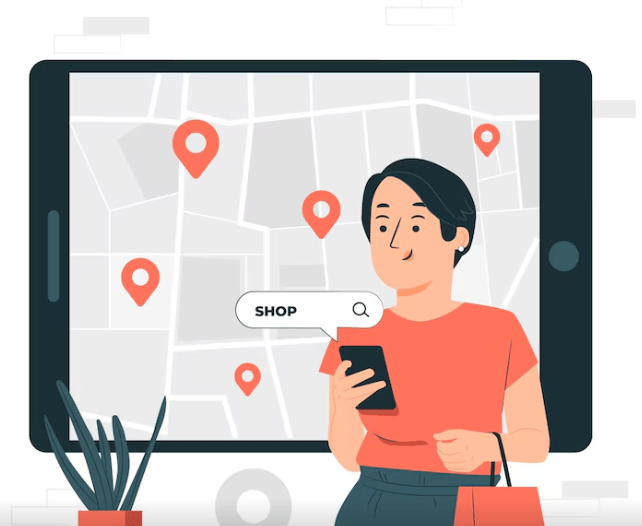
How to Leverage “Near Me” Searches for Local SEO?

Have you ever searched for something like “ice-cream near me” or “book shop near me”? If so, you’ve already experienced the power of “near me” searches. These searches connect people with local businesses quickly and easily. For businesses, it’s a golden opportunity to attract local customers. Using these searches can transform your local SEO strategy and lift your visibility in the digital world. With more people relying on their mobile phones for fast answers, businesses that focus on “near me” searches enjoy a clear advantage. Let’s look at what makes “near me” searches so important and how you can optimize your business to take advantage of this trend.

Basic Meaning of Local SEO

Local SEO is about making your business visible to people looking for products or services in a particular area. Unlike traditional SEO, which targets a broader audience, local SEO focuses on connecting you with nearby customers. For example, when someone searches for “cozy cafes in Chicago,” local SEO helps your business show up in their results. It is about making it simple for potential customers to find you, both online and offline. Local SEO involves improving several elements, including your website, your Google Business Profile (GBP, formerly Google My Business) and even your social media accounts. If you run a local business, mastering local SEO is essential to staying ahead in today’s competitive market.

Understanding the Significance of “Near Me” Searches

“Near me” searches have soared in recent years. Why? Because people want quick, convenient answers. Whether they’re searching for a dentist, a gym, or a bakery, they rely on these queries to find the best options close by. For businesses, this means being discoverable right when customers need you most. Google uses location data to match people with local businesses, and it can understand local intent even when the words “near me” are not typed, so optimizing for these searches helps you capture those leads. It’s not just about being found; it’s about being chosen.

The way people find local businesses is also shifting. BrightLocal’s 2026 Local Consumer Review Survey found that consumer use of AI tools such as ChatGPT for local business recommendations jumped from 6% to 45% in a year, making AI the third most common source of local recommendations after Google and Facebook. With more customers relying on mobile phones, voice assistants and AI tools, the demand for accurate, local results keeps growing.

Improving Your Local SEO

Create Local Content

Content tailored to your local audience can make a big difference. Write blog posts about local events, guides to your city, or stories about how your business supports the local culture. For instance, if you own a bakery, write about the best desserts to enjoy during local festivals. This kind of content attracts readers and also shows search engines that your business is relevant to the neighbourhood. Feature partnerships with other nearby businesses or share stories about your team’s involvement in local activities. The more you connect with your audience, the more likely they are to trust and choose you.

Local content doesn’t only mean websites. It can also include videos, social media posts, and event announcements. The goal is to position yourself as an essential part of the community. When you demonstrate your local expertise, you build a strong bond with your audience and improve your chances of appearing in local search results. Our content marketing strategy guide shows how to plan this.

Schema Markup

It may sound technical, but it’s easier than you think. Schema markup is a type of code added to your website that helps search engines understand your content better. For local businesses, LocalBusiness structured data can highlight important details like your address, phone number, business hours and services. When Google understands your business clearly, it is more likely to show your website in relevant “near me” searches. Note that if you control the reviews about your own business, Google does not show star ratings for them in search results, so don’t add review markup for reviews you publish on your own site.

To implement schema markup, you don’t need to be a coding expert. Many online tools and plugins can help you add it to your website. For example, if you’re a café, you can use markup to show your opening hours, location and menu pages. The more structured information you give, the easier it is for search engines to promote your business to potential customers.

Embedded Maps

Adding a map to your website is another simple but effective way to help customers. An embedded Google Map showing your business location makes it easy for customers to find you and reassures visitors that you are a real local business. For example, a café in downtown Denver can embed a map showing its exact location. A map is not a confirmed ranking factor on its own, but it improves the visitor experience, and the clearer your location is on every page, the easier it is for people and search engines to understand where you serve.

Embedding a map also provides convenience. Customers can tap it to get directions directly through Google Maps, making their journey to your business seamless. Make sure your map is accurate and easy to find on your site. Place it on your contact page or homepage for maximum visibility. This small step can make a big difference in attracting foot traffic to your business.

On-Page Content

Your website’s content should be clear and focused on your locality. Use keywords that include your city, neighbourhood, or district. For example, instead of saying “We sell fresh flowers,” say “We sell fresh flowers in Brooklyn.” Mention landmarks or well-known places close to your business to make your content more location-specific. This helps both customers and search engines understand where you are and what you offer. Always keep your content easy to read and engaging, and avoid stuffing the page with repeated place names.

Don’t stop at keywords. Update your content regularly to reflect seasonal events, promotions, or changes in your offerings. This keeps your site fresh and useful, which search engines favour. Include high-quality photos and videos of your products or services to make your pages more engaging. A visually appealing site can keep visitors on your page longer, increasing the chances of conversion. If you serve more than one area, create a separate, unique page for each real location rather than copying the same page with a different city name, which Google treats as doorway abuse.

Backlinks from Local Directories

Local directories are like online address books for businesses. Getting your business listed on these directories can improve your local SEO significantly. Examples include Yelp, Apple Business Connect, Bing Places, Justdial (in India) and industry-specific directories. Make sure your business name, address and phone number are accurate and consistent across all platforms. If a directory allows customer reviews, encourage your satisfied customers to leave feedback. Links from reputable local directories show search engines that your business is trustworthy and relevant. Accurate listings matter even more now, because AI tools often pull business details from these sources.

The more high-quality backlinks you have, the stronger your website’s position becomes. Team up with other nearby businesses to exchange mentions or sponsor community events to get featured on local websites. Avoid buying links, which goes against Google’s policies. These efforts build your online presence and strengthen your ties to the community. If you want expert help, compare our SEO packages.

Read more: Choosing the Best Local SEO Company in India: A Comprehensive Guide

Optimize Your Google Business Profile for “Near Me” Searches

Your Google Business Profile is your best friend when it comes to “near me” searches. Claiming and optimizing it is a must. Include your business name, address, phone number, website and photos, and use your real business name without added keywords. Pick the right primary category for your business and add a detailed description. Keep your hours updated, especially during holidays. Google uses this business information to match your business with local searches. The more complete and accurate your profile is, the better your chances of appearing in those sought-after “near me” results. A professional local SEO service can manage this for you.

A well-optimized profile can also include products, services, FAQs, posts about promotions and even booking links. Use high-quality photos to showcase your products, services and the atmosphere of your business. Regularly update your profile with news or events to keep it active. An active profile signals to Google that your business is engaged and ready to serve customers.

Encouraging Reviews

Customer reviews play a huge role in local SEO. Positive reviews build trust and also boost your visibility in search results. Ask your happy customers to leave reviews on Google, Yelp, or other relevant platforms. Respond to reviews, both good and bad, to show you care about customer feedback. The more recent reviews you have, the more likely you are to attract new customers. Remember, genuine reviews make a difference, so never fake them, and don’t offer rewards in exchange for reviews, since Google’s guidelines prohibit fake and undisclosed incentivized reviews.

Reviews also give valuable insights into what your customers love about your business and areas where you can improve. Use this feedback to refine your offerings and customer experience. A business with a strong review profile is more likely to stand out in a crowded market. Make leaving reviews easy by giving customers links or QR codes that lead directly to your review pages.

End Note

Using “near me” searches for local SEO isn’t just a smart strategy; it’s essential. By creating local content, using schema markup, adding maps and optimizing your Google Business Profile, you can connect with nearby customers more effectively. Encouraging reviews and building links from local directories add extra strength to your efforts. Local SEO is about showing up where it matters most: in front of your local audience. Start implementing these tips today, and watch your business grow right where you are.

Remember, local SEO is not a one-time task. It requires steady effort and regular updates. Stay engaged with your community and keep your online presence active. As you build trust and visibility, your business will become the go-to choice for customers searching “near me.” Ready to get started? Get a free website analysis from SEO India Online or contact us today.

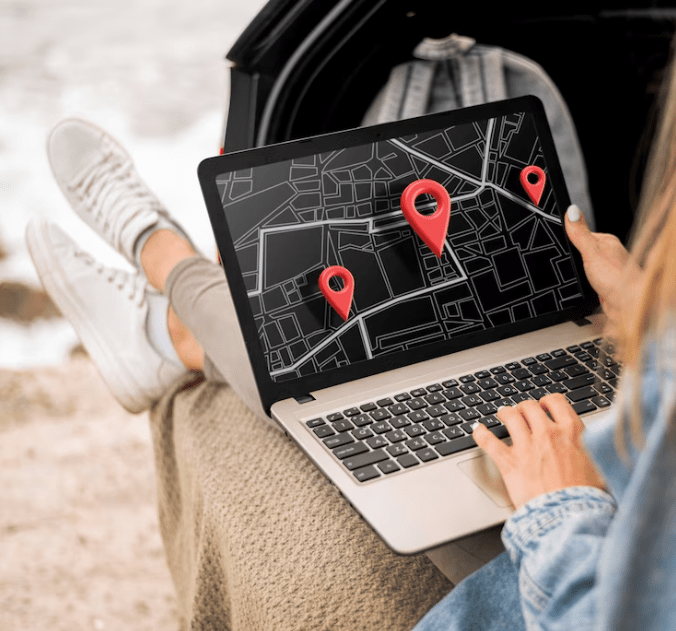
The Importance of Local SEO

Local SEO is essential for businesses that want to reach customers in their area. Whether you run a physical store, a service-based company, or a multi-location business, showing up in local search results can directly impact your visibility, foot traffic, and sales. Local SEO goes beyond optimizing for keywords. It includes managing your Google Business Profile, earning local backlinks, generating positive reviews, and ensuring consistent business information across the web.

Why Local SEO Matters?

Let’s take a closer look at why Local SEO matters and how it can help your business grow.

1. Increases Local Visibility

Most people search for services near them using terms like “auto repair near me” or “best dentist in [city].” Local SEO helps your business appear in these search results, especially on Google Maps and in the local pack—the top results shown with map listings. Without local SEO, your business could miss out on high-intent customers searching nearby.

2. Builds Trust with Online Reviews and Local Signals

Reviews, location-specific content, and local citations all signal to Google that your business is trustworthy and relevant to a particular area. A strong local SEO strategy includes collecting and responding to reviews, getting listed on reputable directories, and creating content tailored to your service area.

3. Helps You Show Up in AI-Powered Search Results

With AI-based tools like Google’s Search Generative Experience (SGE) changing how people find information, your business needs a strong presence across local platforms. Google pulls data from your website, reviews, and trusted listings to generate these AI-driven summaries. A well-rounded Local SEO strategy improves your chances of being featured in these results.

4. Drives More Relevant Traffic and Leads

Local SEO focuses on targeting people in your area who are actively looking for your services. That means more qualified leads and better chances of converting visitors into customers. Combined with tools like Google Business Profile and location-based landing pages, it helps you connect with users at the right time.

5. Supports Your Business Across Multiple Locations

If your business serves multiple cities or neighborhoods, Local SEO allows you to create optimized pages for each area. These pages can rank individually for their respective local searches, helping you build a broader presence without competing against yourself.

How to Strengthen Your Local SEO Strategy

Local SEO is essential for businesses that serve specific geographic areas, whether you run a brick and mortar store or provide services across multiple cities. A strong local SEO strategy doesn’t just increase your visibility; it builds trust, authority, and long-term relevance in your community. To get the most out of Local SEO, consider these proven steps:

  1. Claim and Optimize Your Google Business Profile

While local SEO goes far beyond Google Business Profile (GBP), this platform is your foundation. It plays a vital role in how your business appears on Google Maps, in local packs, and within the AI-generated search overviews.

Steps to optimize your GBP effectively:

  • Verify your profile: Ensure your listing is verified by Google to appear in local results.
  • Add accurate business info: Fill in your name, category, address, contact number, website, and business hours.
  • Upload high-quality visuals: Share real photos of your store, staff, or services to increase engagement.
  • Use relevant keywords in your description: Focus on local terms users might search, such as “auto repair in Delhi.”
  • Enable messaging and Q&A: Make it easy for customers to connect with your business in real time.

A fully optimized GBP not only improves visibility but also feeds data into Google’s AI systems, which power local snippets and AI Overviews.

  1. Keep Business Information Consistent Everywhere

NAP (Name, Address, Phone number) consistency is critical for local SEO. Google uses this data to validate your business’s legitimacy. Inconsistent information across the web confuses both users and search engines, potentially damaging your rankings. Ensure your name, address, and phone number (NAP) are exactly the same across your website, directories, and social media platforms.

Tips for maintaining NAP consistency:

  • Audit all business listings across platforms like Yelp, Justdial, Sulekha, Bing Places, Facebook, and niche-specific directories.
  • Use the exact same spelling, formatting, and order of your NAP data everywhere.
  • Sync updates across platforms if you change your phone number, address, or business hours.

Even small differences (like “Rd.” vs “Road”) can impact how search engines interpret your listings. Use citation management tools like BrightLocal or Whitespark if you’re managing multiple locations.

  1. Earn Local Backlinks and Citations

Local backlinks and citations work as signals of trust and relevance. When credible local websites mention or link to your business, it tells search engines that your business is part of the local community.

Strategies to earn valuable local citations and links:

  • Submit your business to trusted directories (e.g., IndiaMart, TradeIndia, Yellow Pages India).
  • Collaborate with local bloggers, influencers, or news websites.
  • Sponsor local events, charities, or contests and get mentioned on their websites.
  • Join your local Chamber of Commerce or trade associations and get listed.

Also, structured citations (business listings with consistent NAP data) boost your prominence, while unstructured citations (mentions in local blogs, news, or press releases) help improve local relevance.

  1. Create Location-Specific Content

Location-based content helps search engines understand the geographic area you serve. It also appeals to users looking for nearby services or solutions.

Best practices for local content creation:

  • Create city-specific landing pages that include local keywords, maps, testimonials, and contact info.
  • Write blog posts about local events, news, or FAQs—for example, “Top 5 Auto Repair Tips for Delhi Winters.”
  • Use structured data markup to tag addresses, reviews, and services.
  • Embed Google Maps on your location pages to reinforce local signals.

Such content helps you rank for “near me” searches, voice search queries, and localized AI search answers.

  1. Ask for and Respond to Reviews

Online reviews directly impact both local rankings and user trust. They’re also a key component of Google’s EEAT guidelines (Experience, Expertise, Authority, and Trust).

How to build and manage a strong review strategy:

  • Send post-service follow-ups asking satisfied clients to review your business on Google.
  • Use platforms like Trustpilot, Yelp, or Facebook alongside Google reviews.
  • Always respond to reviews—thank users for positive feedback and handle negative ones calmly and constructively.
  • Highlight great reviews on your website and location pages.

Google not only reads the quantity and quality of your reviews but also how you engage with customers. High engagement signals a responsive, customer-focused business.

Conclusion

A strong Local SEO strategy helps your business stand out where it matters most, right in your community. By combining efforts across Google Business Profile, local content, directories, reviews, and AI-focused search trends, you can create a sustainable and competitive online presence. Whether you’re a small local shop or a growing multi-location brand, investing in Local SEO is key to long-term visibility and success.

If you’re looking to grow your business locally with expert guidance, partnering with a trusted Local SEO Company in India like SEO India Online can make all the difference.

Local SEO For Small Businesses: Top Ways to Gain Visibility

Local SEO for small businesses means making your website more visible in local search results, like when someone nearby searches for “bakery near me” or “plumber in [city name].” It helps people in your area find you online, especially when they’re ready to make a purchase or contact you. For small businesses, this is a smart way to attract more foot traffic, phone calls, and genuine customers without incurring significant ad expenses.

At SEO India Online, we focus on Local SEO for small businesses by using proven strategies—such as Google Maps SEO, content marketing, and on-page optimization—to help you appear higher in local search results. This means more visibility, more calls, and more people walking through your door.

Why Local SEO Matters for Small Businesses

  • Local Customers Are Already Searching Online

Most people now search online before visiting a local store or service. “Near me” searches have become a daily habit for customers seeking quick and reliable options. If your business isn’t showing up, you’re missing real opportunities.

  • Local SEO for Small Business Means Higher Conversions

People searching locally are often ready to buy or contact. These leads typically convert more quickly than those from general ads. By focusing on Local SEO for Small Business, we help you reach the right people at the right time.

  • Online Reviews Build Trust

When your business appears on Google with solid reviews, it builds instant trust. At SEO India Online, we help you gather positive reviews and manage responses, allowing your reputation to grow in tandem with your visibility.

  • Google Maps Can Drive Foot Traffic

Appearing in the top spots on Google Maps can bring real people to your door. Through our Google Maps SEO services, we ensure your business is easily discoverable.

  • Your Business Deserves to Be Seen Locally

Local SEO for Small Business is not just an option—it’s a smart move. We make it simple and effective for you to grow locally and get noticed.

Proven Strategies to Improve Your Local SEO

  1. Google Business Profile Optimization

Creating and verifying your Google Business Profile is one of the first stages in Local SEO for Small Businesses. We guarantee the accuracy and consistency of your company’s name, address, and phone number (NAP) across all platforms. Customers will find and trust your business more if you choose the appropriate business categories, post good images, include your hours, and keep all of your information up to date.  At SEO India Online, we guide you through this procedure to enhance and strengthen your profile’s credibility.

  1. Local Keyword Targeting

Using the right local keywords is key. We research and find geo-targeted keywords your customers are searching for. Tools like Google Keyword Planner and SEMrush help us choose innovative options. We then use these terms naturally in your website content, titles, and headings. Our approach to Local SEO for Small Business focuses on connecting your service with real local search intent.

  1. On-Page Local SEO Optimization

We ensure your website displays your location where it matters. This means updating title tags and meta descriptions with your city name, creating pages for each service area, and embedding Google Maps on your contact page. These small changes can make a big difference in helping people nearby find you online.

  1. Create Local Website Content

We create valuable, area-based content that speaks directly to your local audience. Whether it’s landing pages for each city you serve or blog posts that mention your neighborhood, we naturally use local keywords. Sharing customer stories, testimonials, and regional success cases helps build trust. This content plays a significant role in Local SEO for Small businesses.

  1. Build Local Citations

Citations are mentions of your business name, address, and phone across trusted directories. We ensure your NAP (Name, Address, Phone) is consistent across platforms, including Yelp, Bing Places, and Yellow Pages. These listings help search engines trust your business. We also utilize innovative tools to track and manage these citations, ensuring that nothing slips through the cracks.

  1. Collect and Manage Customer Reviews

We encourage our satisfied customers to leave reviews on Google and other platforms. Responding to every review—good or bad—with professionalism builds credibility. These reviews don’t just help people choose your business; they also improve your visibility. As part of our Local SEO for Small Business plan, we guide you on how to stay proactive in managing feedback.

  1. Get Backlinks from Local Sources

Local links help your business stand out. We reach out to blogs, sponsor events, and connect with local websites that can link back to yours. Being mentioned on local news or directories shows search engines that your business is trusted in the area. It’s a simple yet effective part of the way we help your business grow locally.

Top Local SEO Tools for Small Businesses

  1. Google Business Profile Manager

This free tool is a must for anyone working on Local SEO for Small businesses. It helps manage how your business appears on Google Search and Maps. We use it to update business information, add photos, respond to reviews, and track insights, such as customer actions and search queries. Keeping this profile up to date and accurate plays a significant role in driving local traffic. At SEO India Online, we make sure your listing is fully set up and well-managed.

  1. BrightLocal

BrightLocal is one of our go-to tools for tracking local rankings, checking citations, and managing reviews in one place. It gives us detailed reports on how your business is performing in your area. For companies focused on Local SEO for Small Business, BrightLocal helps us spot what’s working and where we need to improve. It also makes review monitoring easier, allowing us to respond quickly and professionally.

  1. Moz Local

Moz Local helps keep your business information consistent across multiple directories. For Local SEO for Small Business, accuracy in listings is crucial, and this tool ensures your NAP (Name, Address, Phone) is consistent everywhere. It also monitors duplicate listings and updates your information across top platforms. We utilize Moz Local to maintain a robust local presence and ensure search engines trust your business.

  1. SEMrush Listing Management

SEMrush is known for its keyword research, but its listing management tool is equally valuable. We use it to distribute your business info to multiple directories and keep everything synced. It also helps us track local rankings and find keyword gaps. For small businesses, SEMrush supports solid Local SEO strategies that focus on long-term results. It works well in conjunction with our regular reporting and traffic analysis.

  1. Whitespark

Whitespark helps us identify high-quality local citation opportunities and manage them effectively. It’s beneficial for new businesses looking to build their local presence. We use it to research where your business should be listed and to track the impact of your listings on search visibility. For Local SEO for Small Businesses, Whitespark gives us the edge in building trust with both search engines and local customers.

Common Local SEO Mistakes to Avoid

  • Inconsistent Business Information

One of the most common mistakes we see in Local SEO for Small Business is having different business details across platforms. If your name, address, or phone number (NAP) varies on directories, search engines might not trust your listing. This affects your visibility in local searches. We Double-Check Every Platform To Ensure Your Information Is Consistent Across All Platforms. It’s a simple yet essential step that can make a significant difference in being found by local customers.

  • Ignoring Negative Reviews

If negative reviews are ignored, they might hurt your business. Many small business owners think ignoring them will make them disappear, but the truth is, silence speaks louder than words. At SEO India Online, we always suggest responding to all reviews—especially the unfavourable ones—in a kind and professional manner. This helps regain the trust of prospective clients who read your reviews and shows that you appreciate their opinions. One of the most important ranking factors for local SEO for small businesses is reviews. A considerate answer might help your local development initiatives and transform a negative image into a favourable one.

  • Duplicate Listings

Having multiple listings for the exact business location can create confusion for both search engines and potential customers. It often leads to outdated or mismatched information appearing online, which damages your credibility and trust. Search engines may even lower your ranking or flag the listing as suspicious. We regularly audit your online presence to find and remove duplicate entries across major directories. This helps keep your business details clean, verified, and consistent across all platforms. For effective Local SEO for Small businesses, avoiding duplicate listings is one of the simplest ways to stay accurate and trusted.

  • Lack of Local Content

A website without local content misses the chance to connect with nearby customers. Generic content won’t help your business stand out in your area. That’s why we focus on creating location-based pages, blogs, and customer stories. Local content builds trust and signals relevance to search engines. It’s one of the key parts of our Local SEO for Small Business services.

Final Thoughts

Local SEO for Small Business isn’t just an option—it’s a must if you want to be seen by customers nearby. Consistency is key: accurate listings, regular content updates, and genuine reviews all contribute to your growth. At SEO India Online, we believe in small steps that lead to real results. Keep showing up where your customers are searching—and let your local presence work for you.

Choosing the Best Local SEO Company in India: A Comprehensive Guide

Are you a business owner in India looking to grow your online presence and attract local customers? A well-designed local SEO strategy is essential in today’s competitive digital landscape. SEO India Online understands the unique challenges and opportunities in the Indian market and can help you navigate the complexities of local search engine optimization.

A strong online presence is important to the success of businesses in today’s digital age. Local SEO is one of the most effective ways to increase your awareness and attract local customers (Search Engine Optimization). Local SEO focuses on optimizing your website to make it more visible in local search results, allowing you to target potential customers in specific locations. If you are a business owner in India, you should partner with the best local SEO Company to increase your online success. In this blog, we will explore the factors to consider while choosing the best local SEO Company in India, highlighting the latest trends in local SEO, the Advantages of Local SEO and many others.

Understanding Local SEO:

Local SEO is a digital marketing strategy designed to improve your website’s visibility and ranking in local search engine results. When users search for local products or services on search engines like Google, the algorithm displays relevant local results based on proximity, relevance, and prominence. Do these things right, local SEO helps businesses attract local customers, drive targeted website traffic, increase brand visibility, and ultimately increase offline conversions.

Suggested Read: Top 10 SEO Lead Generation Tips to Grow Your Business

Benefits of Local SEO Services in India

Local SEO company offer many benefits for businesses aiming to increase their online visibility and attract local customers. Here are some of the significant benefits of investing in local SEO services in India.

Targeted Local Reach: Local SEO helps businesses target potential customers in specific areas. India’s diverse and extensive marketing enables local SEO companies to reach their target audience effectively. By optimizing your site for local keywords and using location-specific strategies, you can improve visibility in local search results and drive relevant traffic to your site.

Improved online visibility: Local SEO optimizes your online presence for searches, including Google Maps, local directories, and online search forums. Ensuring your business is listed accurately and consistently on these platforms increases exposure to potential customers actively searching for products or services in your area.

Improved Google My Business (GMB) presence: Google My Business is a powerful tool for local businesses in India. Local SEO services in India can customize your GMB listing by adding relevant information, such as your business address, contact information, opening hours, and customer reviews. This optimization helps your business appear more in Google’s local pack and knowledge panel, increasing the chances of attracting local customers.

Improved trust and credibility: Local SEO services can help build trust and confidence among your target audience. Good online reviews, accurate business information, and consistent NAP (name, address, phone number) listings on forums are all important contributors to credibility. When potential customers see that your business appears consistently in local search results, they are more likely to view your brand as credible and trustworthy.

Local SEO services in India

Mobile-friendly optimization: With the increasing use of smartphones in India, mobile search has become an important part of local SEO. Local SEO services in India ensure your website is optimized for mobile devices, provide a seamless user experience, and allow potential customers to find your business on the go easily.

Competitive advantage: Local SEO services help you stay on top of local search by improving your search engine rankings. With a well-designed local SEO strategy, you can beat your competition in local search results, get more visibility, and attract more local market share.

Cost-effective marketing: Local SEO agencies offer cost-effective marketing solutions compared to traditional advertising channels. With targeted strategies focused on attracting local customers, you can distribute your products more efficiently and achieve a greater return on investment (ROI).

Essential Local SEO Techniques for Indian Businesses

Local SEO strategies are important for Indian businesses aiming to increase online visibility and attract local customers. Implementing effective local SEO strategies can help companies in India stand out in the competitive digital landscape. Here are some important local SEO strategies specially designed for Indian companies:

Local keyword research: Conduct a comprehensive analysis to identify relevant local keywords that reflect the search behavior of your target audience in India. Include location-specific and long-tail keywords to optimize your website content and increase your chances of appearing in local search results.

Google My Business (GMB) Optimization: Charge and optimize your Google My Business listing. Provide accurate and up-to-date information about your business, including business name, address, and phone number and opening hours. Add high-quality photos, encourage customer reviews, and regularly update your GMB profile to improve your local SEO efforts.

Suggested Read: SEO Process Guide for Long-Term Search Success

Online directories and citations: Ensure your business is accurately listed in the major online directories and citations relevant to the Indian market. Consistent name, address, and phone number (NAP) information on these platforms help ensure your business is legitimate for search engines and improves your local search ranking.

Local Content: Create and optimize website content to cater to your local audience in India. Include location-specific keywords, mention local landmarks or attractions, and include references to Indian culture or the region of your business. This local content helps search engines understand how your business relates to local search networks.

Mobile-friendly optimization: With the high mobile usage in India, ensuring your website is optimized for mobile devices is important. Responsive design, quick loading times, and easy navigation on mobile devices contribute to a better user experience and can improve your search results on mobile search.

Localized link building: Create high-quality backlinks from local sources in India, such as local professional associations, directories, or regional websites. These localized backlinks help your business establish authority and improve visibility in local search results.

Social Media Engagement: Use popular social media platforms in India, such as Facebook, Twitter, Instagram, and LinkedIn, to connect with your local audience. Regularly post relevant and engaging content, respond to customer questions and comments, and actively participate in community conversations. These social media connections show your local relevance and can positively impact your local SEO efforts.

Online reviews and reviews: Encourage satisfied customers to give positive reviews and reviews on Google, Facebook, and other India-related review websites. Internet searches are important in influencing local purchasing decisions and can help intensify searches and increase trust in your business.

Use schema markup: Use schema markup to provide additional information about your business to search engines, such as hours of operation, customer reviews, product descriptions, and more. Using schema markup helps search engines understand relevant information and display it in local search results, making you more visible.

Monitor and analyze performance: Regularly monitor your local SEO performance using tools like Google Analytics and Google Search Console. Monitor your website traffic, keyword rankings, click-through rates, and other relevant metrics. Analyzing this data helps you identify areas for improvement and fine-tune your local SEO strategies long-term.

On-page optimization for local SEO

On-page optimization is an important aspect of local SEO, which involves optimizing various elements on your website to improve its visibility in local search results. Using on-page optimization techniques, you can give your website local search relevance and increase the chances of attracting local customers. Some on-page optimization techniques are important; Target local keywords, optimize page titles and meta descriptions, create specific landing gear, optimize NAP (name, address, phone number) information, optimize URL structure, focus on the user experience, and incorporate local content.

On-page optimization for local SEO requires a detailed understanding of your target audience, local keywords, and unique aspects of your business. With these on-page optimization techniques, you can get your website visible in local search results, attract local customers, and increase your chances of winning business in a location you’ve got your eyes on it.

Local Citation Building

Creating local credentials is an important part of local SEO which involves creating and building online listings of your business on various platforms, such as local newsletters, review websites, and social media meetings. These credentials include your business name, address, and telephone number (NAP). , and other related matters. Local certifications improve online visibility, increase searchability, and attract local customers. Here are important considerations for effective community witnessing:

Continuity is key: Continuity in your business’s NAP content is essential in all citations. Ensure your business name, address, and phone number are listed accurately and consistently on every platform. Even minor differences, such as changes in abbreviations or misspellings, can negatively affect your local search rankings. Check your job listings carefully and use them as a reference when creating or updating citations.

Start with Google My Business (GMB): Create and optimize your Google My Business listing. Complete all required information, including your job scope, hours, description, and photos. Include a local phone number and a link to your website. Review and update your GMB inventory regularly to ensure accurate and current information. GMB is an important citation source and greatly affects your local search visibility.

Use local sites: Submit your business profile to reputable local sites related to your industry or specific area. Look for guides who are famous and trusted by your target audience.

Optimize your social media profiles: Create or say profiles related to your business and location on social media platforms. Platforms like Facebook, Twitter, LinkedIn, and Instagram allow you to add information about your business and link to your website. Ensure your NAP description is consistent across all social media profiles, and provide a brief description of your work. Use these platforms to engage with your audience regularly to increase your online presence.

Online review platforms: Encourage satisfied customers to leave positive reviews on popular online review platforms. Good reviews help build your business’s reputation and act as citations. These reviews and your business profile appear in search results, attracting potential customers.

Suggested Read: A Guide to National SEO – What is & How To Do

Local trade associations and associations: Join local or industry-specific associations in your area. Many of these organizations have web directories or lists of members, which can be valuable citations. Connecting with reputable local organizations can build credibility and visibility in the community.

Review and update quotes: Regularly review your existing quotes for accuracy and consistency. Check for changes to your job profile or duplicate or incorrect listings. Update or fix discrepancies immediately to ensure search engines have the most accurate information about your business.

Remember that local citation creation is an ongoing process. Keep looking for new citation opportunities and update and maintain your existing testimonials. Creating and optimizing local testimonials can improve your online visibility, increase your local review rate, and ultimately attract more local customers to your business.

Factors to consider when selecting a local SEO provider

When choosing a Local SEO Company in India, it is important to consider several factors to ensure that you choose a reputable and effective company that can meet the specific needs of your business. Here are some key things to consider when choosing a local SEO provider:

Experience and Experience: Look for a Local SEO Company in India with a proven track record and extensive experience in the industry. Consider their longevity and success in improving local search firms. A provider with an understanding of local SEO strategies, optimization techniques, and local search algorithms will be well-prepared to deliver

Client portfolio and case studies: Review the provider’s client portfolio and case studies. Look for jobs in the same industry or with similar goals. Look at the provider’s results and whether they meet your expectations. This gives you an idea of ​​the supplier’s ability and ability to deliver tangible results to the customer.

Names and reviews: Find out the importance of a local SEO service by reading reviews and testimonials from their clients. Look at online sources like Google My Business, Yelp, or industry-specific review websites and gather reviews from previous clients. A provider with good impressions and a strong reputation is more likely to deliver better services and customer satisfaction.

Services offered: Check out the various services offered by Local SEO Company in India. See if their offering matches your specific needs. Local SEO includes multiple things, including website optimization, content creation, citation creation, Google My Business optimization, review management, and more. Ensure the provider offers the services to meet your local SEO needs best.

Customization and Strategy: A reputable Local SEO Company in India should be able to create a strategy tailored to the specific needs of your business. Avoid those who offer a one-size-fits-all approach. Look for a provider who takes the time to understand your business, target audience, and competitors to develop a comprehensive and personalized local SEO strategy.

Transparency: Transparency is important when choosing a Local SEO Company India. Ask them about the reporting practices and metrics they follow to measure progress and success. A trusted provider should be able to report regularly and communicate clearly about their work, results, and any challenges they face.

Communication and support: Consider provider communication channels and availability. Clear and effective communication is essential to a successful partnership. Ensure they listen to questions, provide progress updates, and are available to address any concerns or questions you may have throughout the engagement.

Price and ROI: Look at the pricing structure of the local SEO services. Compare their prices to services and expected return on investment (ROI). While cost is important, remember that sometimes the least expensive option can yield the best results. Find a provider that balances affordability with value for money.

Considering these factors, you can choose a Local SEO Company in India that matches your business goals and can effectively improve your online visibility, attract local customers, and drive business growth.

Step-by-step guides for implementing local SEO strategies

Here is a step-by-step guide to help you implement local SEO strategies for your business:

Step 1: Keyword analysis

Choose local keywords that are relevant to your business and target audience. Consider using tools like Google Keyword Planner or SEMrush to find locally relevant keywords with high search volume.

Step 2: Optimize your website

Customize your website’s meta tags, including title tags, Meta descriptions, and header tags with local keywords. Ensure your website content is relevant, informative, and includes location-specific information.

Step 3: Create a Google My Business (GMB) Listing

Search and verify your business on Google My Business. Provide accurate and complete information, including your business name, address, telephone number (NAP), website URL, business hours, and photos. Optimize your GMB listing with the right categories, attractive descriptions, and high-quality images.

Step 4: Create a local quote

Submit information about your work to local directories and relevant citation sources. Ensure all citations are consistent, including NAP descriptions, categories, and job descriptions.

Step 5: Online research and reputation management

Encourage customers to leave reviews on platforms like Google, and industry-specific review websites. Respond promptly to positive and negative comments to demonstrate customer engagement. Monitor and maintain your online reputation to build credibility and trust.

Step 6: Local production

Create locally relevant content that addresses the needs and interests of your target audience. Write blog posts, articles, or guides about local events, news, or topics relevant to your industry. Optimize local keywords and share them on your website and social media platforms.

Step 7: Schema markup

Use local business plan icons on your website to get your business data listed for search engines. Include the business name, address, phone number, opening hours, and reviews. Schema markup helps search engines understand and display your content more accurately in search results.

Step 8: Mobile optimization

Ensure your website is mobile-friendly and offers a seamless user experience across devices. Optimize page load speeds, use responsive layouts, and ensure buttons and links are easy to click on mobile devices.

Step 9: Community link building

Build relationships with other local businesses, organizations, and influencers to generate local backlinks. Participate in community events, support community initiatives, and collaborate with local influencers or bloggers to increase your online visibility and build community connections.

Step 10: Track and analyze the results

Monitor your local SEO services efforts using tools like Google Analytics and Google Search Console. Monitor organic search traffic, keyword rankings, and customer engagement. Analyze the data to identify areas for improvement and adjust your process accordingly.

Remember, local SEO services are an ongoing process, and staying up to date with the latest trends and algorithm changes is important. Regularly measure and adjust your local SEO strategy to ensure it effectively attracts local customers and grows your business.

Local SEO Schema – How to Add Local Business Schema

You want to distinguish yourself in your market as a local company owner and connect with locals. It may be challenging to differentiate in the crowded internet marketplace. However, if done correctly, your webpage and advertising should represent your objectives and support your efforts to attract additional clients.

Local business schema is a technological marketing option that may help you improve your website’s reputation. It facilitates both the analysis of your website by search engines and the discovery of you by clients.

In this article, you will find out how the local schema works.

Describing Local Business Schema

To make it simpler for search engines to understand what kind of organization you are and the goods or services you offer, the local business schema is a type of organized data markup code that may be applied to your company’s website.

To comprehend and present data more effectively, search engines developed schema markup. Schema markup may help you optimize your webpage for local SEO, which determines how your page is ranked in SERPs. This can be advantageous for your business.

Here are some important definitions for you:

  • Schema – Search engines developed the markup language known as schema.
  • Better outcomes – Search engines’ visually attractive snippets are made with your info.
  • SD – SD stands for structured data, the data you provide to search engines to classify your website.

SEO and Local Business Model

To ensure that you can naturally rank at the top of search results, search engine optimization involves adjusting your webpage for search engine algorithms. In addition, link building, web design, and other digital strategies are used in SEO services and keyword research and implementation.

Your website’s SEO may benefit by adding local business schema. Google or some other search engine can connect your webpage with potential when they look for relevant keywords when you add information about your company and area.

Providing Google with this data enables them to present you to your core demographic, who will be more inclined to convert. Although SD isn’t a ranking factor officially, it can enhance other factors that eventually help SEO.

Also, Read – SEO Reseller – What is, Benefits, Pricing

Steps to Implement Local SEO Schema

To add local SEO schema to your webpage, follow the steps below.

  1. Determine The Nature Of Your Company

Select the classification that best fits your company. The Organization or LocalBusiness schema tags can be used if there isn’t a precise match. Then choose the sameAS attribute to add a related Wikipedia or Wikidata object that elaborates on your company.

  1. Add content to your “About Us” Page

Create a business page now if you don’t already have one. If you do, you should update it. Ensure that the text is simple for site visitors and include as many or as few related schemas attribute as necessary to tell search engines about your company effectively. Again, focus on SDs and incorporate them as much as you can.

  1. Add, Test, And Release Your Code

To check how your code may affect your rich results, use Google’s Rich Results Test. Additionally, you may validate your code or URL using the Schema validator. Once you’re happy with the detailed findings, you may either manually put your code to the HTML of your website or utilize a schema program, hosted UI, or plugin.

  1. Next, Crawl Your Website And Check Your Schema

To see any problems or areas that need improvement, enter your domain name or URL prefix. Then, continue tracking your schema’s outcomes and implementing any revisions. As Google modifies its methodology to schema and if something in your company listing changes, you will probably need to perform this procedure again.

You can track traffic and observe how your webpage or domain is doing using Google Search Console.

  1. Keep Your Website Updated

Your chances of ranking well on search engine results pages will be most excellent if you adhere to current Google standards (SERPs). As Google rolls out new schema changes and removes older ones, your information or organization may need to alter. Make sure your site is operating well by continuing to test it occasionally.

To keep the content fresh, update your schema as soon as your company makes any alterations or additions. This action will assist clients in finding information as quickly as possible and guard against lost opportunities.

Also, Read – Top 10 Must-Have SEO Tools

Optimum Techniques For Adding Local SEO Schema

To cover all bases, apply the following advice regardless of whether you deploy your schema directly or through a third-party provider:

  • Mark up Every Place You Have: If you have several sites, be sure to provide details about each one. You can reach the correct visitors by creating various location pages with distinctive schema.
  • Continue using Google: Websites employ numerous SD types and attribute that Google doesn’t recognize, like Schema.org. For the best results, follow Google’s local business SD recommendations.
  • Keep Evaluations Distinct: Each of your website’s pages can include reviews. However, it’s preferable to vary them on every page or to use them on a few.

 Advice on How to Manage Current Schema Markup

Sadly, because schema markup is constantly changing, you can’t just set it and forget it. Beyond merely your homepage markup, it has endless potential. So here is some advice on handling your current markup and future experiences.

  • Keep Your Localbusiness Schema Markup Updated

It’s crucial to modify your schema markup in response to changes to your website’s content and Google’s guidelines. For example, Google just started updating its “What’s new” page with modifications about structured data. You can keep abreast of any changes by keeping a watch on this.

Google’s Webmasters Blog is another fantastic resource. You may sign up through email to receive all the most recent news in your inbox.

  • Increase the Scope of Your Local Business Schema

Understanding what schema is just the first step. Next, you must start exploring more to get the most out of your business.

 Conclusion

For “LocalBusiness” markup to qualify for rich results in search, Google provides documentation outlining the specific requirements. For your material to be qualified for presentation as a rich result, you must fill out the necessary characteristics stated in the specification.

You may improve the user experience by adding additional information to your structured data with recommended characteristics. We advise you to look up the definitions of any kind that apply to your company on schema.org to be sure you’re using the correct type.

How to Add, Edit, or Remove Google Reviews

Whether you run a local business or an online store, Google Reviews can be a valuable asset in boosting your reputation and ranking higher in search results. Potential customers are often influenced by online reviews when making purchasing decisions, so it’s important to make sure your business is represented well.

In this article, we’ll show you how to add, edit, remove Google reviews, or delete negative Google reviews so that your business looks its best. Before we dive into how to perform these important tasks, let’s look at what is a Google review.

What are Google reviews?

Google reviews are public opinions about businesses, products, or services written by customers and shared on Google My Business and Google Maps. When customers search for businesses on Google, they’ll often see relevant Google reviews displayed alongside the business listing.

What are Google reviews

Google reviews can be useful for both customers and businesses. For customers, reviews provide valuable insights about businesses before they make a purchase. For businesses, reviews can help improve your SEO (search engine optimization) and online visibility.

If you’re not already monitoring your business’s Google reviews, now is the time to start. These reviews help businesses build credibility and improve customer trust. In this article, we’ll show you how to add, edit, and remove bad reviews.

How to add Google reviews?

To leave your review to any business, you need to sign in to your Google account. Once you’re signed in, follow these steps:

  1. Find the business on Google Maps or Search.
  2. Click on the name of the business to open its Google My Business page.
  3. Click on the “Write a review” button.
  4. On the next page, select the star rating you want to leave for the business and write your review.
  5. Click on the “Post” button to publish your review.

If you don’t have a Google account, you can still leave a review as a guest. To do this, follow these steps:

  1. Find the business on Google Maps or Search.
  2. Click on the name of the business to open its Google My Business page.
  3. Click on the “Write a review” button.
  4. On the next page, click on the “Sign in with Google” button.
  5. You’ll be asked to sign in or create a new Google account.
  6. Once you’re signed in, you can leave your review.
  7. Click on the “Post” button to publish your review.

Also Read – SEO is definitely not dead in 2022: The Road Ahead for Web Search

How to edit or remove bad Google reviews?

It happens many times that a customer leaves a bad review on your Google My Business page due to some misunderstanding. As a business owner, you can’t delete such reviews but you can respond to them. Responding to a bad review is the best way to turn a negative into a positive.

However, if you’re a customer and initially gave them a negative review and now you’ve decided to delete negative Google reviews, it’s also possible. All you need to do is sign in to your Google account and follow these steps:

  1. Find the business on Google Maps or Search.
  2. Click on the name of the business to open its Google My Business page.
  3. Find the existing review that you want to delete and click on the three dots next to it.
  4. Click on the “Delete” button.
  5. On the next page, click on the “Delete” button again to confirm.

If you don’t have a Google account or can’t sign in for some reason, you can’t delete your review. In this case, you can flag the review as inappropriate and Google will take action if they deem it necessary.

What happens when you delete negative Google reviews?

When you remove Google reviews that are abusive, violate policies, or are otherwise deemed inappropriate, Google may take action against the reviewer. This action could include anything from banning the reviewer from leaving future reviews to suspending their Google account.

However, if you’re a business owner and you remove bad reviews that don’t violate any policies, Google is more likely to take action against you. This could include anything from removing your business listing from Google to suspending your Google My Business account.

It’s important to understand what makes it really important to remove bad reviews from Google. This way you can take the necessary steps to protect your business and avoid any potential penalties from Google.

Bad reviews can negatively impact your business in many ways. They can hurt your reputation, lower your search ranking, and decrease customer trust. In some cases, bad reviews can even lead to legal action.

Therefore, it’s important to take steps to remove a remove bad Google review. This way you can protect your business and avoid any potential penalties from Google.

How to optimize your Google Business Profile?

Once you remove bad Google review and now plan to optimize the business profile of your company, we’re here to help. Here are some effective tips that you can implement to keep your business listing optimized and Search engine-friendly. Whether you hire a local SEO company in India or manage your listing by yourself, you need to know these effective tips.

Google Business Profile

Keep the content information updated:

The first and most important thing is to keep the information on your business listing accurate and up-to-date. This includes your business name, address, phone number, website URL, and business hours. If any of this information changes, make sure to update it on your listing as soon as possible. This way you can avoid confusion for customers and make it easier for them to find your business.

Add photos and videos:

Another excellent method to optimize your enterprise listing is to add photos and videos. Customers love seeing photos and videos of businesses, so this is a great way to make your listing more engaging. You can add photos of your products, services, store, or office. You can also add videos that show off your business or explain what you do. Adding more images or videos helps you gain higher trust and credibility with potential customers.

Get more reviews:

One of the best ways to optimize your business listing is to get more positive reviews. Reviews help show customers that your business is credible and trustworthy. They also help improve your search ranking on Google. To get more reviews, you can ask your customers to leave a review after they make a purchase or use your service. You can also offer incentives, such as discounts or coupons, to customers who leave a review.

Respond to negative reviews:

If you do get a negative review, it’s important to respond to it in a positive and professional manner. Your efforts towards improving the service shows your customers that you’re keen to listen to feedback and make changes. It also helps build trust and credibility. When responding to a negative review, you should always stay calm and avoid getting defensive. Rather than this, focus on solutions that can be implemented to make the situation better.

Verify all your locations:

If you have multiple locations, it’s important to verify each one separately. This helps ensure that customers can find the right information for each location. You can verify your locations by going to the “Google My Business” page and clicking on the “Locations” tab. From there, you can select the location you want to verify and follow the instructions.

Promote your business listing:

Once you’ve optimized your business listing, you can start promoting it to get more customers. You can promote your listing by sharing it on social media or sending it out in email marketing campaigns. You can also add a link to your listing on your website. These are just a few ways to promote your business listing and attract more customers. When you start sharing your business profile, you’ll be surprised how many people will take notice.

These are just a few of the many ways you can optimize your business listing on Google. By following these tips, you can help improve your search ranking, build trust with potential customers, and get more positive reviews.

Also, Read – How To Produce SEO Friendly Content

Wrapping up!

Dealing with negative or irrelevant reviews on your business profile can be really frustrating but don’t worry, there are ways to remove them. By following the tips above, you can keep your business listing optimized and Search engine-friendly.

If you don’t have an in-house team, you can hire an SEO company in India that specializes in local SEO to help you with your Google My Business listing. They can help you optimize your listing and get more positive reviews.

You need to do your own research to find the best SEO agencies as there are a lot of them out there. Once you find a perfect fit for your business, get a personalized quote and see what services they can offer you. Hiring an agency is a great way to get help with your local SEO, but it’s not the only option. There are also a lot of great resources, like books and online courses, that can teach you how to optimize your business listing.

The Basics of Local SEO And How A Business Can Optimize For It?

Google or any other search engine provides the best, relevant answers for any user search query. Advanced search engines such as Google can understand search intent easily and provide relevant answers in a matter of seconds. When you’re looking for nearby services, Google or any other search engine presents the results in a specific way.

This blog will discuss how the searches work when you’re looking for local SEO services or services that you can get near to your location. The blog will look extensively into how Local SEO works and how businesses can optimize for it. It’s also a good stepping stone for anyone who wants to learn about Local SEO and how it works.   


What Is Local SEO And Why Should A Business Know About It?

Local SEO allows small businesses to attract customers that are close by with the help of organic, or unpaid digital marketing. It’s a great opportunity for small businesses to be more visible in the local search results.

Within a geographical area, a business can dominate the searches if it optimizes itself for the local search. The local search organically can be dominated with the right Local SEO tactics. Local SEO can involve a business optimizing for the Google Business Profile, website analysis, NAP syndication, local listing management, and more.   

Therefore, with these right tactics, a business can rank higher on local searches. With the higher rankings for local searches, a business becomes more visible to local users allowing people to visit their website. With frequent website visits, the traffic increases, leading to further engagement and allowing the business to convert leads into sales.

With Local SEO packages, local businesses also get a chance to get more in-store visits. Think about it, the more you appear on local searches on the web, the easier an individual can contact you and reach you physically. As a matter of fact, as per Forbes,  72% of consumers who search local businesses online end up visiting the store within a five-mile radius. Therefore, local search work and businesses constantly have to up their game to beat the competition.

How Does Local SEO Work And  What Are The Tactics Involved?

Local SEO takes into consideration your location and then presents the results. However, if you specifically type a location name or type near me in the search it becomes more evident. For non-stated local searches, Google considers the current physical location of the searcher and then presents the results.

So, local search can vary as per the location. If you search for pizza near your home, the businesses that Google will pick will be different from when you order pizza from your office. The location changes and so do the results. With the rise in mobile usage, Local SEO has become more relevant than ever.

With Local SEO, businesses get a chance to appear for local as well as organic search results. Here look at the image which depicts local and organic search results:

Source: An image showing the different types of search results, i.e. Organic, Local, and Paid

The image shows different search results. With Local SEO, businesses can appear for organic, as well as Local results. To appear for the local results, a business can take several SEO tactics some of which are discussed below:

1. Create And Optimize For Google Business Profile

Businesses get an opportunity with Google Business Profile to appear for local results. Google allows businesses to appear for local searches with the help of this platform. Create a GBP profile and fill in the right information. Make sure the information is as precise as possible as that’s how the customers will find your business. Your business also starts appearing in Google Maps from where customers can reach your store physically. Create, and update content as frequently as possible for GBP.

2. Be On Local Search Directories

Local Directories still hold value and being a local business you need to be on them and maintain those profiles. Certain local directories are known for a specific domain. Some are more general or for all businesses, such as Sulekha. The point here is businesses need to find as many local, relevant directories and create a profile on them.

Doing so allows businesses to create links, or profiles on other websites so that they can maximize their reach. Filling out information, and maintaining those profiles can help businesses spread their reach. A business must always be consistent with its information. All businesses need to have NAP consistency. NAP stands for Name, Address, Phone Number, and consistency with these three parameters on all the online profiles is paramount. It is through these three parameters relevant customers find businesses, so if you’re a business owner be careful while filling in your business information and maintain consistency across all platforms or websites.   

3. Manage Your Online Reputation

Businesses should manage their online reputation and they need to listen and respond to what their audience is saying. People can easily review any business on Google and other local directories. Having a positive reputation on these platforms allows businesses to attract more customers to their physical stores. As they say, there’s no better marketing than people talking about a business. So, take a note of it and maximize on it and if you have a business, handle your reviews carefully. Be professional and respond to your negative reviews with grace and capitalize on your happy customers and positive reviews.

Think of this for a minute, 93% of individuals believe that online reviews impact their buying decisions. So, now you know, reviews are crucial for any business, and managing them regularly can do good for your  Local SEO strategy.

 Provide good service to get positive reviews and always respond to all the reviews. In case of a negative review, think of it as a scope for improvement. You can also encourage your customers through mail, or while they’re shopping at your store to get more reviews. The better your online presence and reputation, the better your business will perform locally.

Conclusion   

Local SEO can do wonders for any business if implemented the right way. Certain tactics can help businesses get ahead of the competition. It’s easy to get started but putting out consistent, relevant information is the key for any business. Therefore, Local SEO helps businesses stay relevant and appear in the local searches which maximize their website traffic and in-store visits, leading to boosted sales and revenue. It’s a complete business and marketing strategy if utilized fully.

Best Local SEO Strategy 2026: Latest Trends, Tips & Growth Hacks

Local SEO has become one of the most powerful digital marketing strategies for small businesses. With more customers searching for products and services “near me,” showing up in local search results is no longer optional it’s essential for growth and survival.

Unlike traditional SEO, which is centered on national-level search visibility, local SEO services focuses on enabling businesses to appear in search results for a specific location. When properly implemented, it will attract highly motivated customers to your website, drive more phone calls, and attract more walk-in customers.

The search behaviour has evolved drastically in 2026. People also use voice search, mobile search, maps, and AI to locate nearby services. Unless your business is exposed in such areas, you are leaving your customers and money on the table.

This guide discusses the true meaning of local SEO, its importance, and what you can do to increase your visibility, attract more customers, and grow your business.

What is Local SEO?

Local SEO (Local Search Engine Optimization) is the process of improving your business’s visibility for searches that include location, such as “dentist in Delhi” or “best café near me.”

It helps Google and other search engines understand your business’s location and services. Local SEO will get your business featured in the local pack, Google Maps, and local organic search results when someone nearby searches for a business similar to yours.

Local SEO emphasizes relevance, locality, and trust. It is all about ensuring that your business is visible to the right individuals at the right time, most especially when they are willing to act on the matter.

Why Local SEO Matters Now More Than Ever 

Now, more than ever, individuals depend on online search to make judgments. Local searches are made mostly on cell phones, usually when a person is already outside and planning to purchase. They want quick solutions, business timetable, communication details, and reviews, no matter how deep they are.

Unless your business appears in local search results, your competitors will. Local SEO allows you to appear on the list of searches by customers and, therefore, more and more calls, visits, and sales are made.

It is not only useful but also a major component of remaining competitive and of developing a business in 2026 to rank above the other results in the search.

What This Means for Your Business in 2026 

In 2026, local search is more advanced and competitive. Google highlights business data in search results, reviews heavily drive customer behaviour, and AI tools can assist customers with their queries instantly.

This implies that unless your business is optimized for local search, you risk missing out on your quality yet. Appearing online has become more than just a good website; it now involves appearing in maps, local packs, voice search, and quick answer boxes.

A strong local SEO strategy means more visibility, more calls, more foot traffic, and more business growth in a digital age where visibility equals opportunity.

Google Business Profile Spam and Suspension 

Google is now more serious about fake listings and spam. Many businesses try to avoid the system by using false names, addresses, and keyword-filled profiles. Although these tricks can be viewed as shortcuts, they may have severe consequences.

Your Google Business Profile can be suspended if Google identifies the spam or misleading information. That happens, and your business fails to appear in map results and local search, making it hard to find online.

Avoid risky tactics. Provide your actual business name, correct address, and contact details. Maintaining your listing ensures the future visibility and safety of your online form, as it is clean and compliant.

  1. Optimise Your Google Business Profile (GBP) 

Local SEO is based on your Google Business Profile. When done right, it puts your business in the limelight and positions it to be trusted.

Make sure you:

  • Complete all forms fully.
  • Enter proper Name, Address, and Phone Number (NAP).
  • Choose the correct major and minor classes.
  • Post good-quality images of your company.
  • Change business hours upon changes.
  • Posts take place once or twice a week.

Customers will make their choices based on what they observe on your Google Business Profile. The more detailed and active your profile is, the more people will contact you.

  1. Maintain NAP Consistency Across the Internet

Local SEO requires consistency. You should use your business name, address, and phone number in all places on the Internet:

Your website

  • Google Business Profile
  • Instagram, Facebook, LinkedIn.
  • Local directories
  • Review sites

Even minor variations, such as using St instead of Street, may mislead search engines and undermine your position. Mixed entries signal to Google that your data is not particularly trustworthy. 

Get into the habit of checking the listing regularly and fixing any mistakes. As far as your NAP information is similar across the web, search engines will place more faith in your business and display it to your potential customers more frequently.

  1. Target Local and Hyper-Local Keywords

Local and hyperlocal keywords will make your business appear to people in your area.

Examples include:

  • “Plumber in Jaipur”
  • Digital marketing company in India.
  • “Best cafe in Lucknow”
  • Naturally, add the following keywords:
  • Page titles
  • Meta descriptions
  • Headings
  • Website content
  • Image alt text

Do not overload your pages with keywords; write in a way that is natural to ordinary people. Consider the language of customers and search terms when creating your content. When your keywords match what people are searching for, your site will be more relevant and easier to find.

  1. Create Location-Specific Landing Pages

If your business serves multiple areas, create a dedicated landing page for each one.

Each page should include:

  • Original, unique content
  • Local service details
  • Testimonials from customers in that area
  • An embedded Google Map
  • Local contact information

Avoid using the same content on multiple pages Google dislikes duplicate content. Each location page should speak specifically to the people in that area.

Location-specific pages help search engines understand where you operate and improve your visibility for city or region-based searches. This boosts relevance and increases local traffic.

  1. Encourage and Manage Customer Reviews

Reviews matter — a lot.

They influence how customers decide and how Google ranks your business. Positive reviews build trust, and recent reviews show activity and relevance.

Best practices include:

  • Asking happy customers for reviews
  • Sending reminders via SMS or email
  • Replying to all reviews professionally
  • Responding politely to negative feedback

Never fake reviews or offer incentives. Authentic reviews show real experiences and help potential customers make confident decisions.

Consistent review activity improves trust. More trust means more visibility  and more customers calling or visiting your business.

  1. Build Local Backlinks

Backlinks — links from other websites to yours — still play a major role in local SEO.

Focus on links from:

  • Local news sites
  • Business groups and associations
  • Chamber of Commerce websites
  • Community blogs
  • Event pages

These links let search engines know that your company is reliable and pertinent to your community.

Participate in local events, support community activities, and form partnerships with other businesses. These improve your reputation locally in addition to aiding with SEO.

Because they increase your relevance in your particular market, high-quality local connections are far more valuable than many generic ones.

  1. Improve Mobile Experience and Page Speed

Most local searches happen on mobile phones.

Make sure your website:

  • Looks good on all devices
  • Loads quickly (ideally in under 3 seconds)
  • Has click-to-call buttons
  • Includes easy-to-use contact forms
  • Has clear navigation

A confused layout or slow load times irritate users and drive them away. In search rankings, Google also gives preference to mobile-friendly websites.

Simple improvements — like clearer menus or faster images — can make a big difference. Visitors are more likely to get in touch with you or stop by your business if they can easily locate what they need over the phone.

  1. Add Local Schema Markup

Schema markup is a type of structured data that helps search engines better understand your business.

Useful types include:

  • Local Business schema
  • FAQ schema
  • Review schema
  • Service schema

Schema does not alter the appearance of your site to customers, but it helps search engines better understand your business. This could put you in special listings, such as rich snippets.

When search engines clearly understand your business details, they’re more likely to show your information directly in search results. This will contribute to your visibility and attract more customers to your site. 

  1. Optimize for Voice Search 

Voice search is growing quickly as people use phones and virtual assistants to find nearby services.

People ask questions like:

  • “Where is the best dentist near me?”
  • “Which SEO company is open now?”

These searches are conversational. To capture voice traffic:

  • Add a FAQ section to your site
  • Use natural-sounding answers
  • Write in clear, everyday language

Voice search users are usually super intentional users of voice search – they desire fast answers and fast results. Voice search optimization will help your business appear when people don’t type to get their queries answered; they speak.

Conclusion

Local SEO is no longer a bonus  it’s a must if you want people to find and choose your business in 2026. With more searches happening on mobile, through voice assistants, and within maps, local visibility means more customers, more calls, and more revenue.

By optimizing your Google Business Profile, targeting relevant keywords, building local authority, and improving user experience, you position your business where customers are already looking.

Local SEO takes consistent effort, but the rewards are long-term growth, stronger trust, and clear visibility in a competitive market. Take action today to secure your local success tomorrow.

SEO India Online Typically replies within an hour
👋 Hi! Want to know more about SEO India Online or get a free AI SEO audit? Ask us anything, or start a chat with our team on WhatsApp.
Start on WhatsApp