Top Performance Marketing Agencies

We all are in the loop when it comes to digital marketing. Whether you use the email service to send newsletters to your customers or leverage Instagram to drive more web traffic, all forms of online marketing techniques fall under this umbrella. However, the vision is restricted or limited to overall outreach and brand awareness. This often causes a shortsightedness of businesses planning to stay ahead in the competitive curve.

Now enters performance marketing—an innovative approach that can make every penny spent deliver measurable outcomes. Unlike traditional marketing, it emphasizes embracing a result-driven approach to digital advertising. Every campaign is analyzed and measured against tangible corollaries like sales, leads, clicks, or ROIs. Today’s marketers go beyond the bounds of running mere ads—they integrate creative strategy, data analytics, and marketing automation. The result? Campaigns that convert in real-time, help businesses scale at a blazing speed, and continuously optimize for better performance.

No wonder many businesses actively look for Top Performance Marketing Agencies that can align strategy with outcomes. These agencies don’t just execute campaigns; they ensure every action contributes to growth.

That being said, we will further explore how a performance marketing agency can bring the real difference in your business, the key services they offer, and what makes them stand out. To top it off, we will also talk briefly about what you need to factor in to find the best agency. After all, the right partner can change your ROI trajectory for the good.

What is performance marketing?

As the name implies, performance marketing zeros in on metric-based campaign outcomes. In other words, businesses no longer pay for brand awareness or enhancements in market outreach. Rather, they are billed for the total number of tangible results generated post the campaign’s launch. These outcomes can be measured based on KPIs like:

  • Clicks
  • Conversions
  • Sales
  • Leads

Being data-driven, performance marketing drives transparency high up by several notches. Businesses can pit the results against the expectations to identify shortcomings and continue to optimize strategies accordingly. Before we jump to the next topic of discussion, let’s briefly understand what drives this form of marketing approach.

  1. Conversion rate optimization
  2. Paid advertisement
  3. Affiliate marketing
  4. Influencer marketing
  5. Social media campaigns

Why businesses need a performance marketing agency?

Collaborating with a performance marketing agency unlocks scalable, quantifiable growth opportunities for businesses through data-backed, transparent strategies. It leaves no room for contemplations or any form of intangible expectations that can never be achieved in real world. According to a recent study, 29.59% of marketers consider that data can truly help improve over ROI, thereby intensifying the need of performance marketing agency. Here’s how!

  1. These top performance marketing agencies excel in ROI measurement, tracking, and analytics. It ensures every penny being spent can deliver measurable returns and pave the road for continuous campaign improvements.
  2. From display and native to search and social, and programmatic advertising, they have the potential to optimize each channel accurately for maximum performance delivery and market outreach.
  3. They leverage automation systems, advanced tools, and real-time data insights to identify the drivers of conversions and eliminate wasted spend.
  4. Whether you are an enterprise focused on sustained results or a startup aiming for rapid growth, a performance marketing agency can scale the strategies to adapt to your business needs.

Also, Read:

List of Top SEO Companies

Top 10 Online Reputation Management Agencies in India

Core services offered by top performance marketing agencies

Pay-Per-Click (PPC) management

Right at the core performance marketing we have PPC management. For every click on the campaign, business will pay a pre-decided amount to the partner agency, hence the name pay-per-click. Most agencies offer a diverse PPC management service portfolio, bringing the goodness of Google ads, LinkedIn ads, Bing ads, and Meta ads under one single roof. From crafting tailored ads to optimizing bidding strategies, they ensure to track every single click end-to-end and maximize ROIs.

Key focus areas:

  • Expert precision in audience targeting through behavior, intent, and demographic-based datasets
  • Smart optimization of bidding strategies to balance performance and expense
  • Refinement of ad campaigns across all platforms through conversion tracking and analytics
  • Ad performance optimization via keyword refinement and A/B testing

Social media advertising

There’s no doubt that social media platforms lay the cornerstone for conversion-driven campaigns and enhanced brand visibility. That’s why agencies curate, organize, and manage paid programs across TikTok, Facebook, Instagram, and LinkedIn. Their diverse portfolio ensures businesses can reach out to maximum audience and convert scrollers into active, loyal customers.

Key strategies include:

  • Creative ad optimization for the betterment of click-throughs and engagement
  • Dynamic retargeting for re-engaging users who had once interacted with the brand
  • Lookalike audience building to find unexplored high-converting segments
  • End-to-end performance tracking and analysis to quantify campaign ROI and cost-per-lead

Affiliate & influencer marketing

Most marketing agencies have started reaping the benefits of partnerships to drive performance-based growth. These include influencer collaborations and affiliate networks, both of which, if strategized precisely can generate measurable sales and enhance brand visibility. Now here’s a catch! Professionals amalgamate the reach of trusted creators with ROI-focused, scalable trackers to curate conversion-driven campaign ecosystems.

Core components are:

  • ROI tracking and analytics to ensure maximum transparency in performance insights
  • Affiliate program setup and management to expand sales channels and driver higher revenues
  • Commission models and payout optimization to guarantee fairness in every partnership
  • Influencer collaborations that align with the brand’s voice and vision

Programmatic advertising

Despite being a pretty new concept, programmatic advertisement has a stellar potential in increasing ROIs. Agencies leverage real-time data and AI to automate buying and placement of the digital ads. To top it off, they also make the best use of demand-side platforms for faster but accurate decisions, precise audience targeting, and higher revenue generation.

Benefits include:

  • Data-driven audience segmentation enabling hyper-personalized targeting
  • Real-time bidding making ad placements more cost-efficient
  • Increased cross-channel reach across native, display, and video networks
  • Automated campaign optimization maximizing ad performance

Also, Read:

List of Top 10 Social Media Marketing Agencies in India

Top SEO Reseller Agencies – What is, Benefits, Pricing

Conversion Rate Optimization (CRO)

CRO guarantees that every click can translate into a meaningful action. Owing to this, most performance marketing agencies leverage funnel optimization, A/B testing, and heatmap analysis to detect user behavior and intent. With accurate data in hand, it becomes easier to craft personalized user journeys in the digital ecosystems.

CRO focus areas:

  • User journey mapping to quickly identify the friction points
  • A/B testing for ad creatives and landing pages
  • Maximizing ad ROI through improvements in on-site conversion efficiency
  • Funnel optimization to decrease the rate of drop-offs at every stage

Key features that define the top performance marketing agencies

Shortlisting the best performance marketing agencies from the lot won’t be as easy as taking a walk in the park. So, let’s begin this endeavor by understanding their key features.

  1. The professionals capitalize on performance metrics, analytics, and real-time insights to craft strategies that can guarantee measurable outcomes.
  2. They focus on customizing approaches based on audience behavior, industry, and growth stage.
  3. Most teams hold titles like Google Partner, LinkedIn Marketing Certified, and Meta Business Partner, thereby delineating their domain credibility.
  4. Top-rated agencies ensure trust and accountability at every stage through honest pricing and transparent, precise performance reports.
  5. They design ad campaigns in a way that customers can receive appropriate guidance, from awareness to conversion and retention.

Top performance marketing channels

Search advertising (PPC & SEM)

If you want to capture high-intent users who are looking for the most feasible solutions actively, search advertising will be your go-to performance marketing channel. At its core, you will have both Pay-Per-Click and Search Engine Marketing approaches. On the one hand, PPC will bring mor web traffic when refined continuously through well-structured campaigns and data-driven enhancements. On the other hand, SEM can deliver tangible outcomes through optimized landing pages, keyword targeting, and intelligent bidding strategies.

Below are a few core elements that define the efficacy of search advertising.

  1. More reliance on ad extensions to boost higher CTR and visibility
  2. User targeting based on searches for specific products or services
  3. Utilization of keyword match types that make control targeting accurate and precise
  4. Optimization of bids through automated strategies like Target CPA or Max Conversions

Social media ads

With visually appealing and relevant content, businesses can expand their market outreach across multifarious social media platforms, like Facebook, Instagram, TikTok, and many more. These channels not only just offer diverse user profiles but also enable retargeting and precise targeting. Below are some of the key factors that drive impactful results through social media advertisements.

  1. Tests creatives in different formats like stories, reels, and carousels
  2. Targets users based on multifarious attributes like behaviors, demographics, and interests
  3. Capitalizes on lookalike and custom audiences to make reach scalable
  4. Measures performance through conversion APIs and pixel events
  5. Runs dynamic ads for user re-engagement who previously interacted with the brand
  6. Leverages platform AI to automate optimization and placement

Native advertising

If you are looking for less intrusive channel to promote long-form content and brand stories, the blend of editorial environments with native ads will be an excellent place to start with. These excel in awareness spread and mid-funnel campaigns, thereby ensuring relevance and content can yield the best results. Here’s how!

  1. Promotes guides, blogs, and advertorials with higher efficacy
  2. Matches platform design for improved user engagement
  3. Optimizes headlines and thumbnails to enhance click-through rates
  4. Enables scalable web traffic for top-of-funnel campaigns
  5. Leverages contextual and interest-based targeting strategies
  6. Works across Taboola, Outbrain, and other premium news portals

Affiliate marketing

One of the most effective performance marketing channels is the affiliate network. Collaborating with creators, publishers, and coupon sites allow brands to promote products through a performance-based commission model. Hence, one can leverage a highly scalable and low-risk customer acquisition model. To help you understand matter, we have outlined the core components that drive a higher success rate of affiliate marketing.

  1. Works excellently with CPA, CPL, or other forms of revenue-sharing models
  2. Expands reach without incurring upfront ad spends on the businesses
  3. Tracks performance through unique links and affiliate dashboards
  4. Helps brands scale rapidly, especially during sales and festive seasons
  5. Uses vetted affiliates for niche-specific promotions
  6. Supports influencer tie-ups for hybrid performance deals

Email marketing automation

Email automation has an unfathomable potential to drive lifecycle value and customer retention significantly by several notches. Businesses can send on-time, personalized messages to their customers, ensuring higher engagement and better acquisition. To top it off, behavioral triggers and segmentation allow brands to nurture leads and encourage repeat purchases in the long run. Here are the core components powering every email automation model.

  1. A/B testing schedules for CTAs and subject lines
  2. Sending automated sequences like cart recovery, welcome, and re-engagement
  3. Integrating email automated models with CRM tools for accessing unified customer data
  4. Segmenting users according to their purchase histories, behaviors, and interests
  5. Tracking metrics like CTR, open rate, and revenue per email sent out
  6. Supporting promotional and seasonal broadcasting email campaigns

Influencer collaborations

Lastly, we have influencer networks that can help brands drive higher authenticity and market credibility through creators who have already established a greater outreach. These people usually work across multifarious platforms like TikTok, YouTube, and Instagram, thereby having the potential to contribute directly to your performance goals. Here’s how.

  1. Chooses creators based on relevance with the niche and not just the follower count
  2. Executes campaigns across multifarious platforms to diversify market outreach
  3. Uses trackable links and codes to quantify and measure ROI accurately
  4. Tests different creators to identify the highest converters
  5. Runs whitelisting to amplify the efficacy of creator ads

Emerging trends in performance marketing

AI-driven campaign optimization for smarter results

Artificial intelligence stands right at the forefront of digital transformation, revolutionizing planning and execution of marketing campaigns. AI models can analyze vast, diverse datasets, like demographics, user intent, past interactions, and so on. Hence, marketers enjoy the benefits of automated bidding, accurate user behavior forecasting, and personalized ad delivery. To top it off, machine learning algorithms allow performance marketing agencies to optimize audience targeting and creatives with minimal to no human intervention.

Cookieless tracking and privacy-compliant data collection

With third-party cookies phasing out, most agencies have embraced privacy-first marketing approach. In other words, they have shifted their focus on data collection from first-party and zero-party sources. With this, they can ensure optimal compliance with data privacy regulations like GDPR and CCPA. Contextual targeting, server-side tracking, and AI-based analytics guarantee accuracy while respecting user data confidentiality. Below are some of the strategies agencies have adopted:

  1. Usage of predictive modeling for behavioral insights
  2. Prioritization of ethical data collection methods
  3. Assurance of full compliance with regional data privacy laws

Integrated omnichannel marketing strategies

Seamless cross-platform integration is likely to redefine the future of performance marketing. Several brands have already put their plans of merging search, social display, and email efforts into centralized campaigns in motion. As a result of this, tracking user behavior across all touchpoints becomes easier. Furthermore, this approach allows brands to provide consistent messaging and maximize conversions by interacting with audience wherever they are.

Personalized customer journeys

In today’s time, hyper-personalization has become a necessity for digital ad campaigns, not an option. That’s why marketing agencies leverage behavioral data, AI, and automated routines to deliver customized content at every stage of the user journey. From personalized ad creatives to dynamic email flows, multifarious strategies can be implemented to enhance user engagement and drive brand loyalty high.

Rise of video and short-form ad content

Short-form multimedia content now dominates digital platforms. These have immense potential to offer brands a quick, effective way to capture attention in no time. That’s why most performance marketing agencies capitalize on story-led, snackable ad formats on Instagram reels, TikTok, and YouTube Shorts. These formats deliver strong recalls, high engagement, and improved ROI in such increasingly mobile-first markets. Below are some of the best emerging practices:

  • Optimizing content for 6 to 15 seconds viewing windows
  • Leveraging UGC-style storytelling for authenticity
  • Measuring engagement through advanced video analytics

Growth of connected TV and programmatic video advertising

Audience have already shifted to streaming platforms. That’s why Connected TV (CTV) and programmatic video ads have become mainstream for performance marketing. The outreach of television, when combined with the precision of digital marketing, helps marketers deliver personalized video experiences on smart TVs. Here are the key benefits in brief.

  1. High-impact storytelling that can deliver measurable outcomes
  2. Enhanced audience targeting based on interests and behaviors
  3. Stronger brand recall through immersive experiences

Top performance marketing agencies in 2026

EZ Rankings (India & US)

With offices housed in both USA and India, EZ Rankings is one of the premier digital and performance marketing agencies you can collaborate with to take the brand to its new height. It offers a diverse service portfolio, including SEO, PPC, web development, social media marketing, content marketing, and online reputation management. With an unwavering focus on client satisfaction, it curates customized marketing strategies having perfect alignment with the business goals and the brand vision. To top it off, their approach blends in creativity and data-driven execution to ensure growth delivered can be measured across industries.

Key features

  1. Provides effective, simplified, customized solutions tailored to fit each client’s requirements
  2. Operates globally from India and USA
  3. Works across small businesses, mid-sized brands, and enterprise-level partners
  4. Focuses strongly on ROI-driven marketing and measurable results
  5. Puts unwavering emphasis on transparent reporting, seamless communication, and top-notch client satisfaction
  6. Handles both organic and paid growth channels for a full-funnel impact

Disruptive Advertising (USA)

Disruptive Advertising, based in USA, is a performance-focused agency offering lifecycle marketing, PPC, CRO, creative, and analytical services. They have a clear, crisp vision— partner with brands that show a promising potential to grow with time. Hence, they maintain a selective onboarding process for their clients. With emphasis on deep account audits, ongoing optimization strategies, and full-funnel marketing, the company assists brands to scale profitably and make every penny count.

Key features

  • Leverages strategy alignment to achieve breakthrough results in performance marketing
  • Offers paid search, email, paid social, CRO, and analytical services
  • Emphasizes smart optimization to enhance full-funnel performance metrics
  • Conducts in-depth audits to identify shortcomings and wasted ad spends
  • Maintains selective client intake to deliver uncompromised quality

WebFX (USA)

Being a leading digital and performance marketing agency, WebFX has established a strong market footprint by embracing a data-driven approach. It offers end-to-end services, including AI SEO services, PPC, programmatic advertising, content marketing, web designing, and revenue-tracking technology. As they position themselves as ROI-first partner, brands can rest assured that revenues will have a steep climb in no time.

Key features

  • Leverages proprietary technologies like MarketingCloudFX for real-time ROI tracking
  • Focuses on analytical dashboards and transparent reporting for every project
  • Offers 200+ digital services across the major performance channels
  • Emphasizes measurable revenue growth and not just vanity metrics
  • Crafts industry-specific strategies for both B2B and B2C brands
  • Large in-house team of digital and performance marketing specialists across all domains

NP Digital (Global)

Founded by Neil Patel, NP Digital is a global performance marketing agency bringing you the goodness of omnichannel marketing, paid media, SEO, content, and creative solutions. Whether it’s a startup, a mid-sized brand, or an enterprise, its client portfolio is pretty diverse and credible. To top it off, they combine data, technology, and full-funnel execution to driver business growth amidst the fierce industry competition.

Key features

  1. Stronger global footprint with capable teams working from diverse locations
  2. Leverages data, AI-powered tools, and insights to optimize marketing strategies continuously
  3. Focuses on integrated marketing approaches across search, social, and content
  4. Works with both enterprise and high-growth brands globally
  5. Has been recognized as an award-winning digital and performance marketing agency

Ignite Visibility (USA)

Another highly recognized performance and digital marketing agency based in the US is Ignite Visibility. It extends multifarious services, including SEO, CRO, paid search, email, and digital PR. Over the years, the agency has mastered the art of custom strategy designing, transparent communication, and a strong focus on business ROI. From B2B to eCommerce, local, and multi-location brands, it collaborates with multifarious clients from different industries.

Key features

  1. Delivers both multichannel and full-funnel execution
  2. Builds tailored strategies for different business models
  3. Focuses on client partnerships and transparent collaborations
  4. Puts an undeniable emphasis on revenue growth through performance marketing
  5. Works across B2B, eCommerce, and franchise brands

SmartSites (USA)

If you are looking for an US-based digital and performance marketing agency offering diverse service portfolio, SmartSites is your go-to option. From launching social campaigns to implementing email automation and tech-based PPC models, it focuses on revenue growth for brands of multifarious sizes. Being a certified Google and Meta partner, the agency strongly highlights the benefits of performance-based marketing for its clients.

Key features

  1. Provides SEO, web designing, PPC, email marketing, and social media marketing
  2. Focuses on PPC performance management and data-driven strategy optimization
  3. Google Premier Partner and Meta Business Partner
  4. Combines creative, strategic, and technical execution methods
  5. Strong emphasis on CRO and landing page design

Growth Rhino (Canada)

Growth Rhino, based in Canada, is a renowned performance marketing agency, bringing the full-suite of advertising and promotional services for SaaS-based companies. It specializes in email sequences, outbound campaigns, funnel optimization, and revenue-driven experimentation. To top it off, it also crafts predictable pipelines by leveraging multi-touch, systematic strategies.

Key features

  1. Helps build predictable demand-generation systems
  2. Specializes exclusively in SaaS-based B2B growth
  3. Provides funnel optimization, email strategy, and outbound services
  4. Uses structured experimentation for performance upliftment
  5. Emphasizes pipeline, revenue, and conversions for every client
  6. Offers ongoing strategy optimization and multi-channel A/B testing

Thrive Internet Marketing Agency (USA)

Thrive is an US-based full-service agency offering PPC, SEO, web development, social media marketing, Amazon marketing, and Conversion rate optimization services. With an unwavering focus on transparency, ethical marketing, and customization of digital strategies, it ensures the marketing models are perfectly aligned with the client needs end-to-end.

Key features

  1. Comprehensive digital marketing solutions under one roof
  2. Works across local, eCommerce, and national brands
  3. Offers detailed reporting and performance monitoring analytics
  4. Builds custom strategies based on client needs and the specific business models
  5. Strong emphasis on integrity and honesty

Single Grain (USA)

Lastly, we have Single Grain, an US-based performance marketing agency. They offer custom solutions, high ROI-campaigns, and AI-based programmatic SEO frameworks to drive faster revenue growth and higher brand visibility for the clients.

Key features

  1. Offers SEO, paid media, content, and CRO services
  2. Provides multichannel, full-funnel performance optimization strategies
  3. Leverages AI-powered growth frameworks
  4. Tailors strategies for SaaS, DTC, and enterprise brands
  5. Maintains transparent communication and data-backed decision-making approach

How to choose the best performance marketing agency?

Given the spectacular list we provided here, finding the right performance marketing agency will be almost similar to searching a needle in the haystack. One mistake and you might end up wasting your investments without getting to see the wonderful results. That being said, we have outlined a couple of factors you should consider while you evaluate the top performance marketing agencies for your brand.

Define your business goals and KPIs

Begin by clearly defining what success truly means for your business. Whether you want more sales, leads, better traffic, increased sign-ups, or a stronger brand outreach, clarity in your goals will ensure the marketing efforts stay focused and rooted to the core. Once you set the goals, you can easily translate them into measurable KPIs. Leverage these to assess which performance marketing agency can truly deliver the tangible outcomes aligned with the goals premediated. With this, you can achieve:

  1. Guidance on budget allocation and expected ROI
  2. Clarity on core business results
  3. Alignment of the agency’s strategy with your business goals
  4. Setting of measurable benchmarks for improved accountability
  5. Evaluation of agency performance easily and objectively

Evaluate their service expertise

You may not require the full-suite of performance marketing services, but rather assistance in specific domains. So, it’s crucial you double-check if the chosen agency has the necessary domain expertise and know-how in the said areas. Take example of programmatic advertising. If the concerned marketing company doesn’t offer it, collaborating with it would be futile. Matching their expertise with your business model and the needs— whether D2C, B2B, SaaS, or eCommerce— will ensure long-term scalability.

Below are what you should factor in.

  1. PPC expertise across Bing, Google, Meta, LinkedIn, and other paid ad channels
  2. Multichannel execution rather than a single-service focus
  3. Stronger CRO processes for full-sized funnels and landing pages
  4. Ability to run influencer and affiliate programs easily
  5. Experience in aligning the services with your industry niche

Review case studies and past results

Reliability lies in how well the performance marketing agency delineates the results it delivered for the past clients. So, while evaluating, begin if they have lifted conversion rates, enhanced lead volume, or improved business ROI. Case studies will bring the reality in light, acting as testaments of their execution quality, strategic thinking ability, and potential to scale marketing campaigns on the go. Ensure you identify the red flags and do not align with agencies that make vague or too good to be true claims.

In short, here’s what you must verify.

  1. Transparency in reporting strategies and metric explanations
  2. Dashboards or screenshots showing real performance data
  3. Evidence of measurable outcomes such as revenues, leads, or conversion growth
  4. Case studies available that clearly explain execution, strategy, and results clearly

Check tools, technology, and automation capabilities

The top performance marketing agencies capitalize on advanced tools and technologies to deliver accurate tracking, efficient optimization, and smarter audience targeting. It is the right tech stack that makes the real difference in terms of increased visibility into customer preferences and campaign performance. Enquiring more about these tools reveal if the concerned agency follows a sophisticated approach to help their clients strengthen their digital footprint.

Below are a few essential technical know-hows you should check in a performance marketing agency.

  1. Automated audience segmentation and retargeting workflows
  2. Use of tools like Ahrefs, GA4, SEMrush, Looker Studio, and HubSpot
  3. Clear explanation of the tracking tools to be used for your campaigns
  4. Data integration systems for unified, accurate reporting and analytics
  5. Ability to form customized dashboards and automated reports
  6. AI-based intelligent bidding strategies for paid advertisements

Understand their reporting and communication style

When you are outsourcing performance campaign management to another agency, there’s no need for you to decode the complex dashboards or bear the burden of analyzing jargon-heavy summaries. So, ensure the agency you are finalizing maintains end-to-end clarity and transparency in their reporting. To top it off, you should also check if they keep all the stakeholders looped in every communication or not. Here’s what you need to scrutinize at the granular level.

  1. Availability of sample reports to judge formatting quality, depth, and actionability.
  2. Regular weekly or monthly reports on campaign performance with clear, accurate insights.
  3. Proactiveness in explaining changes or modifications made in the campaign models or bidding strategies.
  4. More emphasis on wins, losses, and the next steps rather than focusing on raw numbers.

Check pricing model

Gaining clarity on how much the performance marketing agency charges you will help aligning your budget accurately and avoid any sudden surprises. Having a transparent pricing model indicates market credibility and acts as a testament of service commitment towards their clients. To analyze the expense model clearly, here’s what you need to look for.

  1. Percentage of the total ad spends working well for fast scalable brands having flexible budget models.
  2. Availability of a hybrid pricing model that keeps up with the market rates.
  3. Fixed monthly retainers that can offer more stability and bring the goodness of predictable billing.

Look for industry experience

A marketing agency with relevant industry and niche experience will have in-depth understanding about competition, buyer psychology, conversion triggers, and seasonal trends. That being said, here’s what you need to look for.

  1. Ask what strategies they use to make campaigns adaptable based on the audience type and your sales plans.
  2. Review the niche portfolios to gain in-depth understanding about how they address category-specific hiccups.
  3. Check if they have worked with brands in your category in the past, like eCommerce, SaaS, B2B, D2C, and so on.
  4. Prefer agencies that can offer proven and data-backed frameworks instead of generic ones.

Check reviews, ratings, and online reputation

Last but not the least, validate your choice by leveraging online reviews. These insights will help you deduce if the agency has the potential to deliver consistent performance and results. To top it off, these will also provide you a clear picture if their client support transcends mere sales pitching or not. Here’s what you need to do.

  1. Explore the past client reviews on trusted platforms like Clutch, Trustpilot, Google Reviews, and G2 as the opinions here are always unbiased.
  2. Check their client retention rate as long-term collaborations guarantee credibility and trust.
  3. Read detailed user feedback about ROI, communication, strategy quality, and issue resolution.

Conclusion

Selecting the top-notch, pioneering performance marketing agency comes down to collaborating with a partner that blends transparent communication, data-driven expertise, and measurable but tangible outcomes. Rather than chasing around vanity metrics, they will put more emphasis on customer value, revenue, and conversions. Remember, a strong performance team never just limits its potential in managing digital ads— it will understand your numbers, scale profitably with all campaigns, and refine your funnel. That’s why, we at EZ Rankings, craft data-backed, performance-focused strategies to turn every click into measurable business ROI. With us, you can rest assured that your goals will be heard and your growth plans will be accelerated.

FAQ

What makes a good performance marketing agency?

A good performance marketing agency focuses on measurable results and ensures every campaign contributes directly to your business goals. They combine data-driven strategies, creative execution, and continuous optimization to improve conversions. The right agency is transparent with reporting, uses advanced tools to track performance, and adapts quickly to trends. They should understand your target audience, offer personalized strategies, and communicate clearly. Most importantly, they stay accountable for ROI and consistently work to maximize your marketing spend.

How do I know if my campaigns are performing well?

You can determine campaign performance by tracking key metrics like conversions, click-through rates, cost per lead, return on ad spend, and overall ROI. A well-performing campaign shows steady improvements in engagement, reduced acquisition costs, and consistent growth in leads or sales. Monitoring analytics dashboards, reviewing reports from your agency, and comparing results against your goals will give you clarity. If your campaigns generate measurable outcomes and align with your business objectives, they are performing well.

What is the average cost of performance marketing services?

The cost of performance marketing services varies based on your goals, industry, ad budget, and the agency’s expertise. On average, businesses may spend anywhere between a few thousand to several lakh rupees per month, depending on campaign complexity. Some agencies charge a fixed fee, while others work on a percentage of ad spend or performance-based model. It’s best to choose a plan that aligns with your budget and ensures clear deliverables, transparent reporting, and measurable ROI.

How long before I see results from performance marketing?

Performance marketing can deliver faster outcomes compared to traditional marketing, but timelines still depend on your industry, competition, and campaign strategy. Most businesses begin to see initial results within a few weeks, especially in paid channels. However, achieving stable, optimized performance may take one to three months as campaigns go through testing, audience refinement, and optimization phases. With consistent tracking and data-driven adjustments, you’ll continue seeing improved conversions, better ROI, and long-term growth.
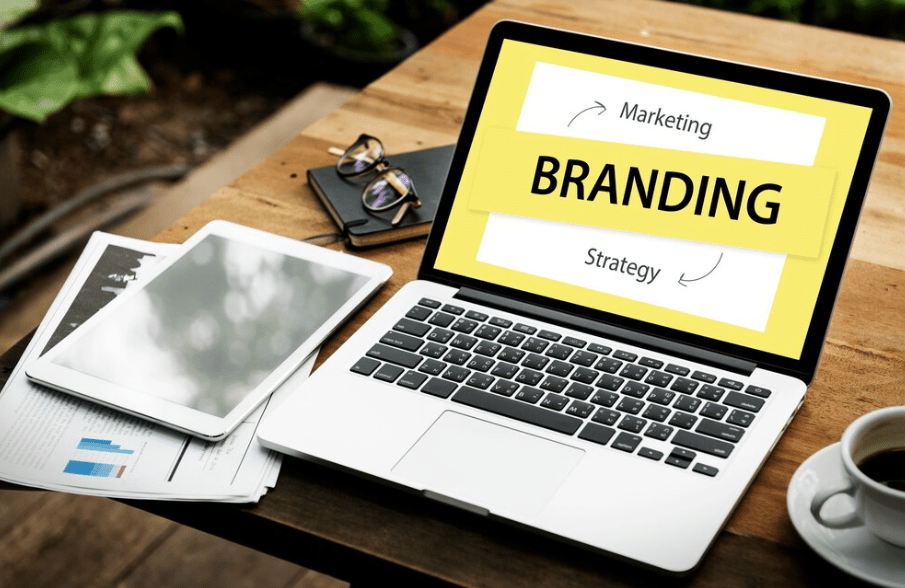
Difference Between Branding and Marketing: How They Function and Align?

While both might appear as if they’re one, yet both play a distinct function in helping businesses succeed. This article is to understand the differences between these two notions by demonstrating how branding can create an identity as well as emotional connections and marketing is responsible for the sales and outreach. In addition, we will examine the ways they interact and strengthen each other in order to develop a strategy that attracts clients to build loyalty and helps sustain expansion.

Defining  Branding

What is Branding?

The concept of branding is beyond an image or name. It’s a vital part of any enterprise. Consider branding as a unique character which differentiates the company and creates an identity. It is built through the feelings, values and the promises that a business hopes its clients will connect to. Branding through SEO service packages influences how people perceive a company and the way they will remember the company. It’s the reason why a company is immediately recognizable, trustworthy and ultimately liked.

Key Components of Branding

Branding relies on a number of basic elements, consulting with a top Digital marketing seo agency, which work to produce a uniform appearance. The logo is the image associated with the business. The colors and tagline are added to the appearance and feel of the brand, creating an enticing visual appearance. Some other essential elements of branding comprise the tone of voice for the brand that conveys the tone of the business and manner of communication and the mission statement in which is the reason and the values that govern the organization. Together, these components aid in telling the tale of what the brand represents and what it intends to accomplish.

The Role of Branding

Branding is a crucial factor in creating trust and credibility in the course of the course of time. If a company has an established branding, it’s not only able to provide services or products; it establishes a lasting relationship with its customers. The purpose of branding is to define how a company appears to people’s eyes by creating an image that is reliable, comfortable, and perhaps even inspirational. A well-designed branding strategy through seo service packages helps consumers recognize a brand’s principles and character, making the company more likely to turn into regular customers who return often.

Defining Marketing

What is Marketing?

Simply put, marketing it is all a company is doing to inform people about the products and services they offer. Marketing is the process by which a business conveys its goods or services in the marketplace, utilizing techniques to attract the attention of people, spark curiosity, and trigger actions. The process involves a variety of actions that are designed to draw customers in and get them to make purchases with catchy ads to informative material. When branding is all about creating an image, then marketing is about bringing the brand to life, and then placing it in front of the appropriate people.

Key Components of Marketing

It is a complex strategy which comprises a number of key elements. Research into market research can help a company to understand the audience it serves the preferences of their customers and wants, helping to make in the selection of what products to advertise. advertising, both on and off is one of the most effective ways for businesses to promote their brand. Content marketing, whether it’s video posts, blog posts or updates on social media–helps to inform, entertain, and in turn, engage with the viewers. The other key strategies include the use of email marketing to keep the customers informed and updated, and search engine optimization (SEO) is a method of making your business more easily found on the internet. These components together form an entire marketing plan that helps to improve visibility and increase sales.

The Role of Marketing

Marketing is a key factor in driving demand and conveying the message of a company to a wider public. In order to reach out strategically to clients, marketing campaigns help customers to find, comprehend and purchase from the business’s name. Marketing is the spokesperson of a business and explains what it is that its services or products should be taken seriously. When branding through a Digital marketing seo agency establishes the base to how businesses want to be seen by the public, marketing communicates that message to customers who are interested and encourages them to take that next action.

Branding Vs. Marketing

Long-Term Vs. Focus on the Short-Term

It’s an ongoing process which changes but stays true to its fundamental values. Marketing On the other hand is often focused on shorter-term objectives, such as launching an innovative product, appealing to certain customers and boosting sales for an epoch. The marketing campaigns typically are designed with clear goals and then altered or renewed as the needs shift. The branding process provides stability for marketing, while it delivers instant outcomes.

Purpose and Approach

Marketing and branding possess distinct goals and strategies when we consider branding vs marketing. It is all about defining what the company is and creating an identity that consumers are able to identify to. Marketing, on the other hand involves sharing that brand’s identity with all the world. Branding establishes the scene through the creation of the “who” and “why for a company, and then marketing is about providing the ‘why is’ and the ‘how’. The focus of branding is to create an identity and meaning, while marketing focuses on visibility, persuasiveness as well as the conversion.

Customer Relationship

Branding is a key element in establishing a helps to create an emotional connection with the customer. It taps into the emotions of people and builds trust in them, creating the feeling of loyalty. Marketing in turn, stimulates excitement, educates customers and eventually convinces them to purchase. The process of branding is more about establishing relations over time. While marketing is more about spurring an action now. Both have a crucial role to play in the interaction with clients, but both serve different parts of the journey in the framework of brand marketing vs digital marketing.

Example of Branding and Marketing efforts

Think about branding as creating an unforgettable logo that represents the core values of a business, and marketing by promoting that image across various platforms to entice clients. It is all about the story and marketing is how the story is presented. The branding process creates an image that lasts and marketing transforms this image into benefits.

How Branding and Marketing Work Together

Branding as the Foundation of Marketing

A brand that is strong makes marketing campaigns more successful. If a company has an established brand image that sets the stage to all marketing efforts. If branding provides a solid foundation, marketing efforts can concentrate on connecting with the customers instead of explaining what they are. Brands that are well defined allow for greater impactful branding and marketing because customers already know of what the company represents.

Brand-Driven Marketing Strategies

Marketing strategies that match the brand’s beliefs and messages provide a consistent experience to people who are. If marketing is a reflection of the persona and vision that has been established through branding, it creates an even more coherent and engaging narrative. Marketing campaigns are more effective by staying in line with the company’s primary image, giving the customer an impression of familiarity and confidence.

Consistency in Branding and Marketin

It is crucial to maintain consistency for marketing and branding. Businesses that have an unifying branding image across all its marketing channels, offline or online, provides an experience that is seamless for clients. It is by using the same colors, tone as well as logos and messages across advertisements, social media websites, as well as the customer service interaction. The consistent branding of marketing makes it instantly recognizable and reinforces its brand image through every contact.

Examples of Brands Successfully Integrating Branding and Marketing

A lot of successful businesses are great examples of synergy of marketing and branding. When marketing and branding strategies are in sync, they provide a seamless path from the moment of discovery until purchasing. From iconic images to powerful tales, these brands are focused on establishing a consistent look and achieving their goals in branding in marketing to ensure they remain current, trustworthy, and appreciated by their consumers. Some top examples are Nike, Apple, Coca-Cola, and Google.

Conclusion

Marketing and branding both are essential to build the kind of business that customers remember and believe in. Branding is the way to define who a business is and creates an identity that is recognizable to the target audience. Marketing brings that image to life, making sure that it is able to reach prospective customers and leads customers to take action. When they are combined with marketing, they form a formidable combination that propels the growth of a business and builds loyalty. An organization with an effective branding and an effective marketing plan makes a mark in the marketplace by establishing lasting relationships with customers with a loyal client base. Any business should consider taking the time to consider the way branding and marketing function together is the very first step towards the long-term viability.

Voice Search Optimization: Strategies to Follow in 2026

Voice search optimization is the hottest trend in the SEO world right now. In 2026, it will be even more critical for businesses to stay ahead of the curve and optimize their websites for voice search. With the rise of smartphones and other smart devices, people increasingly use voice search to find information online. This has created an opportunity for businesses to gain a competitive edge by optimizing their websites for voice search.

This article will explore everything about voice search optimization and provide strategies to follow in 2026. Whether you’re into SEO or just trying to keep up with the times, this article will help you gain an edge.

What is voice search optimization?

SEO voice search refers to optimizing websites for voice search queries. It involves using keywords and natural language that people would use when asking questions through a voice assistant, such as Google Home or Alexa. This includes using long-tail keywords and focused phrases more specific to what people would say in a voice assistant.

Earlier, traditional SEO was focused on targeting specific keywords and phrases to rank higher on search engine results pages. However, with the rise of voice search, optimization needs to become more conversational and contextual. This means using natural language queries, such as “What coffee shops are near me” instead of “Coffee shops near me.”

Why is Voice Search Optimization important?

After exploring SEO voice search, you may wonder why it’s important. Voice search is becoming increasingly popular as more people use smart devices and voice assistants to search for information online.

Voice search offers more natural language options and a better user experience than traditional SEO. By optimizing for voice search, businesses can gain an edge against their competitors and appear in more search results. It also helps businesses remain relevant by targeting the latest trends in voice search technology.

To optimize for voice search, businesses should focus on improving their website’s page speed, mobile-friendliness, content quality, and usability. On this note, let’s explore some of the key ways to hone voice search optimization and drive more traction.

| Also Read: Top 10 SEO Lead Generation Tips

Effective voice search optimization tips:

Target question keywords:

While using voice search, people ask questions differently than they do when typing. When targeting keywords, focus on questions and phrases that people would use in a voice assistant, such as “How do I…” or “Where can I find….”

While writing content, use question words and phrases that people may ask in voice searches, such as how, what, when, where, who, and why. This provides a better user experience and increases the chances of your page appearing in voice search results.

Using LSIs makes it easier to target more natural language and appear in voice search results. If you run a local business that is dependent on footfalls, you can use location-based LSIs to appear in local searches.

Optimize for featured snippets:

Featured snippets are short answers that appear at the top of search engine results pages (SERPs). People who ask questions in voice assistants often receive answers from featured snippets.

To optimize for featured snippets, focus on creating high-quality content that answers a specific question in a list, table, or paragraph. Make sure to include keywords related to the query in the answer. You should also optimize your page’s title and meta description to boost its visibility on SERPs.

Do a quick competitor analysis on websites that are ranking on featured snippets to understand their content structure. Moreover, keep a close eye on Google’s algorithm updates and make changes accordingly.

| Also Read: SEO Process Guide for Long-Term Search Success |

Include structured data:

Structured data refers to the code that is added to a web page and helps search engines understand its content better. This includes information such as product details, events, and reviews. Adding structured data to your pages makes them more visible in voice search results.

It helps search engines understand what the page is about and provide relevant answers to voice queries. Structured data also helps search engines understand the context of a page, making it easier to appear in voice search results. You can add structured data manually or use a plugin to generate the code.

Improve the website speed:

The next voice search optimization strategy is to improve the website speed. Voice search users expect fast results, so a slow website can negatively affect your visibility in voice search results.

You should optimize images, minify code and stylesheets, and use a content delivery network (CDN) to improve site speed.

Additionally, you can use tools such as Google PageSpeed Insights and GTmetrix to identify problems on your website. Once you’ve identified the issues, implement solutions such as using a caching plugin or moving to a faster web host. Further, ensure that the website is mobile-friendly to provide a better user experience.

Using conversational language:

Optimizing for voice search becomes easier when you use conversational language. People ask questions in natural language, so optimizing your content according to that is important. You should focus on creating content that is easy to read and understand. Avoid jargon and use simple words that are easier for both humans and search engines to understand.

Additionally, include long-tail keywords and phrases that people would use in a voice search. This will make it easier for people to find your content when they ask questions in voice search. For example, instead of adding keywords like “SEO services,” use longer phrases such as “Where can I find reliable SEO services?”.

Wrapping up!

By following these voice search optimization strategies for 2026, you can ensure your website is visible and relevant to voice searches. Once you have implemented these techniques, monitoring your website’s ranking on voice search results is essential to measure your efforts’ impact.

In 2026 when voice search will become the norm, it’s important to have a well-optimized website that can appear in relevant search results. Following these voice search optimization strategies will help you gain an edge over your competitors in the SERPs. With these optimization strategies, you can make sure your website is ready for the shift to voice search!

A Guide to Google’s Advanced Image Search


Image search on Google is among the most used features that let users find images of any kind. It can be helpful in a variety of different ways, from finding inspiration for creative projects to tracking down the source of a meme. Google Advanced Image Search is an even more powerful tool that allows users to narrow down their search results and find exactly what they need.

Many people are not aware of the full potential of the advanced image search feature, so here we will go through what it does and how to use it. This article will explore the features of Advanced Image Search, including how to find images with specific colors, sizes, or types.

What is Google’s advanced image search option?

Google Advanced Image Search is a powerful tool that allows users to quickly find images relevant to their search queries. With it, you get a wide range of filters and options to help you narrow down your image search and quickly find the perfect image.

For example, you can filter the results by color to find images with a particular hue, or size to find images with specific dimensions or type to limit the results to a certain file format. You can also limit the search results to images with a particular license or type of usage rights.

Also, Read – Mobile SEO – How To Optimize Your Website For Mobile Devices

Why use Google Image Advance Search?

Google’s advanced image search can be particularly useful for those who need to find images quickly and accurately. For example, if you are looking for inspiration for a design project, you can use the color filter to find images with specific hues. If you need to find an image that is of a specific size, you can use the size filter to narrow down the results.

It is also a great tool for those who need images that are licensed for commercial use, as you can limit the results to images with specific usage rights. It’s a perfect tool for anyone looking for images that meet certain criteria.

How to use Google advanced image search?

You can start using the advanced image search by visiting images.google.com and once you visit here, you will get a search bar where you can enter your query.

After entering the search term, click on the “Tools” button located to the right of the search bar. This will open up a list of advanced image search options you can use to narrow down your results.

You can filter the results by color, size, type, license, or usage rights. You can also select whether you want to find exact matches of your search query or results that are related to it.

Once you’ve narrowed down the search, click “Search” and you will get a list of images based on your selections.

Filters you can use:

Image size:

It’s an important parameter of the advanced image search of Google where you can select the size of images you need. You can find images ranging from small to large and even specific dimensions like 4:3 or 16:9. Whether you’re looking for a high-quality featured image or a small icon to use in a blog post, this option can help you find just the right one.

Image color:

You can also limit the results to images with a certain color. This is especially useful when you’re looking for something specific like a blue sky or green grass. You can choose from a range of colors, including primary, secondary, and gradient colors. This filter is useful when you’re looking for a specific color scheme.

Image type:

Google Advanced Image Search also allows you to limit the results to a certain type of file format. You can find images in popular digital formats like JPG, PNG, and GIF, as well as other formats like BMP, TIFF, and SVG.

Usage rights:

If you’re looking for images to use in a project or website, you can limit the search results to images with a certain type of usage rights. This will help you make sure that you’re using images legally, without infringing on anyone’s copyrights.

Also, Read – How To Perform A Convincing SEO Audit?

Google Advanced Image Search features:

Apart from the above filters, if you’re still not able to find a specific image, you can take advantage of a few features that are available in the Advanced Image Search. below are some of the advanced features that you can use to find the images:

Exact word or phrase:

This option allows you to search only for images that have the exact word or phrase you entered in the search bar. This can be useful if you’re looking for a very specific image and don’t want any unrelated images in the results.

Advanced aspect ratio filters:

Whether you want tall, panoramic, or square images, you can use the aspect ratio filters to find images of a particular size. This filter is especially useful if you’re looking for images to use in a particular layout, such as the cover of a magazine or an online banner. Moreover, you can also find images suitable for various social media sites, such as Facebook or Instagram.

Region:

This filter allows you to limit the search results to images taken in a particular region or country. So if you’re looking for pictures of a specific place or landmark, you can find them easily with this option.

Site or domain search:

If you’re looking for images from a particular website or domain, this filter will help you narrow down the results. You can input the URL of the website and Google will search through its index to find images from that domain.

SafeSearch:

This option allows you to filter out inappropriate or explicit images from the search results. If you’re looking for images that are safe to use in a work environment or to show to children, you can turn this setting on.

File type:

You can specify the file type of images you want to search for. This is especially useful if you’re looking for a specific format, such as SVG, JPG, or PNG.

Reverse image search:

With this feature, you can upload an image from your computer and Google will search for similar images on the web. This is useful if you’re looking for a higher-resolution version of an image or if you want to know the source of an image. This feature is handy when you’re looking for a specific image but don’t know the exact keywords to use.

With Google Advanced Image Search, you can narrow down your search results and find the perfect image quickly and easily. Whether you’re looking for a picture of a certain landmark, an icon to use in a project, or images with the right usage rights, Google Advanced Image Search has you covered.

Pinpoint Image Sources:

If you want to find out the source of an image, Google Advanced Image Search can help. All you need to do is upload the image and also add some text to make sure that the image can be accurately linked with its source. Google will then use this information to search for similar images on the web and help you find the source of the image.

Use cases of advanced image search:

Advanced image search is used by many people for different purposes. Here are some of the most common use cases:

Graphic designers and artists:

Graphic designers and artists can use Google’s Advanced Image Search to find high-quality images for their projects. They can also use the exact word or phrase filter to find images with precise visual elements. Moreover, they can use the aspect ratio filter to find images with the right size. Graphic designers can also use the reverse image search to look for higher-resolution versions of a particular image.

Journalists and bloggers:

Journalists and bloggers can use Google’s Advanced Image Search to find relevant images and visuals for their stories. They can also use the region filter to find photos taken in specific areas. Especially for travel bloggers, this filter can be very helpful. Moreover, they can use the safe search filter to find images that are appropriate for all audiences.

Business owners:

Business owners often need to source images for their websites and promotional materials. With Google’s Advanced Image Search, they can easily find the perfect image with the right size and aspect ratio. They can also use the file type filter to look for images in specific formats, such as JPG or PNG.

Marketers and advertisers:

Marketers and advertisers can use Google’s Advanced Image Search to find images with high resolution and the right usage rights. They can also use the reverse image search feature to find out where a certain image is used. This feature can also help them identify potential competitors. Another advantage of marketers and advertisers is that they can use the same image search to look for images of their target audience.

For students:

Students can use Google’s Advanced Image Search to find high-quality images for their assignments and presentations. The file type filter and aspect ratio filter can be especially helpful for students. Moreover, they can use the safe search filter to ensure that the images they find are appropriate and suitable for all audiences.

Ultimately, Google’s Advanced Image Search is a powerful tool that can help you find the perfect image quickly and easily. With its advanced features, it will save you a lot of time.

Advantages of Google advanced image search:

Google advanced image search is an incredibly powerful tool that can help you find the perfect image quickly and easily. Some of the key advantages of using Google’s Advanced Image Search include:

Quick and easy access to images from all over the web:

With just a few clicks, you can access millions of images from different websites and sources. Compared to normal image search, Advanced Image Search is much faster and more efficient. Moreover, you can also narrow down your search results using specific keywords.

High-quality images:

Google’s advanced image search is powered by its vast database of images. This means that you can be sure to find high-quality images with the correct usage rights. You can also filter out inappropriate images with the SafeSearch option.

Multiple filters:

You can also use various filters to narrow down your search results, such as aspect ratio, region, site/domain search, and file type. This makes it easy to find the exact image you’re looking for in a fraction of the time.

Wrapping up!

So, whether you’re looking for pictures to use in a project or website, or if you want to know the source of an image, Google’s Advanced Image Search can help you find what you need. With its advanced filters and features, it can save you time and help you find the perfect image quickly and easily.

Auto Clicker for Chromebook – What You Need to Know

While operating on a computer, there are many operations that demand constant use of mouse clicks and keyboard actions. This can be tiring for users and lead to repetitive strain injuries. For example, several games and applications measure success by the number of clicks per minute that a player can perform.

Players may use an auto clicker to increase their score or speed up the game. Other users may use an auto clicker to avoid having to perform a task that requires many clicks, such as filling out online forms.

An auto clicker is a software program that automates mouse clicks and keyboard actions, eliminating the need for users to perform these actions manually. There are many different auto clickers available, and they can be customized to perform a wide variety of tasks. Auto Clicker for Chromebook is among the most preferred choices.

What Is an Auto Clicker for Chromebook?

Auto Clicker for Chromebook is a free and open-source program that can be used to automate mouse clicks and keyboard actions. The program is designed specifically for use on Chromebooks, and it can be installed from the Chrome Web Store.

Once installed, Auto Clicker for Chromebook can be configured to automatically click a specified button or link, type text, or perform other actions whenever it is activated. The program can also be configured to click at a specified interval, making it perfect for tasks that require repetitive clicks.

This open-source tool is ideal to use in various situations. Some people use it to increase their productivity at work or school, while others use it to automate simple tasks they don’t want to do manually. The best Auto Clicker for Chromebook is simple to use and can be a valuable time-saving tool for anyone who uses a Chromebook on a regular basis.

Advantages of Chromebook AutoClicker

There are multiple advantages of installing and using an auto clicker for Chromebook school. Let’s look at all the reasons why you should get one for your device:

You can automate repetitive tasks:

If you find yourself performing the same actions over and over again, an auto clicker can help you automate those tasks. This is especially useful for things like online marketing or web design, where you might have to perform the same clicks or actions multiple times. Some of the key tasks that can be automated using an auto clicker include clicking links, filling out forms, and mouse movements.

You can save time:

By automating tasks, you can obviously save a lot of time. This can be extremely useful if you need to perform a large number of tasks in a short amount of time. In addition to saving time, automating tasks can also help you boost your productivity. This is because you’ll be able to focus on other things while the auto clicker takes care of the repetitive task for you.

Also, Read – How To Produce SEO Friendly Content.

You can avoid errors:

Another advantage of using a Chromebook auto clicker is that it can help you avoid errors. This is because the auto clicker will perform the task exactly as you have programmed it to, without any mistakes. This is opposed to performing the task manually, where you’re more likely to make mistakes. In large data-entry work, it’s likely that even a small mistake can cause many problems, so using an auto clicker can help you avoid those mistakes.

It’s easy to use:

Auto clickers are actually very easy to use, once you get the hang of them. All you need to do is install the software and then configure it to perform the task that you want. The configuration process is usually very simple and can be done in just a few minutes.

Why Do You Need the Best Auto Clicker for Chromebook?

If you are a regular user of Google’s Chrome browser, you may be wondering if there is an auto clicker extension or plugin available for the Chromebook. Unfortunately, at this time there is no such thing available. However, that doesn’t mean that you can’t use an auto clicker with your Chromebook.

There are a few different ways that you can use an auto clicker with a Chromebook. One way is to use a Chrome extension or plugin that is available for another operating system, such as Windows or Mac. Another way is to use a web-based auto clicker service.

One of the most popular auto-clicker extensions for Chrome is called “Auto Click.” This extension is available for both Windows and Mac, and it allows you to set up auto-clicking for any web page or application.

To use the “Auto Click” extension, simply install it on your Chrome browser and then visit the web page or application where you want to enable auto-clicking. Once you’re on the page or application, click the “Auto Click” icon in your toolbar and then select the “Enable auto-clicking” option.

Once you’ve enabled auto-clicking, you can then configure the extension to click anywhere on the page or application at a specified interval. For example, you could set it to click every five seconds or every minute.

If you’re looking for a web-based auto clicker service, one of the most popular ones is called “uAutoClick.” This service allows you to use an auto clicker on any web page, and it also has a Chrome extension that you can install.

To use the “Auto Clicker” service, simply visit the web page where you want to enable auto-clicking and then click the “Auto Clicker” icon in your toolbar. Once you’ve clicked the icon, you’ll be taken to the “Auto Clicker” configuration page.

How Do I Make Use of an Auto Clicker On My Chromebook?

There are several creative and efficient ways that you can make use of an auto clicker on your Chromebook. This great tool can help you with a wide variety of tasks, both big and small. Let’s take a look at some of the most popular ways to use an auto clicker on your Chromebook.

If you find yourself performing the same task over and over again on your Chromebook, an auto clicker can help to automate that process and make things much easier for you. For example, if you’re a web developer and you find yourself constantly refreshing your browser to check your code changes, you can use an auto clicker to automate that process.

Another example might be if you’re a graphic designer and you find yourself frequently resizing and cropping images. With an auto clicker, you can set up a series of actions to take care of that process for you automatically.

Moreover, auto clickers can also be used for more fun and creative purposes. For example, you can use an auto clicker to play an online game or to create interesting effects in a video or photo editing program. On this note, let’s look at how to use an auto clicker on your Chromebook.

  • Open settings.
  • Find the accessibility features.
  • Click Manage accessibility features.
  • Enable Automatically click when the cursor stops.
  • Change the settings.
  • Using Automatically click when the cursor stops.

Key points to consider while using Auto Clicker on Chromebook:

Auto Clicker is a great tool that can help you automate repetitive tasks on your Chromebook.

You can use the automatic click when the cursor stops setting to have your Chromebook automatically click for you. Some of the key points to keep in mind while using this setting are:

  • The auto clicker will only work when your cursor is inactive for a certain period of time. By default, this is set to 5 seconds, but you can change it to any time period that you like.
  • The auto clicker will click wherever your cursor is currently positioned. Therefore, it’s important to make sure that your cursor is in the correct position before you enable the auto clicker. The auto clicker will only work when your Chromebook is unlocked. If your Chromebook is locked, the auto clicker will not be able to click for you.
  • To use the auto clicker, simply position your cursor where you want it to click and then wait for the period of time that you have set. After the specified time period has elapsed, your Chromebook will automatically click for you.

It’s a highly time-saving and efficient way to automate repetitive tasks on your Chromebook. Many people are not aware of this great feature, but once you start using it, you’ll wonder how you ever managed without it! Whether you’re looking for speed, accuracy, or simply want to save yourself some time, the auto clicker is a great tool to consider.

Also Read – How to Add, Edit, or Remove Google Reviews

How to Personalize the Chromebook’s Auto Clicker?

Assuming that you have installed the auto-clicker extension on your Chromebook, here are the steps that you need to follow in order to personalize it as per your requirements.

  • Open the Auto Clicker extension from the app drawer or shelf. Doing so will open the extension’s interface on a new tab.
  • Click on the three-dot icon present in the top-right corner of the interface and select “Options” from the resulting drop-down menu.
  • On the options page, scroll down to the “Customize Click Rate” section and use the slider under it to set your desired clicking rate. The minimum click rate is 10 clicks per second while the maximum is 1000.
  • Once you have set the click rate, scroll down to the “Customize Click Types” section and select the type of click that you want the extension to perform. You can choose between left-click, right-click, and double-click.
  • Finally, scroll down to the “Customize Click Actions” section and select the action that you want the extension to perform. You can choose between a click and a drag action.
  • Once you have personalized the extension as per your requirements, click on the “Save” button present at the bottom of the page.

Using the Auto Clicker is pretty straightforward as all you need to do is open the app and click on the “Enable” button. Doing so will start the clicking process. You can stop the clicking process at any time by clicking on the “Disable” button. Unlike other complicated tools and software, the Auto Clicker is really easy to use and understand.

One of the best things about this extension is that it is available for free and can be used on any website or web page. So, if you are someone who clicks a lot of links or buttons on web pages, then this extension can come in really handy for you.

What is the Future of Auto Clicker for Chromebook?

Auto Clicker is a powerhouse when it comes to automating tasks on your Chromebook. It can save you time by automatically clicking the mouse for you, opening apps, and even filling in forms. Whether you’re a busy student or professional, Auto Clicker can help you get things done faster.

The great thing about Auto Clicker for chromebook is that it’s constantly being updated with new features and improvements. The developers are always working on making it better and more user-friendly. So, what does the future hold for Auto Clicker? The team behind Auto Clicker is constantly working on new features and improvements

One of the most requested features is the ability to use Auto Clicker with multiple monitors. This would be extremely helpful for those who use their Chromebooks for work or school. With multiple monitors, you can have Auto Clicker open on one screen while you’re working on another. This would make it much easier to get things done and save time.

Another popular request is the ability to use Auto Clicker with external keyboards and mice. This would be helpful for those who want to use Auto Clicker with their Chromebooks in different locations. For example, if you’re at a library or coffee shop, you can use an external keyboard and mouse to get the most out of AutoClicker.

The team behind Auto Clicker is also working on making the app more user-friendly. They’re constantly improving the interface and making it easier to use. They’re also working on adding more features, such as the ability to create custom macros. This would allow you to automate even more tasks on your Chromebook.

Overall, the future of AutoClicker looks bright. With each update, Auto Clicker becomes more powerful and highly useful.

Conclusion!

Auto Clicker is an extremely useful extension for Chromebook that can save you a lot of time and effort. It’s easy to use and understand and constantly updated with new features and improvements. If you’re looking for a way to automate tasks on your Chromebook, then Auto Clicker is the perfect solution for you.

Effective Inbound Marketing Tactics to increase your eCommerce conversion rate

ecommerce seo
Digital Marketing Services

When you want to strengthen the business prospects of your eCommerce business, it is crucial to avail Ecommerce SEO Services from a renowned company. You must talk to the experts about your requirements. Accordingly, the company assesses the SEO status of your eCommerce platform. It constructs a solid plan and implements the required solutions within your eCommerce business’s framework. There are specific inbound marketing tactics that add more value to the eCommerce website. The blog discusses the strategies clearly, in a nutshell. 


Tactic 1: Applying a persuasive design and writing an effective copy


One of the crucial SEO services is preparing an effective copy for the business. It should comply with the usual guidelines of search engines. It is crucial to note that the user intent should be the main focus. Moreover, the copy should perfectly blend with the website design of your platform.

The design should be engaging and attractive. It should not hinder the smoothness of searching for the required information on the platform. The website design should be visually persuasive. It should also have a unique appeal. The aesthetics should be trendy.

On the other hand, the copy should not have any fluff. It is essential to directly address the queries of the target customers. Moreover, you need to provide valuable information to the visitors. The language must be simple. There should not be any heavy terms. Such a copy helps in reducing the bounce rate of your eCommerce website. 

Tactic 2: Making navigation simpler


It is highly important to make the navigation simpler for the visitors. When the navigation is complicated, visitors don’t remain on the platform. They leave the site. It increases the bounce rate of your eCommerce site. It further leads to a lowering of search engine ranks. Your business gets affected. 

It is wise to hire a top-rated Ecommerce SEO Company to look after the navigation details of your website. The experts have several years of experience in implementing the most effective solutions to correct or better the navigation features of various eCommerce sites. You can trust their extensive skills. 

The navigation bar or section of your website should be clear. Visitors should not have any doubts about finding any information or reaching a particular product page. Also, it is crucial to show the visitors the most relevant items according to their search keywords or terms. 

Tactic 3: Using social medial platforms for selling


It is a well-known fact that most eCommerce businesses leverage the power of social media platforms such as Facebook and Instagram to advertise their products. It is a cost-effective way to improve the visibility of the items. The strategy is intelligent. It enhances the reputability of the brand, too. 

But, do you know that you can use social media handles to sell your products? Yes, it is true! The surprising thing is even today, very few eCommerce companies use social media platforms to sell products.

Whether you sell clothing products, jewellery items, laptops, or some other products, you can easily integrate the business platform within the frameworks of your social media handles. People spend time on various social media sites. It becomes easier to catch their attention with optimised social media handles. It is an Affordable Ecommerce strategy that you can implement to significantly increase sales. 

Tactic 4: Remaining informative


You must keep in mind that a potential buyer loves information about a product. It is good to provide as much relevant product information to a visitor as possible. It can lead to an improvement in your business’s conversion rate. 

As SEO professionals, we focus on creating information-rich product descriptions. Our aim is to remove all doubts from the minds of your visitors. There should not be any trace of confusion. It is also crucial to optimize the content of product descriptions. We strive for excellence and never make any compromise in this regard. It is a wise idea to concentrate more on the primary features of the product. The potential customers get more attracted to the products. We also integrate a FAQ section or an AI chatbot with the products you sell through eCommerce platforms. It helps the visitors to judiciously decide.

Tactic 5: Using social proofs


Social proofs add more credibility to your eCommerce SEO platform. You can use a wide range of social proofs to enhance the reputation of your business platform. 

For example, you can use reviews from customers. We implement the best solutions to ensure excellent reviews of the products available on your website. The reviews are detailed. The visitors read the information thoroughly in the reviews. It helps in engaging you to target customers. The bounce rate of your site drops, too. 

Product reviews, testimonials, and star ratings help your business get more leads. You can be sure about it. We take care of the technical sides of the process. You never have to bother at any stage of the procedure.  We create more value for your site by using social proofs. There are perfect strategies under our belt. We implement them, complying with your business’s specific features. 

Tactic 6: Providing various discount options to target customers


Buyers love discounts. Accordingly, we help you set a wide range of discount offers for your target audience. Such offers make them immensely happy. They stick to your platform. The customers love to buy products from your eCommerce platform. 

It is crucial to add a little bit of personal touch to your eCommerce site while implementing the discount offers. The buyers can relate more to your website when you do this. It helps in improving sales for your business. The conversion rate improves, too. There is a sustainable revenue flow for your company. In many cases, the customers get notifications in their emails about different discount offers. 


Get in touch

You can talk to us to revamp your eCommerce site and increase sales. We are certified SEO professionals with several years of experience in the industry. You can rely on our prolific skills. Write to us or give us a call. We are prompt in addressing your questions on inbound marketing strategies. 

10 Inbound Marketing Tactics To Grow Your Business

Marketing has been the backbone of every store be it the traditional retail stores or the online stores. Technology has paved such a broad way that the seller is eager to find new marketing means. We have indeed witnessed varied techniques but inbound marketing is something that stands out, want to know why? Well, unlike other techniques the possibility of an occurrence of purchase is massive. The consumers here are drawn to the product instead of forcing them to make a buying decision.

To get to know what inbound marketing is you have to understand a buyer’s journey. It’s simple, the journey a buyer passes through before making a purchase decision, where he identifies a problem, finds a solution, and makes a purchase decision. As HubSpot mentions a buyers journey has three stages:

  1. Awareness Stage: The buyer identifies a problem.
  2. Consideration Stage: Buyer defines their problem and finds a solution.
  3. Decision Stage: The buyer makes a decision.

Inbound is a method of attracting, engaging, and delighting target audiences and building trust in them by providing valuable content. We can’t market the same content to each customer that approaches us, for this, we have to understand our target audience or buyer persona. So what is a buyer persona?

Identifying Your Buyer Persona:

A crucial step before we market is to understand the buyer persona. A clear idea of who we are targeting or our target audience is. Certain factors are considered like Demographics, Lifestyle, Personality profile, Pain points, Information sources, Goals, etc. to understand the buyer persona. 

An appropriate alternative would be to incorporate approaches along the way of the buyer’s journey. One thing to keep in mind is the strategies you focus on may be different but the content produced for the same should be valuable and informative which helps in building authority.  

The 4 stages of Inbound Marketing Methodology: Attract, Convert, Close, and Delight.


ATTRACT: The first and foremost stage of Inbound Marketing is to attract the target audience or the buyer persona. At this initial marketing point, through search engine optimization and social media marketing, the prospect is provided with the right content, at the right place, and at the appropriate time.

BRANDING AND WEBSITE DESIGN

Not only visually appealing but also containing valuable content, a website aims to promote the discovery of its content. Inbound marketing is providing visitors with featured content, information relevant to them and CTAs. This exploration of material is what drives visitors to consider which ultimately is churned to conversion. It’s a must to focus on the logo and visual identity of your company to ensure it works on your website and on all channels. 

A sensitive website reduces bounce rates as this platform makes visitors happy. They are able to navigate quickly to the information they are searching for. Google also prefers websites that are open and can help improve your search results. 

Additionally, content that is not focused should be optimized for inbound by using targeted keywords important to the users.

CONTENT MARKETING

Create highly appropriate content for the audience you want to attract. Let customers come to you because you have the best content available in which they have an interest. Marketing content is not about selling your product, but rather about providing valuable information that helps create trust and confidence in your company.

Always try to provide fresh and valuable content. There’s no chance to hold your leads and convert them. The content may come in various forms to help your audience answer a question or solve a problem.

SEO

SEO (Search Engine Optimization) is the method of optimizing the content and search layout of your website to earn organic placements on the results pages of the search engine. Creating an SEO-optimized quality website and content means that Google’s web-crawling algorithm is capable of finding and indexing the content of your website to make it accessible to people looking for free. This is the method of ensuring the website ranks on Google’s page 1 and is focused on things like consistency and amount of links, readability, uniqueness, keywords, etc. 

SOCIAL MEDIA MARKETING

SEO satisfies searches and social media brings the company on sites in front of people where they actually hang out. While businesses can be welcomed on the social front, engaging with potential customers in a sincere and honest way is crucial. It’s also important to be consistent, to show up and be there, and trust will grow over time.

Like blogging, social media lets you keep your brand in touch with your followers on a regular basis, plus it helps you extend the scope of your ever-improving brand identity considerably. Social media also improves the identity of your brand by giving your audience a voice and a chance to connect with your brand, as well as being a place where you can give your audience news, blogs, and other useful material.

Spend time designing a social media marketing strategy to deliver your content to the right people, evaluate your top-performing content, and pay for the content that resonates with your audience to encourage and attract even more traffic.

PPC (Pay Per Click)

Pay-Per-Click or PPC alongside the above-mentioned ways has a great impact on the website visitors that you can generate. With the help of paid search, you can pay for the top place where your ads are and offer to draw interested visitors on similar keywords. Here you have the power to change budget, pause ads, calculate ROI and the list goes. 

CONVERT: Here the people have identified you and visited the website, the aim here is to turn them into leads by collecting their contact details on a landing page. To obtain this valuable information, they are being provided the valuable content that they need at that very moment. It helps them to get the details they are searching for while giving their contact information to you for marketing to them.

CONTENT OFFER OR LEAD MAGNET

The basic idea here is to generate your leads’ contact information. You might have got traffic to your website but to get the person to provide their details you have to provide them valuable content, it can be in the form of a webinar, ebook, video or anything else. Lead magnet is where the customer is offered valuable content by the marketer in exchange for the leads contact information.  

CALL-TO-ACTION

A CTA is a lead magnet feature where you can grab the attention of the customer and direct them where to go next. A call-to-action will direct traffic to your content thereby increasing sales. CTA is normally used across marketing channels to drive conversions. Here the one thing to keep in mind is that the CTA should be structured in a way with respect to your content that the lead is persuaded to take an action.

LANDING PAGES

Your lead magnets are located on the landing pages.  After clicking the CTA the landing pages are where the leads come. The landing page should be in relevance with the CTA. An example is, when your visitor from a paid search for an ad advertising Men’s shoes, you will not send them to the landing page containing Women’s shoes. Focus on a single point, make sure you restrict navigation to other pages moving away from the landing page. The design of the landing page should be such that it should keep the visitor engaged. Videos, images, testimonials are some of the elements that can help improve the conversion rate.

Close: Here the leads are nurtured and turned into customers. There are certain marketing techniques that determine to ensure the leads are close at the right time, email marketing and marketing automation are some of them.

EMAIL MARKETING

Excellent communication is the secret to an effective marketing campaign, and you are making inbound email marketing the perfect approach for all sizes of companies. Whether you’re a start-up or a small-to-midsize company, email marketing can help you a lot. You may need to send personalized brand messages and educate consumers about your goods and services. In these instances, plugins like WooCommerce email customizer lets you quickly create and customize transactional email using a simple visual template editor.

Lately, Ecommerce stores use automated emails to share updates on purchases, cart abandonments, offers, and much more. They are helping to reach people better and make a purchase decision.

 MARKETING AUTOMATION

Sending target content to the leads based on their actions is done over time. It’s important that you consider your own customers. You need to consider what their sources of discomfort are and what they can find the most engaging. This will help you build emails that have a better chance of communicating with them effectively. They need to feel like you’re the answer to their issues.

Inbound marketing is about delivering excellent content for consumers and leads alike. Even after they are our clients, we can not avoid giving interest to the leads, they have to be engaged in interactive content and social media. The ultimate goal is to please customers in making them your company advertiser.

SEO India Online Typically replies within an hour
👋 Hi! Want to know more about SEO India Online or get a free AI SEO audit? Ask us anything, or start a chat with our team on WhatsApp.
Start on WhatsApp